Jul 30, 2026Sourcing Guides
Section 301 Tariffs Escalate to 37.5%: A Sourcing Agent’s Post-July 28 Action Plan for US Importers
The July 28 en-route grace period has passed. Section 301 tariffs on Chinese goods are now 37.5%. Discover B&C Sourcify’s post-July 28 action plan.
📌 Core Takeaways (Quick Summary for US Importers)
- The En-Route Grace Period Has Ended: The July 28 customs clearance window for en-route cargo has officially passed. All new entries from China are now subject to the updated 37.5% Section 301 tariff baseline (25% + 12.5% + MFN duties).
- Audit En-Route Customs Entries: Verify whether your shipments that cleared around the July 28 deadline were properly classified by your customs broker to avoid retroactive duty bills.
- The Southeast Asia Transshipment Shortcut is Broken: Vietnam, Thailand, India, and 42 other economies now face a 12.5% rate under the same ruling. Simple "transshipment" models without complete cost restructuring are no longer viable.
- B&C Sourcify’s Ground Defense: We help US importers run line-by-line HTS exemption checks, audit factory labor compliance (GSXT/on-site checks), compress volumetric packing (CBM), and restructure FOB costs to neutralize tariff increases.
Introduction: The En-Route Window Has Closed—37.5% Tariffs Are Your New Normal
Following the USTR’s ruling on Section 301 forced-labor tariff investigations, the temporary en-route grace period (which allowed cargo shipped before July 24 to enter under old rates) officially expired on July 28 at 0:01 AM.
As of today, July 30, the new tariff reality is fully locked in. For US brands sourcing from China, a new 12.5% duty now stacks on top of the existing 25% rate—bringing your total Section 301 duty rate to 37.5%, assessed alongside baseline Most Favored Nation (MFN) rates.
Unlike temporary executive orders, Section 301 possesses four decades of legal precedence. Trade counsel across Washington confirms: This 37.5% baseline is not a temporary spike—it is your permanent operating baseline for annual supply chain budgeting.
Here is what US importers must execute right now, and how B&C Sourcify acts as your local supply chain architect in China to protect your margins.
🚨 1. Immediate Action: Audit Customs Filings from the July 28 Cutoff
Because the en-route exemption window closed on July 28, customs brokers faced massive entry backlogs at US ports of entry.
- Check Your Duty Invoices: Review all Customs Entry Summaries (CBP Form 7501) for shipments arriving between July 24 and July 28.
- Verify Exemption Claims: Ensure your broker correctly applied the en-route exemption code if your cargo was on the water prior to July 24. Incorrect filings will result in unexpected Supplemental Duty Bills from U.S. Customs and Border Protection (CBP).
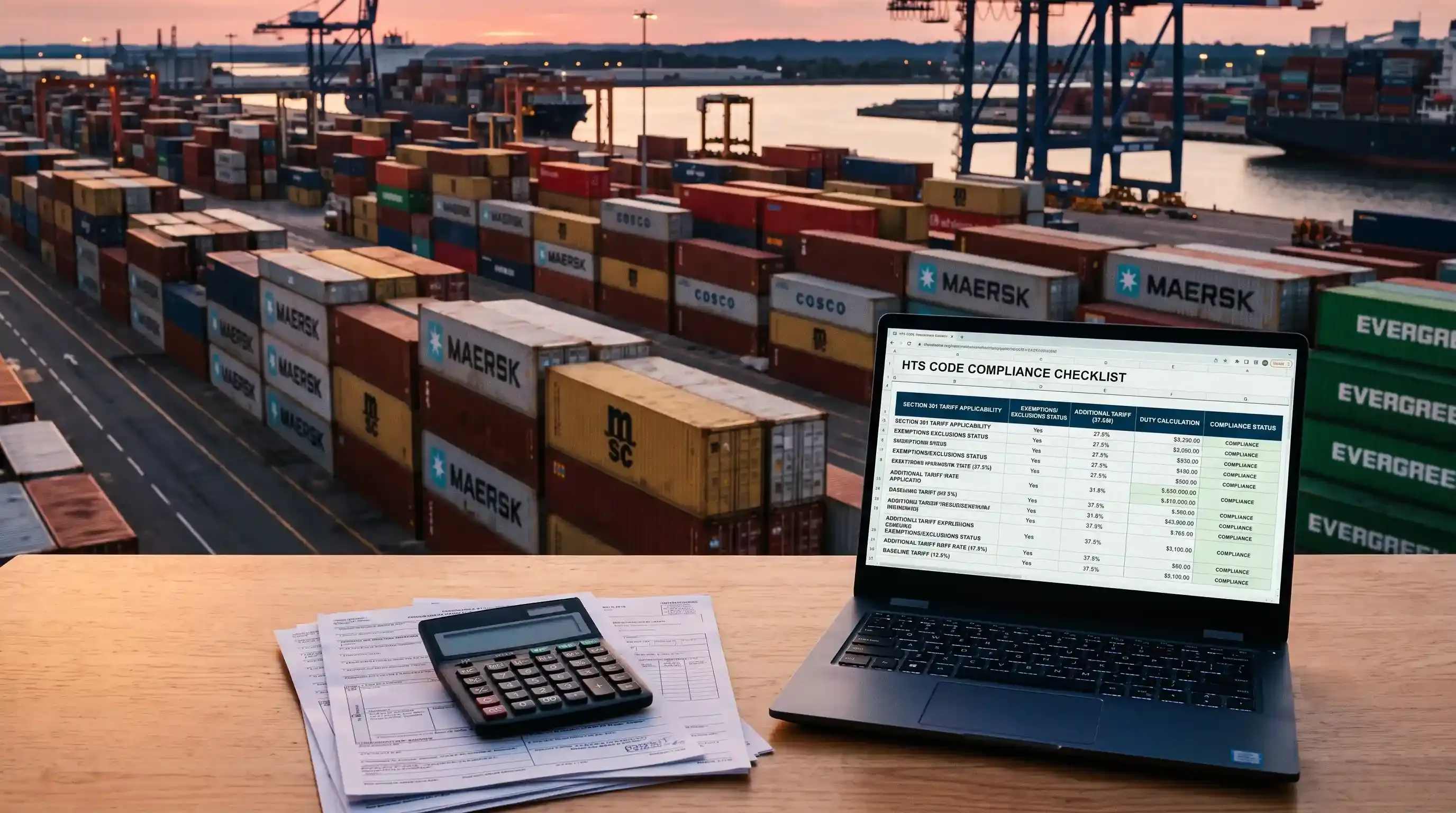
🔍 2. HTS Code Exemption List: Audit Your 10-Digit Classification Line-by-Line
The USTR published a multi-hundred-page Exemption Annex alongside its ruling, excluding specific USMCA-compliant items, pharmaceuticals, critical minerals, and items covered under Section 232.
⚠️ Warning: Do not rely on high-level product titles. A single digit shift in your 10-digit HTS (Harmonized Tariff Schedule) code determines whether your cargo pays 25% or 37.5%.
At B&C Sourcify, we assist US importers by cross-referencing factory Bill-of-Materials (BOM) and HTS codes line-by-line against the official Federal Register Annex to identify legitimate duty exemptions before production runs begin.
📉 3. Re-Calculate Your "Southeast Asia Bypass" Cost Models
For years, many US brands attempted to bypass China tariffs by relocating final assembly to Vietnam, Thailand, or India. The new USTR ruling effectively neutralizes this shortcut:
- China Baseline: 25% + 12.5% = 37.5% Total Section 301 Tariff
- Vietnam / Thailand / India Baseline: 12.5% Total Section 301 Tariff (with no expiration date)
When factoring in higher raw material import costs, lower infrastructure efficiency, and the new 12.5% rate in Southeast Asia, simple "transshipment" models without a complete supply chain overhaul will erode your net margins.
🛠️ 4. How B&C Sourcify Offsets the 12.5% Tariff Increase on the Ground
You cannot control US tariff legislation, but you can control your landed supply chain costs in China. B&C Sourcify deploys 4 ground strategies to counteract tariff increases:
A. Volumetric Packaging & Flat-Pack Compression
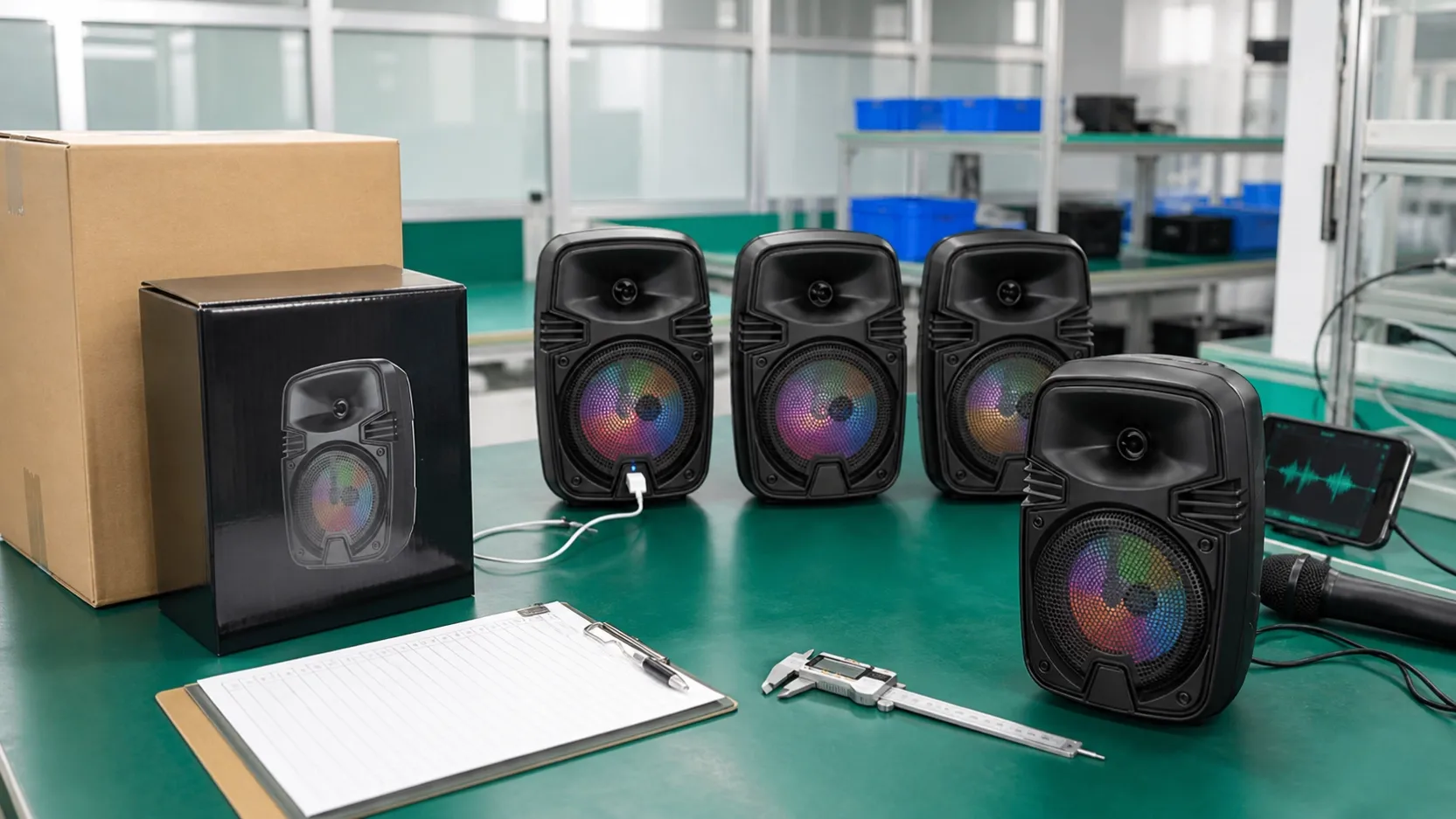
By redesigning inner box layouts and applying hydraulic carton compression at our regional warehouse hubs (Shenzhen, Dongguan, Yiwu, Nanning), we routinely reduce shipment volume (CBM) by 15%–30%. Ocean freight savings directly offset the 12.5% tariff hike.
B. Open-Book Factory FOB Cost Restructuring
Because B&C Sourcify operates on a 100% transparent open-book model (charging a simple 4%–10% management commission scale), we work directly on the factory floor to audit raw material costs and optimize factory FOB quotes—eliminating trading broker markups before tariffs are calculated.
C. Supplier Labor Compliance Audits
Because the new 301 ruling focuses heavily on labor standards, B&C Sourcify conducts background checks via official government databases (GSXT) and perform on-site factory audits to ensure your suppliers meet strict compliance standards, preventing CBP detentions at US ports.
D. Freight Rate Benchmarking & Multi-Supplier Consolidation
We gather cargo from multiple Chinese factories into single 20ft/40ft container loads with 7 Days Free Storage, providing untouched carrier freight benchmarks to slash destination port fees.
📊 Tariff Breakdown & Ground Mitigation Comparison
Cost / Operational Vector | Standard Unmanaged Direct Import | B&C Sourcify Ground Defense Model |
Section 301 Tariff Baseline | 37.5% (25% + 12.5%) | 37.5% (Audited via HTS Exemption Annex) |
Factory FOB Unit Price | Marked-up trading prices (+15-20%) | 100% Open-book direct factory cost |
CBM Volumetric Efficiency | Factory standard packing (Dead air) | Custom flat-pack compression (-15% to -30% CBM) |
Supply Chain Compliance | Unverified factory labor status | GSXT Government & On-Site Compliance Audit |
Out-of-Town Travel Billing | N/A | 100% Actual-cost reimbursement |
❓ Sourcing FAQ (Frequently Asked Questions)
- Q1: Can B&C Sourcify check if my specific products qualify for Section 301 exemptions?
- A: Yes! Send us your product spec sheets and current 10-digit HTS codes, and our team will audit them against the USTR Federal Register Annex.
- Q2: Does B&C Sourcify charge extra fees to audit factory labor compliance?
- A: Basic GSXT government database checks are 100% FREE for active clients. Out-of-town factory visits for physical audits are billed strictly on an actual-cost travel reimbursement basis (实报实销) with full receipt transparency.
- Q3: How does B&C Sourcify help update quotes for US retail buyers?
- A: We provide transparent, itemized cost sheets separating Factory FOB, Tariff Estimates, and Ocean Freight Benchmarks—giving you professional data to justify price adjustments with your end customers.
📥 Protect Your US Supply Chain Margins Today!
Need an immediate HTS code audit or container packaging compression to offset the 37.5% tariff?Contact B&C Sourcify today. Our boots-on-the-ground team in Shenzhen, Dongguan, Yiwu, and Nanning will help you navigate the new US customs reality safely.
- [ Our Promise ]: 100% Open-Book Factory Pricing + Free HTS Exemption Checks + Ground Risk Protection.
[ Form: Name | Email | HTS Code / Product Link ] > 👉 [ Click to Request Your Free Tariff & HTS Audit ]