Jul 14, 2026Sourcing Guides
Factory Audit in China: What to Check Before You Commit
A proper factory audit reveals more than any brochure. This guide covers what to check — equipment, capacity, quality systems, and past performance.
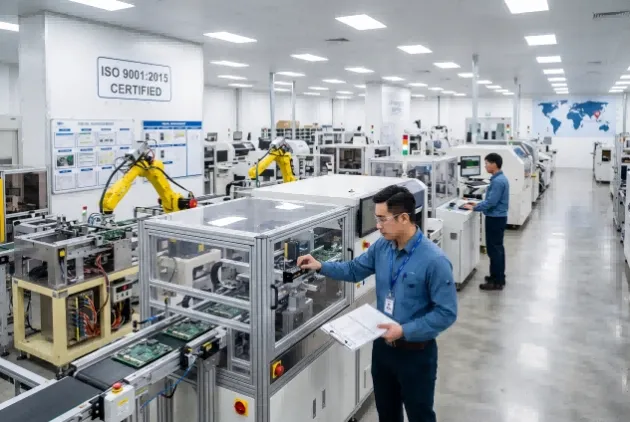
Factory Audit in China: What to Check Before You Commit
You have found a supplier on Alibaba. Their profile looks professional, their pricing is competitive, and their communication is responsive. But how do you know they can actually deliver what they promise?
The answer is a factory audit — and it is the single most important step in the China sourcing process. A proper audit reveals more in one morning than weeks of email exchanges ever will.
This guide covers exactly what to check during a factory audit, whether you visit in person or use a trusted third party like B&C Sourcify.
Why a Factory Audit Matters
Many buyers skip the audit to save time or money. That is a mistake. Here is what an audit uncovers that a profile page cannot:
- Real production capacity: Can they actually make your volume within your timeline?
- Equipment condition: Are the machines capable of your required tolerances?
- Quality culture: Is QC embedded in the process, or just a final checkbox?
- Working conditions: Are labor practices ethical and sustainable?
An audit is not about finding reasons to reject a supplier. It is about understanding their true capability so you can make an informed decision.
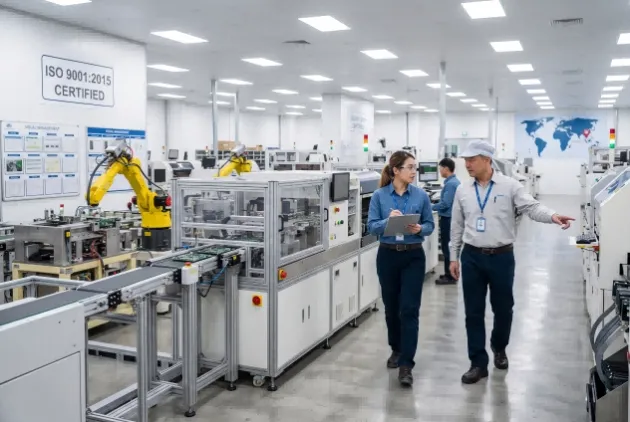
What to Check: The 5 Key Areas
1. Equipment & Production Capability
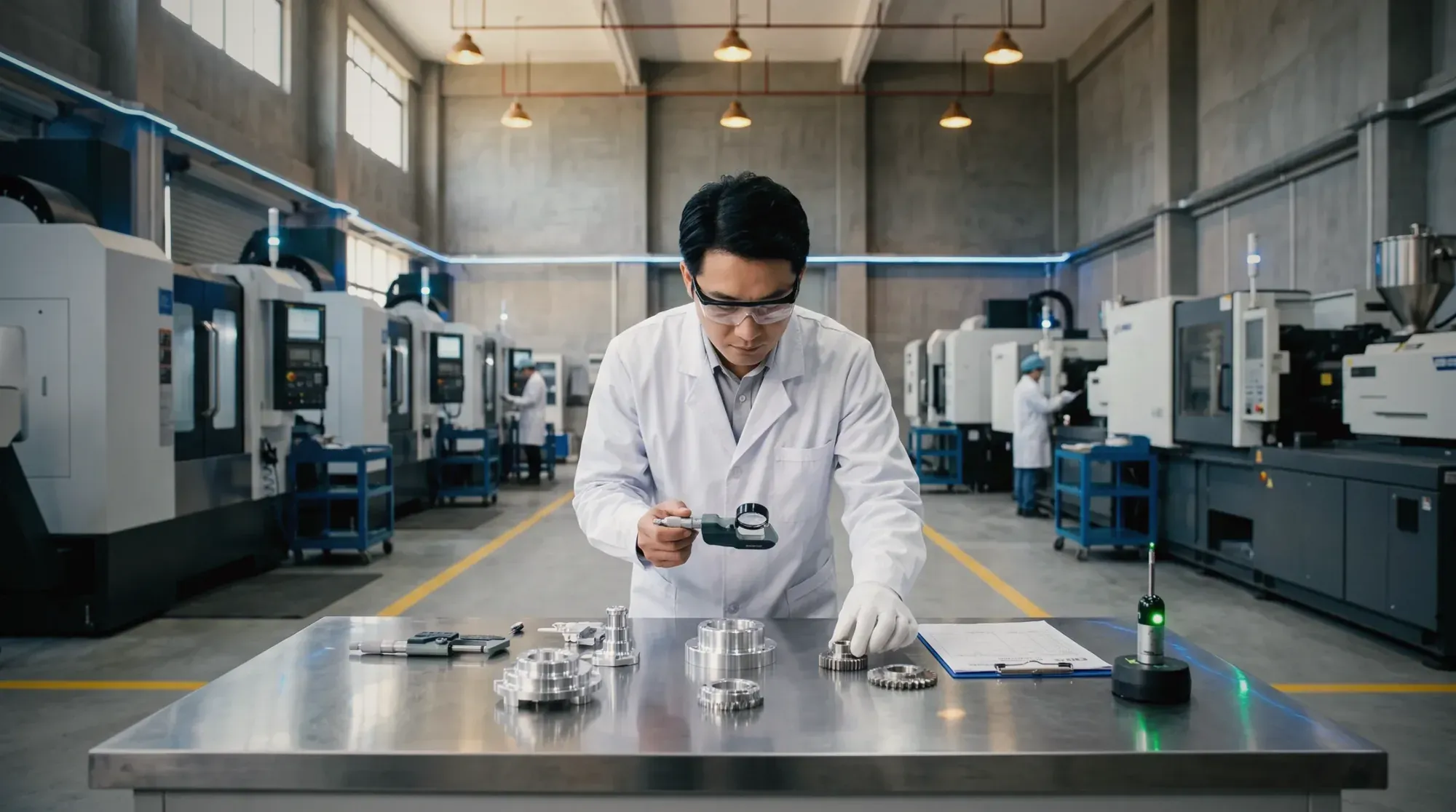
Walk the production floor first. This tells you more than any meeting room presentation.
- Machine inventory: Do they have the equipment required for your product? Check model numbers, age, and maintenance records
- Capacity utilization: Are machines running at 30% or 90%? Both extremes raise questions
- Calibration records: Are measurement tools calibrated with recent dates? Uncalibrated tools mean unreliable quality
- Specialized equipment: If your product requires specific processes (CNC, injection molding, SMT), verify those machines exist and are operational
2. Quality Management System
ISO 9001 certification on the wall is a start. But dig deeper.
- QC team structure: How many QC staff? Where are they placed in the production line?
- In-process inspection: Do they check quality during production, or only at the end?
- Defect tracking: Ask to see their defect log. How do they categorize and resolve issues?
- Testing equipment: Do they have the instruments needed to test your product specifications?
3. Past Performance & References
- Customer list: Who do they currently produce for? Names tell you their quality tier
- Defect rate data: Ask for their actual defect rate over the past 12 months — not the marketing number
- On-time delivery: What percentage of orders shipped on time? Ask for records
- Sample history: Request to see samples from recent production runs, not just the showroom samples
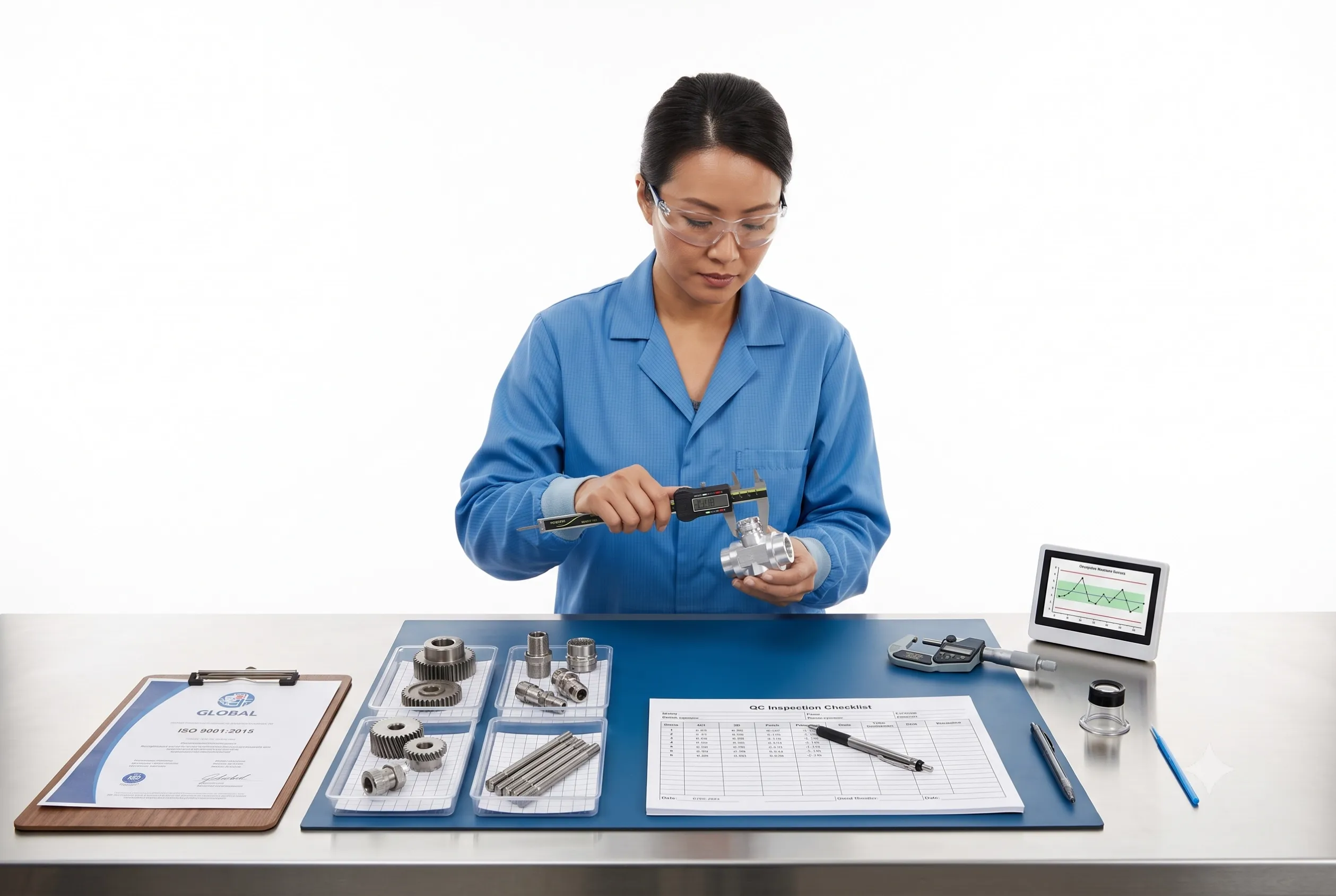
4. Sub-Supplier & Raw Material Control
Many quality issues originate not at the factory you audit, but at their suppliers.
- Raw material sourcing: Where do they buy materials? Are their sub-suppliers qualified?
- Incoming inspection: Do they inspect raw materials before accepting them into inventory?
- Material traceability: Can they trace a finished product back to its raw material batch?
- Alternate suppliers: Do they have backup sources for critical materials?
5. Social Compliance & Working Conditions
Increasingly important for brand reputation and regulatory compliance.
- Working hours: Are overtime records within legal limits?
- Health and safety: Are fire extinguishers accessible? Are emergency exits marked and clear?
- Worker welfare: Are workers provided with protective equipment? Are facilities clean?
- Certifications: BSCI, SA8000, SMETA — if they have them, verify they are current
Red Flags to Watch For
During your audit, these warning signs should prompt deeper investigation:
Red Flag | What It May Indicate |
|---|---|
Factory is much cleaner than their normal production standard | They prepared specifically for your visit — ask to see the rest of the facility |
Key machines are "under maintenance" during your visit | They may not own the equipment they claimed |
Reluctance to share defect data | Defect rates are likely higher than stated |
High staff turnover | Management or financial instability |
Uncalibrated or missing measurement tools | Quality control is not taken seriously |
Audit Options: DIY vs. Third-Party
Option | Cost | Reliability | Time |
|---|---|---|---|
Visit yourself | High (flights, hotel, time) | High if you know manufacturing | 1-2 weeks travel |
Third-party audit | Medium | High with experienced auditors | Scheduled in days |
Video call tour | Low | Medium — limited visibility | Same day |
Many experienced buyers use a combination: a third-party pre-qualification audit first, followed by their own visit for strategic suppliers.
At B&C Sourcify, we provide independent factory audit services through our engineering team. Because we come from a precision manufacturing background, we evaluate factories based on production capability — not just paperwork.
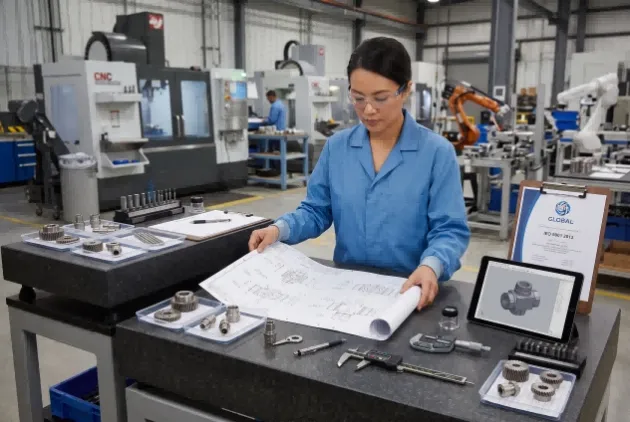
Summary Checklist
Before you commit to a supplier, confirm these items:
- Equipment inventory verified — machines exist and are operational
- Production capacity matches your volume requirements
- Quality management system is active, not just certified
- Customer references checked
- Sub-supplier management in place
- Social compliance meets your standards
- Defect rate data shared and acceptable
- On-time delivery performance recorded
Need a Factory Audit?
Our engineering team has 17+ years of manufacturing experience. We know what to look for because we have been on the other side of the table.
Contact B&C Sourcify to schedule a factory audit. We cover Shenzhen, Dongguan, Guangzhou, and the Pearl River Delta — with partner auditors available nationwide.