Jul 8, 2026Sourcing Guides
How to Source Products from China in 2026: A Complete Guide for Importers
Sourcing from China in 2026? Supplier research, factory audits, QC, and shipping. Build a reliable supply chain.
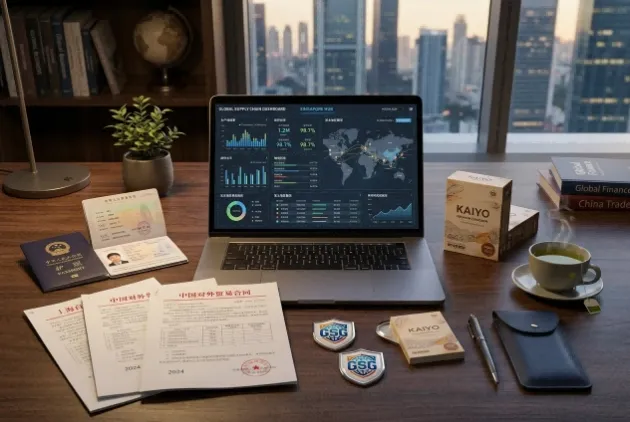
How to Source Products from China in 2026: A Complete Guide for Importers
Sourcing from China in 2026 remains one of the most effective ways to bring products to market at competitive prices. But the days of simply emailing a factory on Alibaba and hoping for the best are over. Tariff changes, supply chain disruptions, and rising quality expectations have raised the bar for successful importing.
Whether you are a first-time importer or an experienced buyer looking to optimize your supply chain, this guide walks you through every step of sourcing from China — from supplier
research to final delivery.
Step 1: Define Your Product Requirements
Before contacting any supplier, you need a clear product specification. The more detail you provide, the more accurate your quotes will be.
- Detailed specifications: Materials, dimensions, tolerances, colors, packaging requirements
- Target price: Be realistic — the cheapest quote is rarely the best value
- Quantity: Estimated monthly or annual volume affects unit pricing significantly
- Certifications needed: CE, FCC, UL, FDA, RoHS — know what your target market requires
- Timeline: When do you need samples? Production completed? Delivered?
Having a clear specification sheet before you start sourcing saves weeks of back-and-forth and prevents costly misunderstandings.
Step 2: Find the Right Supplier
China has thousands of manufacturers, but finding the right one requires more than a Google search. Here are the most effective channels:
Online B2B Platforms
Alibaba, Made-in-China, and Global Sources remain the primary directories. Look for verified suppliers with Gold Supplier or Assessed Supplier status, and always check their
transaction history and customer reviews.
Trade Shows
Canton Fair (Guangzhou), CES (Shenzhen), and industry-specific exhibitions let you meet suppliers face-to-face, inspect products, and compare capabilities in person.
Sourcing Agents
A professional China sourcing agent like B&C Sourcify brings pre-vetted supplier networks, factory audit experience, and negotiating power that individual buyers cannot
match — often resulting in better pricing and fewer quality issues.
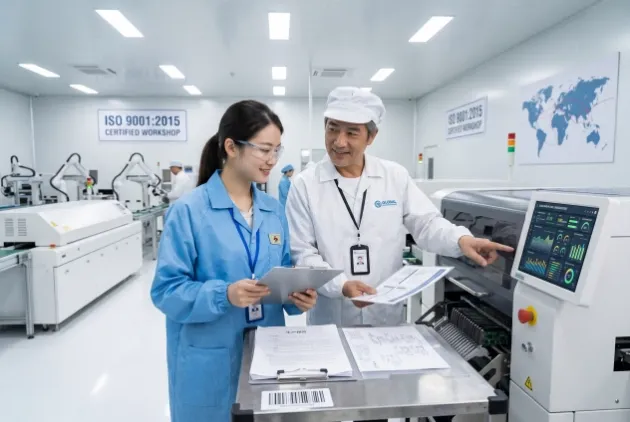
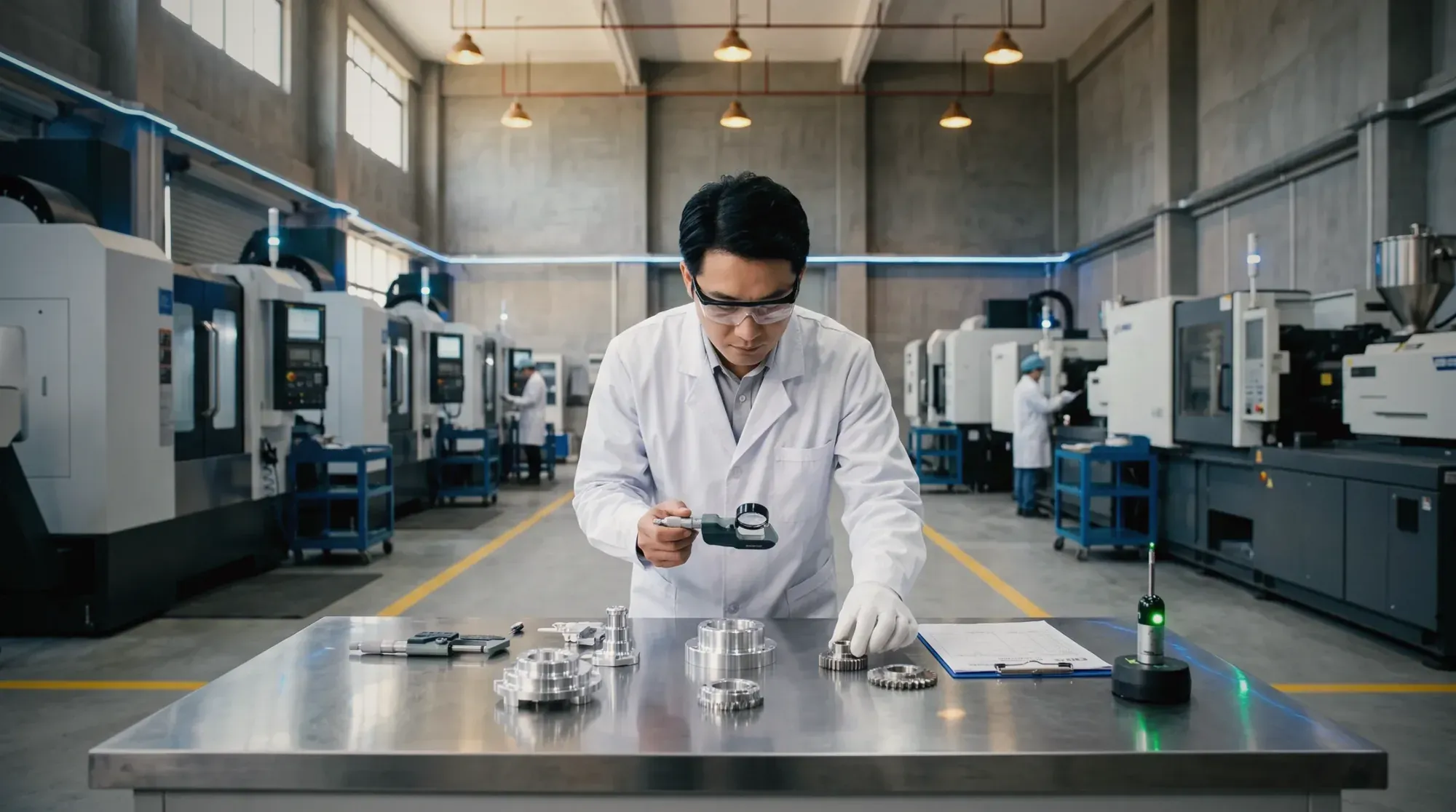
On-site factory audit: verifying equipment, processes, and quality systems before production begins.
Step 3: Conduct a Factory Audit
A factory audit is the single most important step in the sourcing process. Visiting the factory — or having a trusted third party do it — reveals more than any brochure ever will.
What to Check During a Factory Audit
- Equipment inventory: Do they have the machines needed for your product? Are they well-maintained?
- Production capacity: Can they handle your order volume within your timeline?
- Quality management system: Do they have ISO 9001 or similar? Is there a dedicated QC team?
- Past performance: Ask for customer references and defect rate data
- Sub-supplier management: Do they control their raw material sources?
Step 4: Negotiate Pricing and Terms
Negotiation in China is expected — but how you negotiate matters more than how much you push for lower prices.
- Focus on total cost, not unit price: A lower unit price often means higher defect rates or hidden fees
- Understand MOQ components: Is MOQ driven by raw material minimums, mold costs, or line setup?
- Payment terms: Standard 30% deposit, 70% before shipment. T/T common; L/C for larger orders
- Incoterms: FOB most common, EXW if you have your own forwarder, or CIF
Step 5: Quality Control
Quality control is not a single inspection at the end — it should happen throughout the production process.
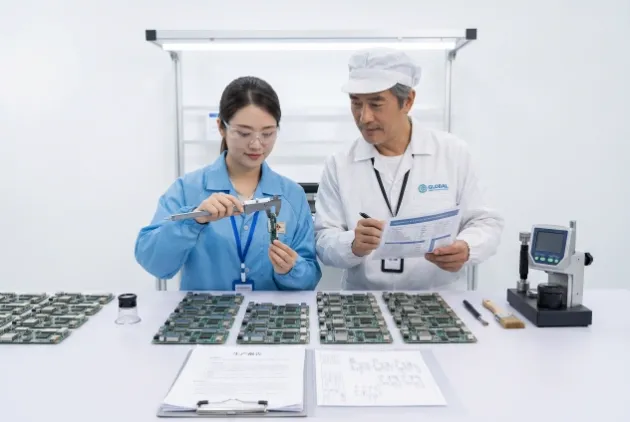
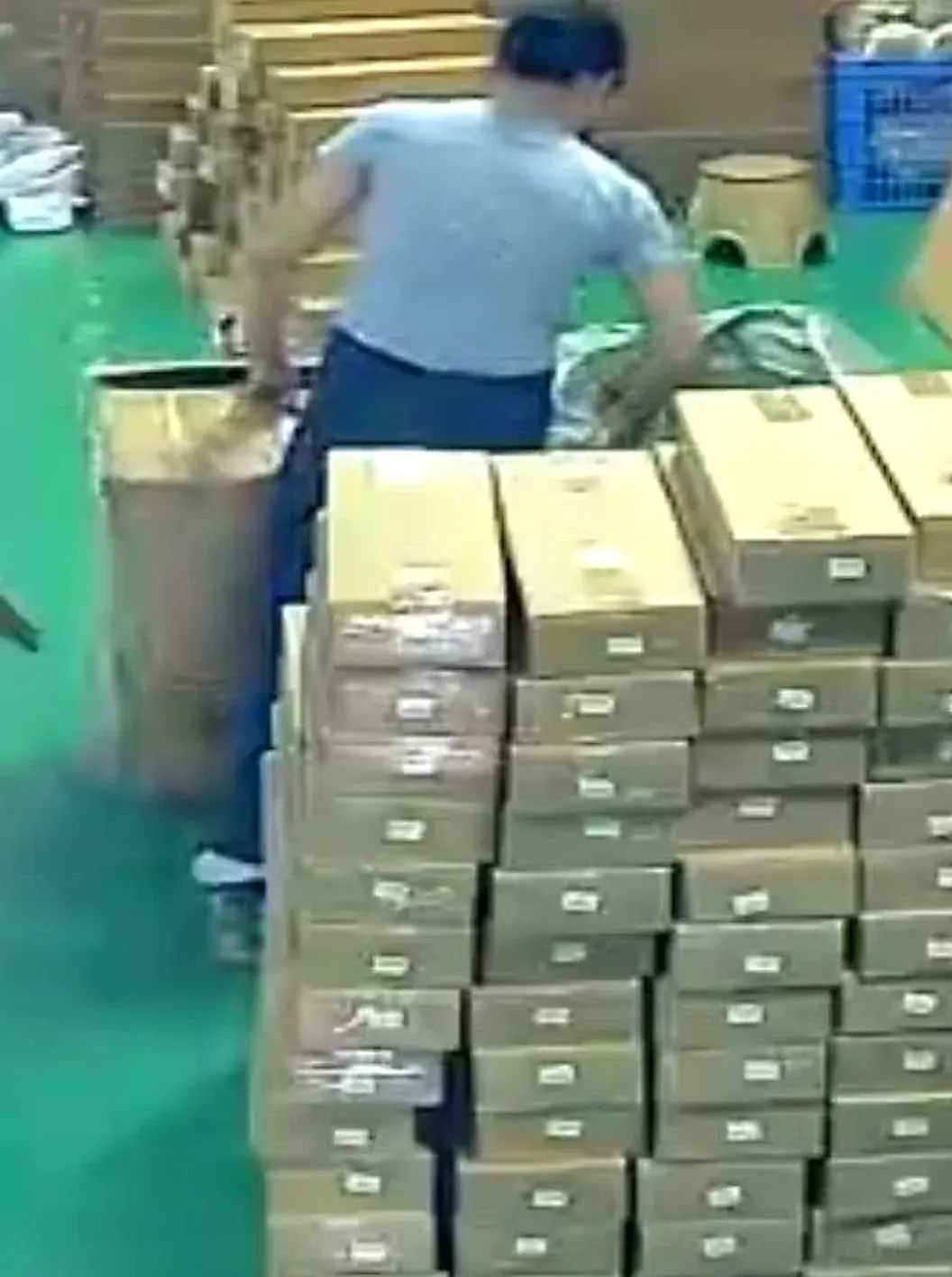
During-production inspection: catching issues early reduces rework and delays.
Three Critical QC Stages
- Pre-Production: Raw material inspection and first article approval
- During Production: In-line checks at critical manufacturing stages
- Pre-Shipment Inspection: Final random inspection per AQL 2.5 or your specified standard
At B&C Sourcify, our quality control process is rooted in industrial manufacturing standards — the same discipline we apply to precision molds and automotive components is applied to
every product we source.
Step 6: Shipping and Logistics
Getting your products from the factory to your warehouse involves several decisions:
- Sea freight (FCL/LCL): Most cost-effective for larger volumes. 15-35 days to US/Europe
- Air freight: Faster but more expensive. 5-10 days. Best for high-value goods
- Express (DHL, FedEx, UPS): Door-to-door in 3-7 days. Ideal for samples and small shipments
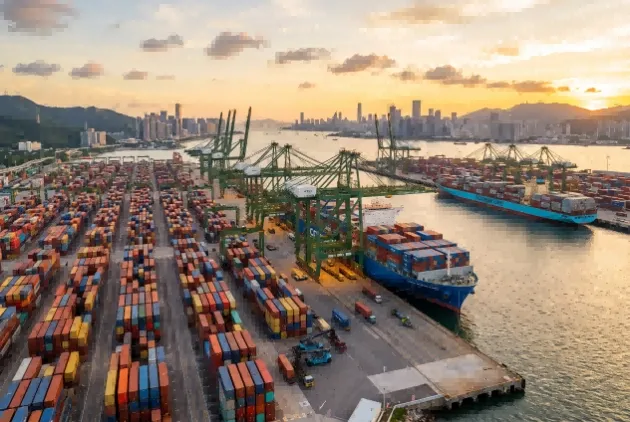
Shenzhen's Yantian Port — one of the world's busiest container ports, serving over 200 global destinations.
Why Work with a China Sourcing Partner?
Managing all six steps above independently is possible — but it demands significant time, travel, and expertise. A professional China sourcing agent brings:
- Pre-vetted supplier network: Factories we have audited and worked with for years
- Engineering expertise: We evaluate manufacturing capability, not just price
- Quality control infrastructure: Independent inspectors, not factory QC teams
- Logistics management: From factory to your door, one point of contact
- Problem resolution: When issues arise, we solve them at the source
At B&C Sourcify, our approach combines 17+ years of precision manufacturing expertise with modern supply chain management. We don't just find factories — we understand what happens
inside them.
Ready to Start Sourcing?
Whether you have a detailed specification or just an idea, our team can help you navigate China's manufacturing ecosystem with confidence.
Contact B&C Sourcify for a free consultation on your sourcing project. We typically respond within 24 hours.