Oct 23, 2026Sourcing Guides
Peak Season Fulfillment Checklist: The Decisions Behind a Calm Q4
Peak season is a coordination problem before it is a volume problem. The decisions that keep a store shipping: what flies, where stock sits, what gets frozen, how cut-offs hold, who decides.
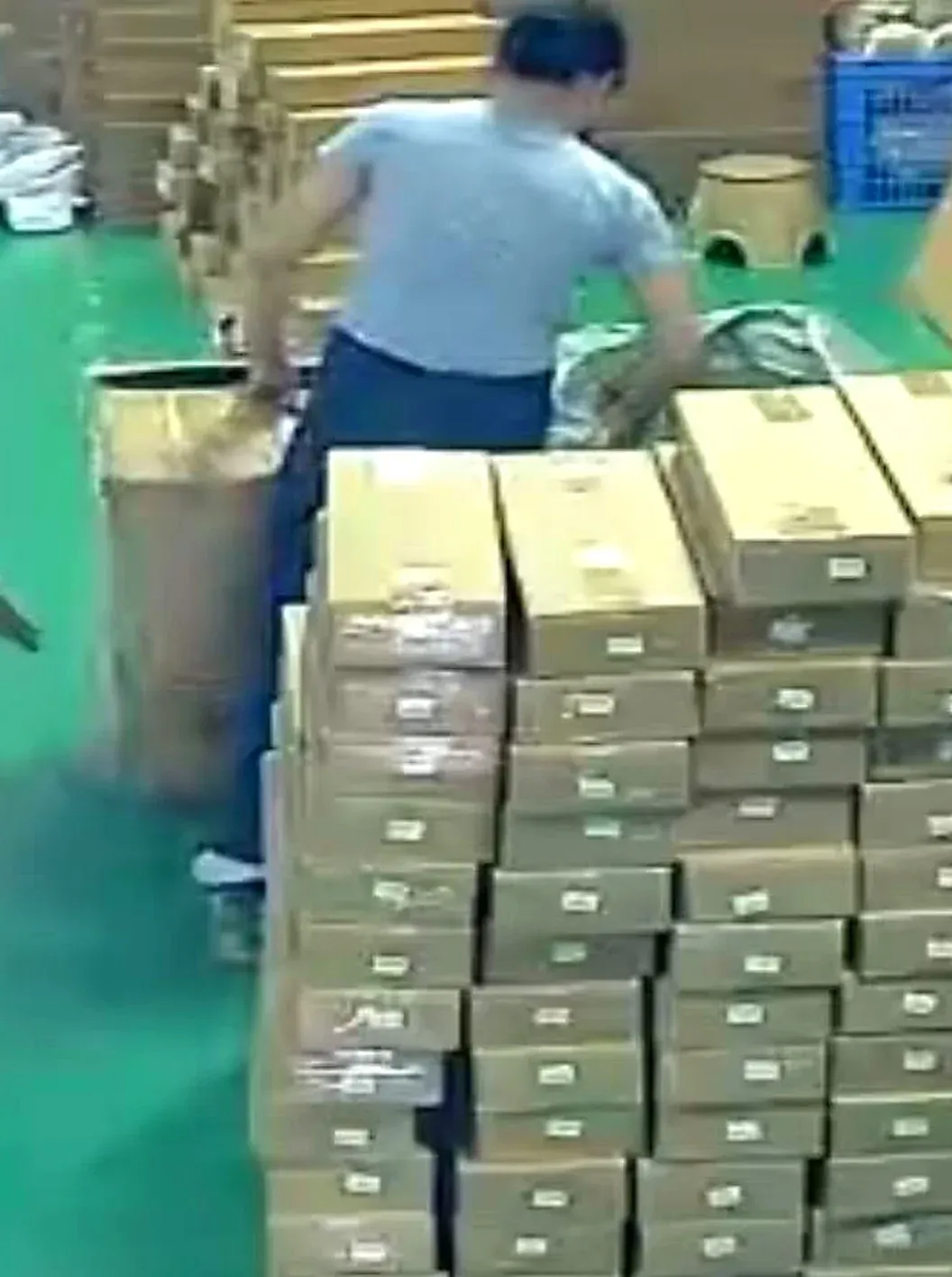
Peak season does not fail in one dramatic moment. It fails in a series of handoffs nobody owns: the SKU that lands after its slot, the label version that changed mid-run, the pickup call everyone assumed someone else would make. By the time the problem appears in a tracking number, the decision behind it is weeks old.
This piece is about those decisions. What flies and what floats. Where stock sits. What gets frozen. How a cut-off is set. How much returns capacity to hold. Who can say stop. We run consumer fulfillment from China, covering prep for marketplace inbound, DTC fulfillment and single-piece direct dispatch, and we work with stores already selling 5+ orders a day, not with stores that have not opened or are still testing products.
Decide What Ships by Air Before You Decide What to Reorder
Replenishment for a peak season is a ranking, not one reorder, and the ranking decides what reaches the warehouse first. We sort every SKU on the same reads: how it sold last season, how it is moving now, what is already in transit, how long the supplier needs to replace it, what the unit margin can absorb, how many variants sit under one listing, and how often it comes back. None of those reads is a forecast. Together they show which SKUs have earned a place in the season.
Each SKU then gets one of four destinations. Sea replenishment for the volume that has time. Air replenishment for the few that do not. Sell what is on hand and stop. Clear the tail and do not reorder. The last two are decisions, not failures. A SKU you stop buying frees cash and shelf space for one that earns them. Put the four destinations on one page with the SKU names beside them.
Air is the expensive lane, so we use air only in a narrow case: the cost of being out of stock is higher than the air premium, and the margin can carry it. A new SKU with no sales history does not fly. Neither does a variant with no steady week behind it. Air buys time, and time has a price the margin has to cover.
Arrival order follows the order in which SKUs are expected to start selling, not the supplier's convenience. A late container of a slow SKU must not block the cartons that go on sale first, so the receiving schedule is built around that order. Each inbound unit is checked before it enters sellable stock. What happens to a unit after it reaches the receiving bench is a different piece.
Three Places Stock Can Sit, and the SKUs That Should Sit in One
Stock can sit in three kinds of place, and each one asks a different question of the SKU that lives there.
The China main warehouse is the pool. It holds the long tail, the variant depth, and units you may still move between channels. It is the most flexible place, and the least fast.
A destination forward warehouse is closer to the buyer. It shortens the last leg, but only for a SKU with a reliable velocity signal and a written replenishment rule. Slow stock there pays for speed it cannot use.
A marketplace warehouse is the least flexible of the three in our reading. Stock that enters it is a commitment: prep before it moves, a shipping plan that matches the receiving window, and a decision about what happens if the season runs short. Pulling cartons back out is its own project.
Every layer adds a handoff, a safety stock and a reconciliation, so a second stocking point is a cost the SKU has to earn back, not a default sign of a mature operation.
The SKUs that should sit in one place share a profile: high value, low velocity, fragile, many variants, demand that moves, or a real chance of being reallocated mid-season. Keep those at the most flexible point and accept the slower last leg. A second point is earned by steady sellers with reliable replenishment and a delivery promise shoppers check.
One record has to follow the SKU across every location. If the counts disagree between two points, the season will find the gap and widen it. Draw the layer map before the first reorder: which SKU sits where, which point may hold it, and which record everyone reads.
Our own operation runs from four China warehouse nodes, in Shenzhen and Dongguan, plus Yiwu and Nanning. The warehouse work behind these layers is set out at (/b2c-fulfillment). How one stock pool serves several sales channels is a routing question, not a peak question.
Freeze the Pack, Then Pre-Build It
Packaging is a version, and a peak season can carry only one live version at a time. Before the window opens, we freeze six things in writing: the pack artwork, the label data, the pack configuration, the card or insert copy, the product code carried on the pack, and the outer-carton identification. Everyone who touches a carton works from that list. If a seventh change is still open, it is not frozen.
A change is allowed only with three answers: how many units of the old version remain, where the switch happens, and where the old stock is isolated. Without those, two versions travel at once. A customer asks which pack they received, and no one can answer from the record.
Pre-packing is narrower than it looks. We pre-build only SKUs that sell fast, carry a simple configuration, and hold a stable version. Pre-packs consume space and cash, so a slow variant that may be reallocated later should stay flat until demand is real.
Consumables get the same treatment. Bags, cards, labels, tape, cartons and fill are ordered against the forecast, plus a buffer with a name on it. It is a number someone owns and can explain. A missing bag can stop a line while the product sits ready.
We do not change a pack mid-season for a better-looking version. We pack and label in-house, and a mid-season switch still costs mixed batches, a support queue, and a reconciliation problem that outlives the season. The bench work that turns a carton into a shippable unit is a different job.
Capacity, Pickups, and a Cut-Off You Can Actually Hold
Carrier capacity is a conversation to finish before the calendar fills. For each lane, we confirm the pickup frequency, the volume one pickup can take, the last pickup of the day, what happens when a truck is full or late, and which backup carrier can move the same cartons. A backup named during the bad week is not a backup. It is a phone that goes unanswered.
Then the cut-off. There are two: the one you promise the customer and the one the warehouse can hold. The internal cut-off is earlier, and the gap between them is the buffer. The floor works to the internal rule; the customer sees the later time. Set both to the same point and every late carton becomes a customer conversation.
After the internal cut-off, an order rolls to the next pickup. Expediting exists, but it needs a named approver and a reason, and it cannot become the normal path. If everything is urgent, the cut-off is a suggestion.
Labor follows the cut-off, not the calendar. The packing bench peaks before a pickup. Receiving peaks when a container lands. Those are two crews at two different moments, and scheduling them on top of each other is how a warehouse looks busy while orders age.
Orders leave on the dispatch rhythm the store sets. That rhythm is yours to define, and it is the one we plan the bench around. Write the cut-off rule on one page: the internal time, the customer-facing time, who can override, and what happens to an order that misses both.
Whether a partner can hold capacity is a question for selection; this piece begins after that choice.
The Returns Wave Arrives After the Sales Wave
The returns wave does not arrive with the sales wave. It arrives after it. Parcels come back along a curve that trails the sales curve, and the work lands on the team that finished the busiest stretch of the year. Treating returns as an after-sales tail is how a post-season backlog gets built during the season.
Capacity is a number you set before the parcels arrive. For the peak window, decide how many units the returns bench can process in a day, where the overflow goes when that number is passed, and which units get handled first. Without those three answers, the queue decides, and the queue picks the loudest parcel.
Materials and labor belong in the same plan. Returns consume the same bags, labels and cards as outbound, so the buffer you set for packing has to cover the return leg. The people who process returns also need to be scheduled past the sales peak, including the time and materials to return a unit to stock. We plan the amount, not the sequence.
Some returns can go back to sellable stock quickly. Some wait for a part. Some should be held until the season is over. Decide the order in advance, because a bench that stops to debate each parcel falls behind. Put the numbers on a returns capacity sheet: daily volume, overflow space, and the order of work.
Unprocessed returns are frozen inventory. They cannot be sold, they take up space, and they hold cash the next buy needs. Returns are received and processed at our China hub. How a parcel is received and returned to stock has its own account (/knowledge-hub/handle-b2c-product-returns-restocking-china-warehouse). What happens once a returned unit leaves the receiving bench is a separate decision.
A Daily Number, a Weekly Review, and One Person Who Decides
Pick one fixed point in the day and one format for the daily number. The set we use is short: orders in, orders out, backlog, open exceptions, returns received, and stock alerts. Exceptions cover short picks, receiving exceptions, address failures and missed pickups. The point is a shared number two teams read the same way before anyone starts explaining.
The weekly review has a different job. It reads SKU-level stock coverage, inbound arrival estimates, consumables left, the returns backlog and next week's promotion plan. Then it makes decisions. A review where everyone is informed and nothing changes is a status call with a calendar entry.
Each side needs one named owner and one named backup. An escalation path with no name on it is a group chat. Write the triggers down before the season: backlog above the daily plan, a missed pickup, a stock count that does not match, a pack change, a carrier that stops moving. For each trigger, name who gets called first, second and last.
Decision rights are where many teams stay vague. Someone has to be allowed to pause a promotion, approve air or an expedite, approve a substitute material, change a cut-off, and stop a shipment. If any of those needs a committee during the peak week, it will not happen in time. Write the five rights on one page with a name beside each.
Every exception should end with a next step and an owner. If it ends with a status update, expect the same item again. We control the receiving schedule, the bench plan, the records and the escalations we answer. You control the forecast, the pack versions, the promotions and the orders you release. Neither side can promise a season without a bad week. The decision-rights map is how a bad week stays small.
Map the Season You Are Planning For
Tell us what you are planning for (/contact-us). The SKU list you carry now, the order volume you run, the markets you ship to, and the peak plan as it stands. We come back with a readiness review for that account: where stock should sit, what to freeze, how the cut-off rules should read, what returns capacity you need, and who decides when a number slips.