Jul 14, 2026Sourcing Guides
Quality Control in China: Why Industrial Manufacturing DNA Beats a Checklist
Most QC in China is checkbox-based. Real quality comes from understanding how products are made. Here is why manufacturing DNA matters more than any inspection checklist.
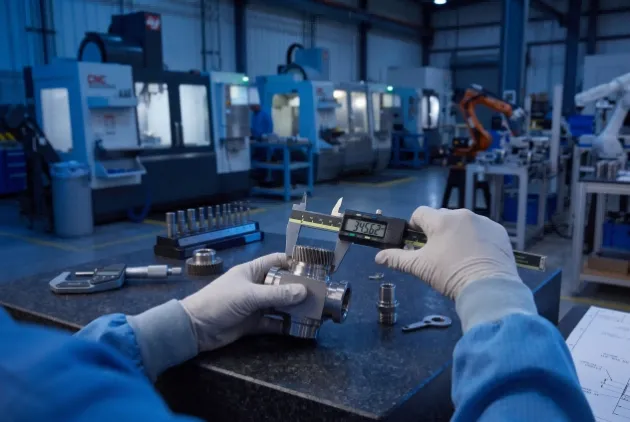
Quality Control in China: Why Industrial Manufacturing DNA Beats a Checklist
Every sourcing agent in China offers "quality control." Most of them follow the same process: hire a third-party inspection company, send them to the factory with a checklist, and hope the report tells you everything you need to know.
But here is the problem: a checklist can only catch what you thought to look for.
Real quality control comes from understanding how products are actually made — the materials, the processes, the tolerances, and the failure modes that only someone with manufacturing
experience would recognize.
At B&C Sourcify, our approach to QC is different. Because we come from 30+ years of precision mold manufacturing, we don't just check boxes — we read production lines.
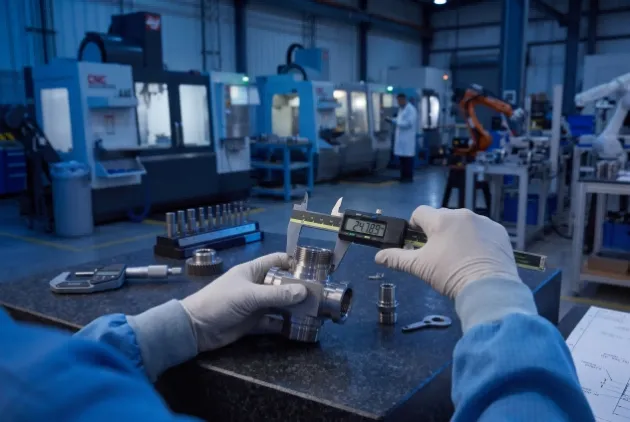
The Problem with Checklist-Only QC
Third-party inspection companies provide a valuable service. But their limitations are important to understand:
What Checklists Miss
- Process drift: A machine that was in spec last month may have drifted. Checklists only capture a moment in time
- Hidden defects: A product that passes visual inspection may have internal flaws that only process knowledge can predict
- Root causes: A checklist tells you a part is out of spec. It does not tell you why — material batch, tool wear, or operator error
- Context: Is a 3% defect rate acceptable for your product category? A checklist cannot answer that question
The Real Cost of Poor QC
When quality issues are caught after shipment, the cost multiplies:
- Return shipping and restocking fees
- Lost sales from delayed market entry
- Brand damage from customer complaints
- Rework costs that eat your margin
The B&C Sourcify Difference: Three QC Principles
Principle 1: Process Monitoring, Not Just Final Inspection
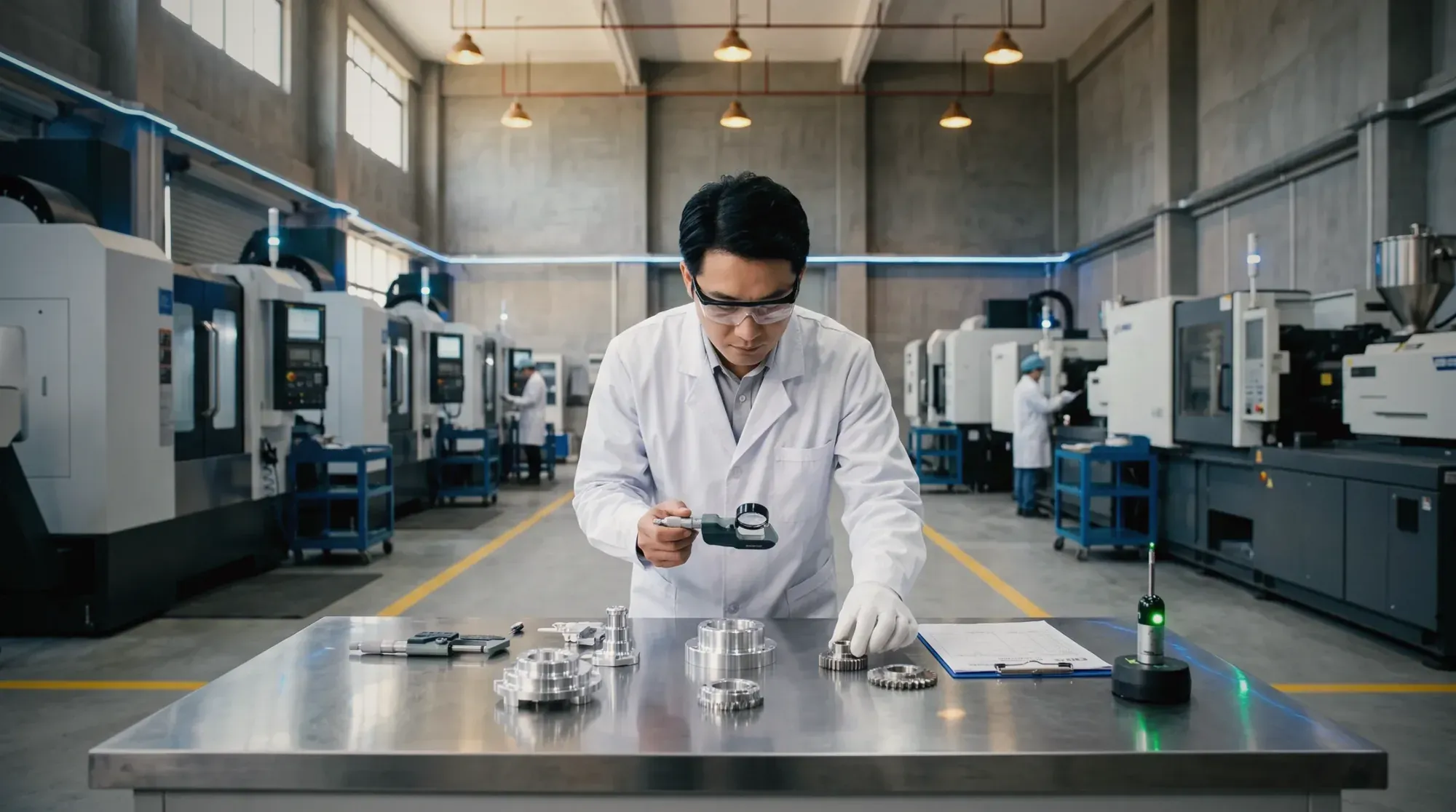
In precision mold manufacturing, you never wait until the tool is finished to check quality. You inspect every machining step — roughing, semi-finishing, heat treatment, finishing, EDM, polishing — because catching an error early saves days of rework.
We apply the same principle to product sourcing:
- Raw material inspection before production starts
- First article inspection on the first production run
- In-process checks at critical manufacturing stages
- Final random inspection per AQL 2.5
Each stage catches different types of defects. Together, they form a quality net that catches issues before they become shipment problems.
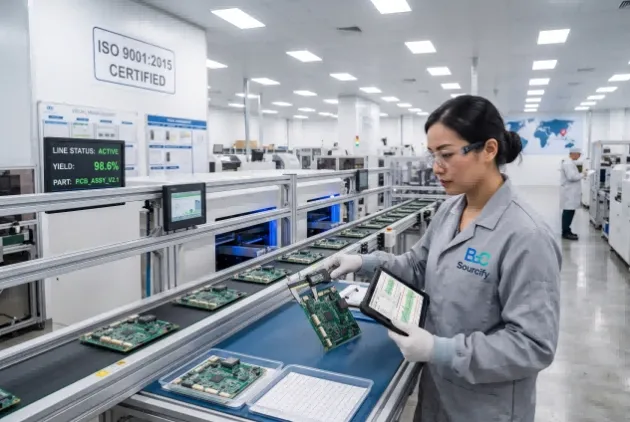
Principle 2: Root-Cause Problem Solving
When most QC companies find a defect, they document it and move on. The factory is left to figure out why it happened — and they may not tell you the real reason.
Our engineering team traces defects to their root cause:
- Is it a material issue? We check the batch certificate and run material verification
- Is it a tooling issue? We inspect mold or die condition
- Is it a process issue? We review machine parameters and operator logs
- Is it a design issue? We flag features that are inherently difficult to manufacture
This is not theoretical. Our founder Alex spent 30 years on the factory floor solving exactly these problems. That experience translates into fewer defects, fewer disputes, and fewer
delays for our clients.
Principle 3: Spec-First Sourcing
Most sourcing starts with price: "What can you make for this budget?" We start with the specification: "What does the engineering drawing require?"
This shift changes everything about how factories are selected and how quality is measured:
- Before production: We review your specs against factory capability. If tolerances are too tight for their equipment, we flag it before tooling starts
- During production: We measure against the spec, not against "acceptable" — because acceptable today may not be acceptable at volume
- After production: We document actual measurements, not just pass/fail results
What Our QC Process Looks Like
Every order follows a structured quality plan tailored to the product category:
Stage | What We Check | How We Check |
|---|---|---|
Pre-Production | Raw materials, component specs, first article | Material certs, dimensional report, sample approval |
In-Production | Critical dimensions, assembly fit, function | Random sampling at defined intervals, process parameter review |
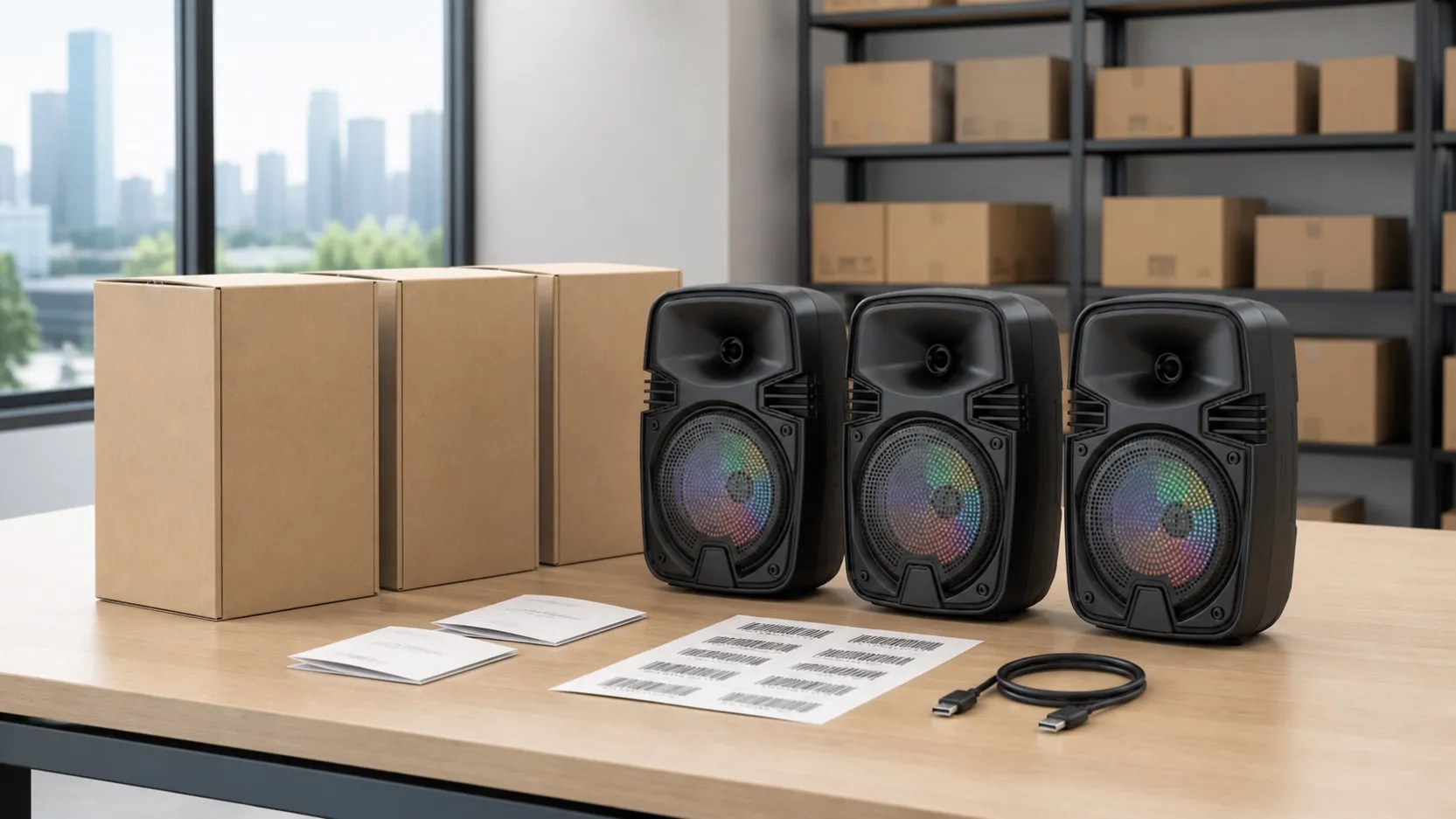
Pre-Shipment | Final product, packaging, labeling | AQL 2.5 random inspection, drop test, label verification |
Documentation | Test reports, photos, COA | Digital report package delivered with shipment |
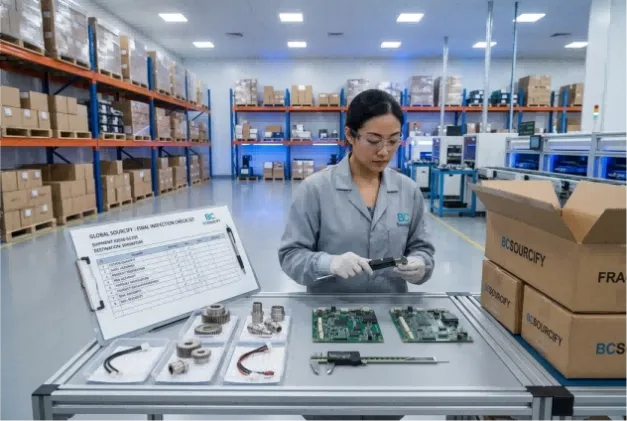
Quality by the Numbers
Our approach produces measurable results across every product category we source:
- < 0.8% defect rate across all shipments (industry average for sourcing agents: 3-5%)
- 95%+ on-time delivery for scheduled production
- Zero litigation in 10+ years of cross-border transactions
- 100% shipment photo documentation — you see what we see
Why Manufacturing Heritage Matters
Most quality control providers know how to fill out checklists. We know how to read a production line.
When Alex walks into a factory, he reads the floor the way a mechanic reads an engine:
- Is material handling organized, or chaotic?
- Are machines running at their rated specifications?
- Do operators look trained and attentive?
- Is temperature and humidity controlled where it matters?
- Are maintenance logs current and accurate?
These are things you cannot learn from a textbook. They come from 30 years of being on the manufacturing side of the table. And they make the difference between a QC report that checks
boxes and a quality process that actually protects your brand.
Need Quality Control for Your China Sourcing?
Whether you are sourcing injection molded components, consumer electronics, or industrial equipment — our QC process applies the same engineering-grade standards to every product.