Oct 30, 2026Sourcing Guides
Small Factory, Deep Certification: A Beauty-Device Plant Visit
Dozens of workers, five lines, 118 patents and certifications. Inside a specialist beauty-device plant, the file is a map, not a trophy, and the limits matter as much as the depth.
On a factory day in Bao'an, the first stop was a plant with five production lines and a workforce in the dozens. It makes beauty devices and nothing else: facial devices and masks. The file behind it runs to 118 patents and certifications, which is a lot of paper for a plant this size. The gap between the small floor and the deep file is the subject of this piece.
Paper is not proof. We came as a sourcing agent, not as an auditor. Our interest was narrower than a compliance review and more practical: whether the papers matched the work on the floor, and what a buyer should check before trusting either one.
Size Is Not the Same as Capability
Buyers use headcount as a shortcut for capability, because it is the one number a website always gives. In beauty devices, the shortcut misleads. What matters is who designs the board, who writes the test, who owns the fixture and who signs the sample.
This plant runs five lines with a workforce in the dozens. Inside that payroll sit twelve QC staff, six hardware engineers and five electronics engineers. That is twenty-three people whose job is to make the product repeatable, and it is a heavy bench for a plant of this size. The plant also counts 118 patents and certifications, and 115 long-term customers. Both are its own numbers. The 118 is a tally across several kinds of paper, not a grade. The 115 is a retention signal, not evidence that your model will run well.
What we ask to see is not another certificate. We ask for the test bench for the model in question, the fixture that holds it, and the record of the last failed unit. A plant that can produce all three is describing a process. A plant that can only produce the certificate is describing a purchase. A trading company can hold the same papers. The bench is what separates the two.
What separates a small plant from a large one is shape. A plant with an engineering bench this large relative to its workforce can iterate on a housing, chase a noise problem and rewrite a test in the same week. It is unlikely to double its output in a month. The questions that reveal the shape are plain. Who owns the gauge for my model? Which engineer answers a failure found at inspection? How many units does one line finish in a shift? Ask those before you ask for a catalog.
Capability has a shape. Headcount is the wrong ruler.
The Certification File Is a Map, Not a Trophy
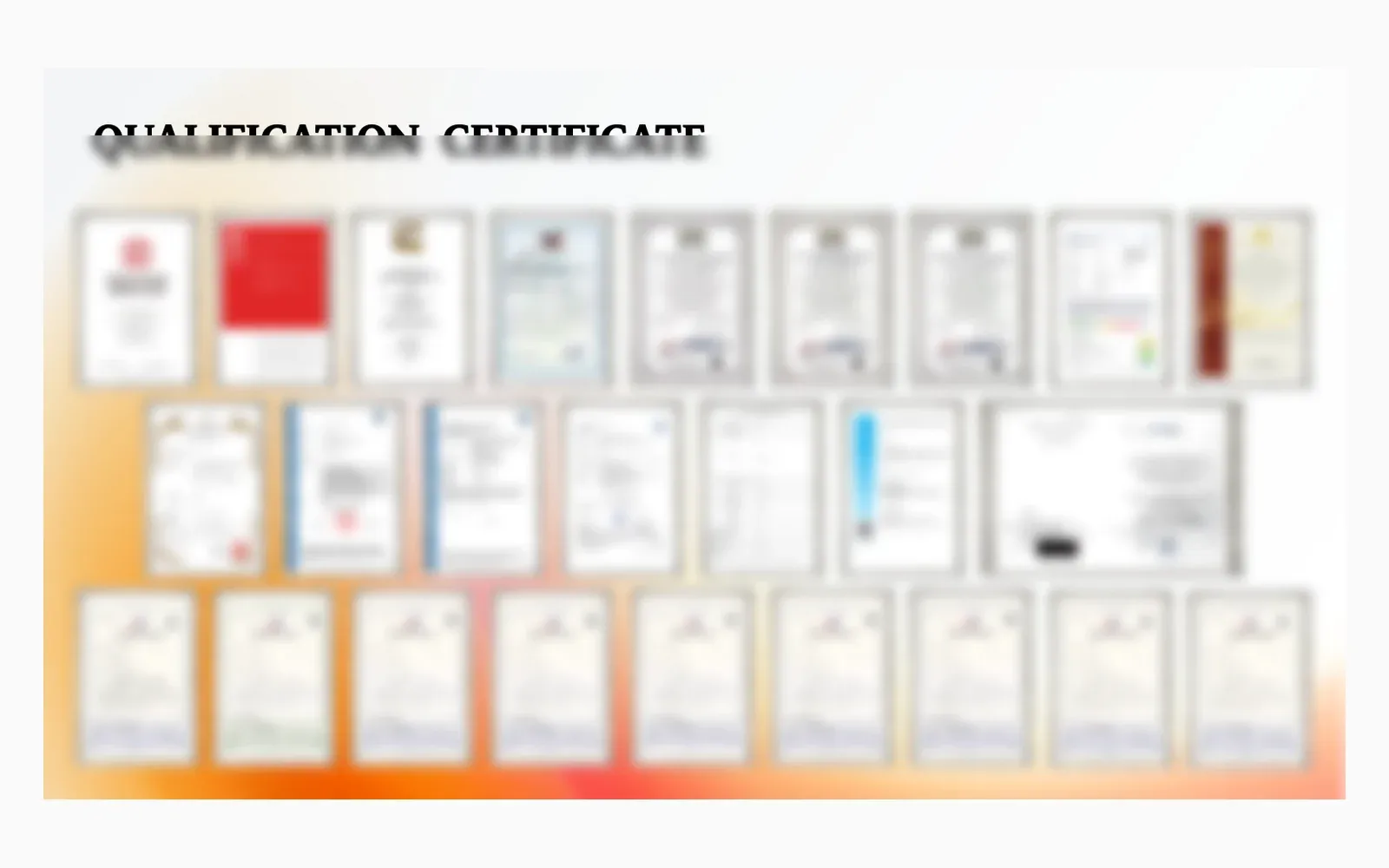
A certificate on a wall is the least useful version of the file. The useful version is a folder of documents, and it holds at least five kinds that answer five different questions. Reading it well starts with sorting, not counting.
The management system certificates come first: ISO 9001 for quality, ISO 14001 for environment, ISO 45001 for occupational health and safety. They describe how the site is run. Their value sits in the scope page, the site address, the issuing body and the expiry date. None of them approves a product.
The BSCI report is a social compliance audit, not a quality document. It carries a date and a rating, and the date matters as much as the rating. A report from three years ago describes a plant that may no longer exist in the same form.
The FDA paper is a regulatory document, and it needs three questions before it means anything. Which route does it belong to? Which models does it name? Who holds it, the plant or a customer? A cover page with FDA on it answers none of those.
The design awards are a different species. Japan's G-Mark, Germany's iF and Taiwan's Golden Pin Design Award say something real about design investment and market orientation. They say nothing about safety, performance or the rules of your market.
Patents form the fifth pile, listed across China, the EU, the US, the UK and Japan. Ask which are granted and which are pending, which are invention patents and which are design registrations, and who owns each one. A patent protects its owner. It does not clear your product for sale, and it does not transfer with your purchase order.
We sort the file into those five piles, and the stack becomes readable. A certificate is not a product approval. A file is a map.
Product Focus Shows in the Line
A plant that makes only beauty devices makes different choices from one that makes everything. The difference shows at the station. The stations here are set up for facial devices and masks, and the work repeats in a rhythm a diversified plant rarely finds. The operators handle the same contact surface all day, which is how a cosmetic standard becomes a habit rather than a note on a wall.
Five lines, one product family. That focus buys depth. The same failure modes return often enough for the plant to build opinions around them: a housing that will not sit flush, a seal that survives the first cleaning and fails after a few weeks, a charge port that collects residue. None of those opinions binds the plant, and all of them are worth hearing before you finalize a drawing.
Focus also has a cost. A narrow plant has a narrow order book, and one large customer or one seasonal peak can pull capacity away from a smaller program. We ask what else runs on the line booked for you, how long a changeover takes, and whether your model runs in the same setup every time. Ask which tests every unit gets and which are sampled. The answers tell you how much of the focus is engineering and how much is habit. That is the trade: depth in one family, thin cover outside it.
Focus is visible at the station.
What Japanese Technical Guidance Changes
The plant says its line works under Japanese technical guidance. That sentence is worth unpacking, because it can mean several things and only some of them matter to a buyer in Europe.
At its strongest, guidance of that kind shapes drawing discipline. Tolerances get called instead of guessed. Cosmetic criteria get written down. A deviation gets recorded and approved rather than absorbed by an operator. A plant that has worked to Japanese expectations often keeps a build record that can be read, with the revision, the station and the sign-off in the same place.
At its weakest, the guidance is a design review that happened once, on one model, years ago. The habits may survive on the line. The documents may not.
Documentation is also leverage. A buyer who receives the change log can compare the next batch against a decision, not a memory.
So we test the artifacts with questions, not the story. Who provides the guidance? Is it a resident engineer, a periodic review or a set of drawings? Which models does it cover? Who signs a deviation from the Japanese standard? Does the guidance cover the line that will run my order, or a different one? Does the Japanese version of the product differ from mine in voltage, labeling or packaging?
Ask for the trail: a signed drawing, a build sheet, a change log, a training record. For a buyer, the practical gain is a decision trail, meaning what changed, when, and who approved it. Guidance leaves documents. If it left none, you are hearing a story about a story.
What a Small Plant Cannot Do
The limits are easier to name than the strengths. A plant with five lines and dozens of workers has a throughput ceiling, and a large program can consume it. Ask whether a second shift exists for a surge. Component leverage is thinner: a smaller buyer at the plant's suppliers waits longer when a chip or a cell runs short. Vertical integration is usually partial at this size. A plant this size usually buys molds, boards and cells from others, which makes the tooling owner and the sub-tier supplier questions, not assumptions.
The site is single. One fire, one flood, one failed audit or one key engineer leaving can move a schedule. Certificates are site-specific, so a second workshop is not covered by the paper on the wall. Engineering bandwidth is shared: eleven engineers cover the plant's programs, and your project joins a queue. A small plant often carries less inventory, so a component shortage becomes your schedule problem sooner than it would at a larger supplier.
None of this disqualifies the plant. It sets the order size, the calendar and the backup plan. A first order that fits the line is a better test than a large order that strains it. We ask what happens if the line goes down in the week your goods are due, and listen for a name and a date rather than a promise.
Small has a ceiling.
What to Verify Before a First Order
Verification starts with the site. The certificate scope should name the address you visited, the products should fall inside the scope, and the dates should be current. Ask for the audit report summary, not the framed certificate, and read what the auditor actually checked.
Then the regulatory paper. For the US, ask which FDA route the document belongs to, which models it names and who holds it. For the EU, the UK and Japan, ask which file covers your configuration and who signs the label. A plant can hold a document for one model and sell you another. The paper does not travel automatically.
Then the line. Which line will run your order, how many units per shift, what else is booked on it in the same month, and which components have long lead times. Ask for the test every unit receives and the test that is sampled. Ask where the golden sample will be sealed, and make sure the sealed reference is held by your agent and the plant.
Then the intellectual property. Get the patent list with jurisdiction, status and owner. Check whether the design you are buying depends on a patent the plant licenses rather than owns. A clearance search is your counsel's work, not the factory's, and an award on a wall is not a clearance.
Then the claims. Beauty devices sit close to medical language, and the line between the two is drawn by the market, not the brochure. The label, the manual and the listing should say what the file supports and nothing more. If a claim cannot be traced to a test, it does not belong on the box.
Ask for the report, not the frame. The ground work behind this list, from records to loading, sits on the sourcing overview (/b2b-sourcing). The papers are the start. The first order is where they meet the line.
Send the Product and the Market
Send the product and the market you need it for (/contact-us). Tell us the model, the destination and the channel, and we will read the plant's file against all three: which certificates cover the model, which regulatory paper covers the market, which line is assigned, and which questions remain open. We do not certify anything. We read the file the way a buyer should, and we say where it stops.
When a visit is needed, we stand on the line with the same list in hand and compare the file with the floor. The visit is not a formality. It is where the file gets tested against the line, one question at a time. B2B orders begin at USD 10,000 yearly. A small plant can be the right supplier. The file is how you find out.
Dore Technology Co., Ltd. invoices each order.