Sep 16, 2026Sourcing Guides
Sourcing the Next Smart Toy Hit: Engineering, Compliance, and QC Behind the Bionic Leash-Walking Robotic Dog
A deep dive into sourcing and manufacturing the Bionic Leash-Walking Robotic Dog: engineering mechanics, battery compliance, and ground QC benchmarks to avoid costly retail returns.
Smart toys and robotic companions continue to claim prime real estate across Amazon, TikTok Shop, and specialty retail channels. However, transitioning from basic RC toys to interactive consumer robotics creates complex engineering, safety, and supply chain hurdles for cross-border brands.
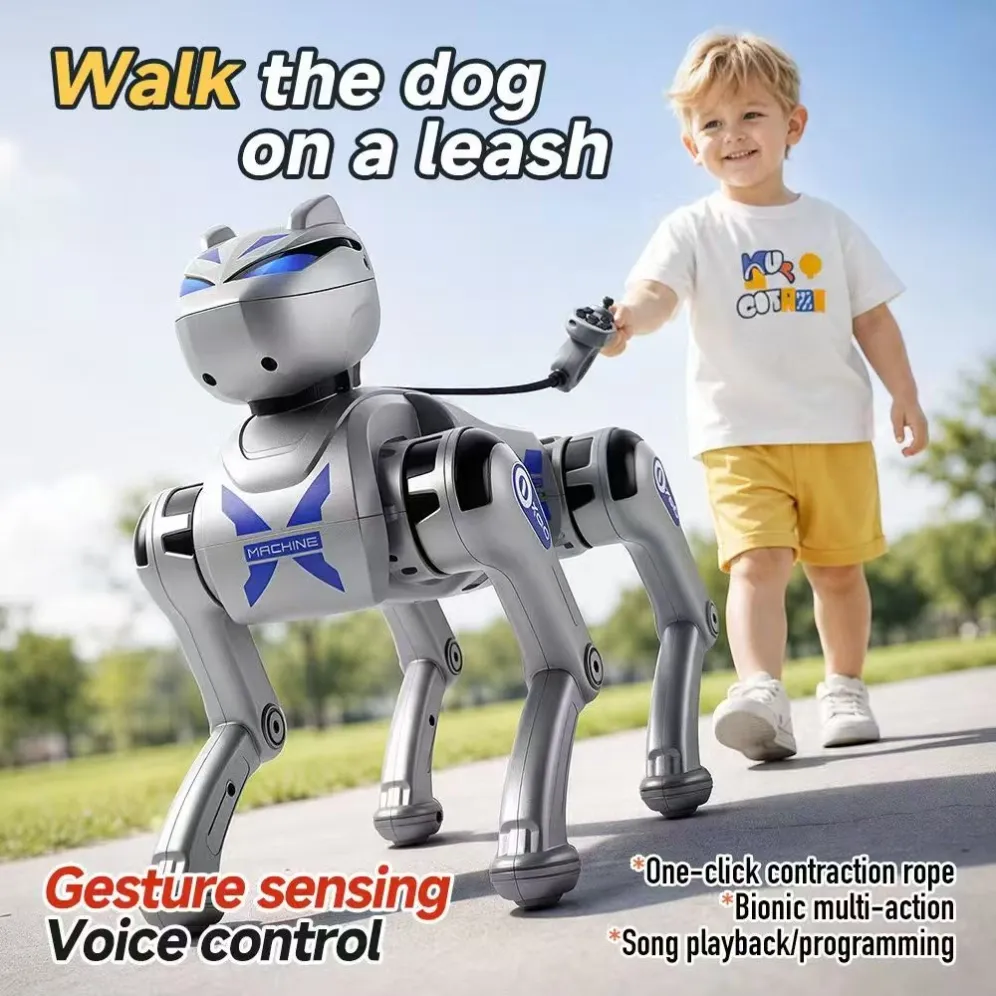
Our team in South China recently audited and inspected the latest generation of the Bionic Interactive Leash-Walking Robotic Pet (Model: BC-BOT-09). Here is an operational breakdown of its commercial viability, engineering features, and pre-shipment quality benchmarks.
The Commercial Innovation: The "Leash Walking" Experience Mostrobotic pets on the market are confined to tabletop stunts or small indoor floor spaces. This model bridges robotics with classic outdoor pet play:
- One-Click Contraction Retractable Leash: Features an integrated mechanical tether that connects to the dog's collar, allowing children to physically "walk" the bionic dog outdoors with realistic resistance.
- True Quadruped Bionic Gait: Independent multi-joint servos replicate fluid animal walking patterns, turning, backward motion, and sitting postures across pavement and indoor surfaces.
- Dual-Mode Interactive Sensing: Combines 2.4GHz anti-interference joystick steering, front-facing infrared gesture control, and responsive voice/sound recognition.
- Modular Rechargeable Power (DC 3.7V): Eliminates disposable alkaline battery overhead with a clip-in detachable battery pack and direct USB charging on both the pet and the remote.
Technical & Packaging Specifications
- Drive Mechanism: Multi-axis articulated joint servos with rubberized grip footpads.
- Control Frequency: 2.4G low-latency remote + body-mounted gesture sensors.
- Battery Architecture: Modular lithium-ion pack (detachable) with integrated charging circuitry.
- Packaging Optimization: Internal high-density thermoformed blister trays to prevent servo deflection and limb stress during international sea and air transit.
Ground QC: How We Mitigate Electronics & Motor Failure Risks Consumer robotics run a high return rate if factory QC is lax. At our Shenzhen inspection desk, every production batch goes through strict physical testing before carton sealing:
- Servo Endurance & Gear-Slip Check: Continuous 15-minute operational burn-in test to identify gear skipping, motor heating, or limb misalignment.
- Gesture & 2.4G Frequency Pairing: Verification of sensor range, zero signal crossover across multiple units, and responsive hand-wave triggers.
- Drop & Joint Stress Integrity: ISTA-standard drop testing of master cartons to ensure structural limb integrity and leash-joint resilience.
- Battery & Export Compliance: Verification of UN38.3, MSDS, CE/FCC, and RoHS documentation for seamless export clearance and battery transport compliance.
Planning to bring interactive robotics into your Q3/Q4 holiday catalog? Reach out to B&C Sourcify to receive audited factory cost sheets, sample units, and ground QC protocols.