Oct 22, 2026Sourcing Guides
Sourcing Vending Machines from China: What to Check Before the First Unit Ships
A vending machine quote from China covers hardware. The first unit also has to fit your site, clear your payment provider, carry your planogram and run on the spare parts you can actually get.
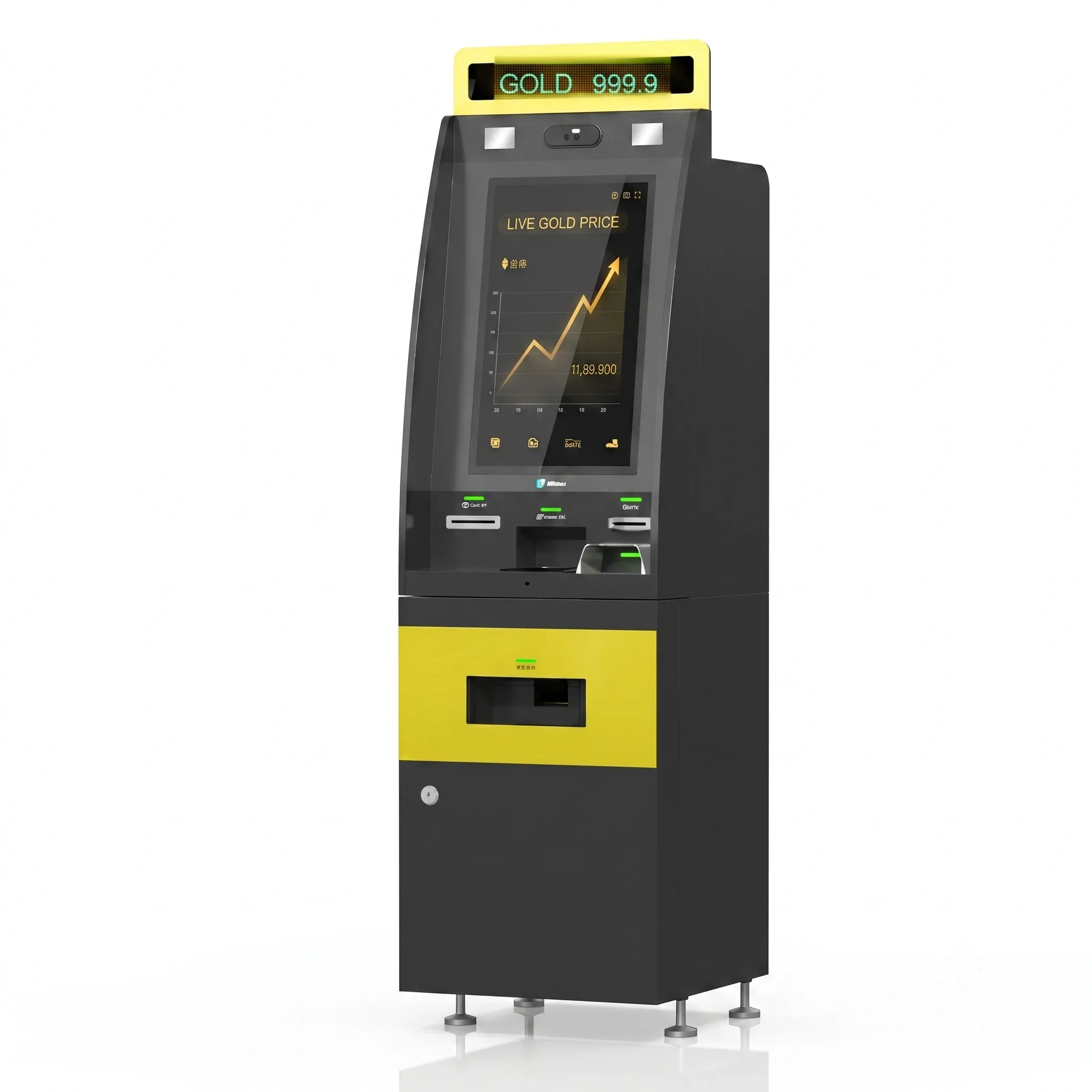
The machine in the quote has not met your site, your payment provider or your planogram yet. That meeting is what the first unit is for. A vending machine order also tests a doorway, a settlement chain, a product path, a spare parts shelf and a loading record.
B&C Sourcify is the brand, our team works from Shenzhen, and the company grew out of a family metalworking business with decades of mold work behind it. We have sourced and checked complex commercial machines at the factory gate, ATM units and ice cream machines among them. We do not build vending machines. Our work is on the sourcing and factory-gate side: supplier checks, inspection and loading. The checks below follow one unit from the site sheet to the loading record.
Match the Machine to the Site You Already Run
The machine comes after the site, not before it. Four formats cover this guide: snack, beverage, combo and fresh food. The format follows from the site you have. A doorway and the turn into the position set the largest box that can arrive. Floor loading, the power drop, the network point, ambient conditions, customer flow and service access decide the rest. Service access decides how a route day starts, so put the unloading spot and the trolley path on the same sheet. Write those down before you open a catalog, because a supplier can only answer the site you describe. The site sheet should travel with the quote request, so every supplier answers the same facts.
A combo machine is not two machines pushed into one cabinet. It changes the door layout, the mix of product paths behind the glass, and the way a route driver opens and services the unit. Ask for two drawings for any format you shortlist: a footprint drawing and a door clearance drawing. Compare both against the path the machine will travel from the loading point to its position, around corners and through the service door.
Floor capacity and the power drop belong to your building contractor and your electrician. Our part is to make sure the supplier's drawing matches the site facts you hand over. A machine that fits the catalog and not the doorway is a problem before it is an asset.
The Cabinet and Door Are the First Physical Check
Start at the door. Check that the door is square, then swing it full and watch the hinge line for play. A door that drops at the far edge will fight the gasket for the rest of its service life. Run a strip of paper around the gasket line and pull it at several points; the drag should feel even. Look at the glass edges for chips, the lock for alignment, the leveling feet for travel, and the panel seams for an even gap. Coating and insulation get the same walk-around. Then trace where condensation will go, because water with no path finds the product instead.
Our background runs through sheet metal, injection molds and circuit board assembly, so the cabinet and the door are parts we know how to read. The cabinet is also the part every service visit opens. A route driver opens it to fill, a technician to repair, and a door that does not seal makes the cooling work harder between visits. That cost shows up as damaged stock and complaints, not on the quote.
Refrigeration is the one part we do not rebuild in this piece. Ask the supplier for the refrigeration file and the service plan for your market, and let your local technician confirm the site conditions. Our ice cream machine guide shows how we read the cooling side of a commercial machine at the factory (/knowledge-hub/source-commercial-ice-cream-machines-china).
The acceptance reference stays the approved sample plus the purchase order.
Payment and Telemetry: Test the Chain, Not the Terminal
The terminal is the part you can see. The chain behind it decides the first month. A card reader that lights up proves power, not settlement. Trace the payment route from the terminal to the controller, from the controller to the payment provider, and from there to the account that receives the money. Ask who owns the merchant account, where the funds settle, what the receipt shows, and which currencies and languages the screen offers. Then ask what happens at each edge: an approved sale, a declined card, a refund, an offline sale, and a sale attempted while the network is down. If your provider has not worked with this controller before, ask who owns the integration.
Telemetry has its own chain. The machine reports to a platform, the platform raises an alert, and someone acts on it. Ask who owns the data, whether it exports or has an API, and whether the software is a subscription or a perpetual license. Ask how firmware updates arrive, who can change a price or a planogram remotely, and how an alert reaches the route. The connection bill needs an owner too.
Test the chain with your own provider account or a sandbox, not a factory demo. Run a real sale, then a decline, then a refund. Pull the network and see what the machine does. Compare the serial number on the test unit with the events on the telemetry screen. If the two records disagree, the chain is not ready for your fleet. A chain that only works in the factory showroom has not been tested.
Ask for a merchant account confirmation and a telemetry export before you sign. The questions are boring. The answers decide whether the first month runs or leaks.
The Product Path: Planogram, Sensors and Jams
A machine loaded with the factory's demo snacks proves only that it can sell those snacks. Your mix is the test. The product path starts with the format behind the glass: a coil, a shelf, or a mix of both. Each one holds a different envelope of height, width and weight, and each one drops the product from a different height. Ask what the sensor sees at the moment of delivery, and what the machine does when it sees nothing.
Load your own planogram before you trust a layout. Send sample packs, or the exact dimensions and weights your products run, and ask the supplier to build the layout around them. Load a full planogram, not one channel, and run every channel at least once. Test the edge of the envelope: the tallest pack, the heaviest pack, the one with the softest corner. Run the test with the packaging your product actually ships in, not a bare sample. Test a jam from the customer side and time how long a refund or a recovery takes. Then walk the restock path, because a layout that fills cleanly in a video can still fight a route driver at the start of a route day.
Ask for the planogram file, the channel map and the process for changing either one. The planogram file should name every channel, so a change can be mapped before it is loaded. Ask what the layout holds at your mix, not at the demo mix. A layout you cannot edit is a layout you will live with. If your mix changes with the season, ask whether the machine lets you follow it.
The Electrical File and the Spare Parts List
An electrical file is not a manual page. It is the record of how this unit was built. Ask for the drawing or schematic, the circuit schedule, the plug type, the voltage build for your market, plus the power budget. Add the heat and noise figures, the network drop, and the floor loading the unit puts on the slab. The file has to match the serial number and configuration of the unit you are buying. A generic template that covers a family of machines tells you nothing about yours.
Site conditions stay with your side. Your electrician or local service provider confirms whether the position can take the machine, and we do not give installation or regulatory conclusions. What we do is compare the file against the order and the site sheet, and flag a mismatch before the unit is packed.
The spare parts list is a service plan, not an accessory list. Start with the parts that wear: coils or shelf pushers, motors, sensors, locks, glass, gaskets, the control board and the payment module. Ask whether each one is a module swap or a board-level repair, because the answer decides who can fix it and how long the machine sits. Ask for the error code list and the firmware path, so a fault can be read and a fix can be loaded. Warranty terms belong on the same page, with the parts shipping question answered: who pays to move a replacement, and who installs it. The list should name the part, not just the assembly it sits in. Local service and training close the list.
If the supplier cannot name the wear parts, the error codes and the firmware route, the machine has no service story yet.
The Factory Test and the Loading Record
Factory testing starts with the serial number. The unit on the video has to be the unit on the purchase order, not a sister machine from the same batch. Ask for a cold boot from a unit that has been off and unplugged, then the door and gasket check, then repeated vend cycles on every channel, loaded with your planogram. The payment chain gets the same run: an approval, a decline, a refund and an offline sale. The telemetry screen should show the events as they happen. Packing comes last, and it is part of the test. Ask who signs the test record, and keep a copy with the machine.
The serial number is what makes the video evidence. Ask for an unedited recording or a live call, with the serial plate readable and the whole sequence in one take. A highlight reel proves that someone can edit.
Loading has its own record. Carton condition, marks and count come first. Then the way each unit is fixed inside the container, the protection on glass and corners, the container's state, and the seal number written down. Photographs belong in the file, not in a chat thread that scrolls away. A loading record without photographs is a claim, not evidence. A mixed load raises its own counting question against a standard program, and that policy is kept separate.
The document pack should travel with the machine: the serial number list, the test record by serial number, the photo and video set, the packing list, the electrical file, the telemetry handover and the spare parts list. What follows a test that does not clear is a separate decision, written on its own. The supplier checks and the loading gate behind an order are set out on our sourcing page (/b2b-sourcing).
Your Current Fleet Is the Test Case
Your fleet is the test case. Show us the model you run now, the failures that keep coming back on it, and the quote behind the next unit or the next batch (/contact-us). We map the checks that model needs, from the site and the cabinet to the payment chain, the planogram, the spare parts list and the service plan behind it, and we check the supplier behind the quote. We take on B2B work from USD 10,000 in yearly purchases, and Dore Technology Co., Ltd. is the company behind the contract.