Oct 28, 2026Sourcing Guides
Supplier Audit vs Product Inspection: What Each Can and Cannot Catch
Two reports, one inbox. An audit reads whether the supplier deserves a deposit; an inspection reads whether the lot can be received. What each can catch, and what neither proves.
Two reports arrive in the same week, each with a cover page, photos and a supplier name. They look like two versions of one document. They are not. A supplier audit reads the company. A product inspection reads the batch. One asks whether this counterparty deserves a deposit. The second asks if this lot can be received. Buyers who treat the two as interchangeable usually meet the difference at the worst moment, when one report is clean and the question the other report would have answered was never asked. Our team works for buyers sourcing from China, and our method keeps the two apart. Both documents have their uses. Neither can do the other's job. The cost of confusing them is paid later, in a batch nobody checked or a supplier nobody vetted.
Two Decisions, Not One Checklist
An audit is a decision about a counterparty. It asks whether this company can hold a deposit, a tool, a schedule and a specification. An inspection is a decision about a lot. It asks whether these units can be accepted, packed and paid for. The two decisions sit at different points in the order, and they are signed by different people.
The audit comes before the money moves. The inspection comes before the balance moves. A buyer who runs them in that order gets two separate answers at two separate moments. A buyer who runs one and calls it the other gets a file that looks complete.
A clean audit does not promise a clean shipment. A passed inspection does not prove the supplier can repeat the run. We have seen both patterns. The audit reads capability; the inspection reads output.
That is why we keep the reports apart. The audit belongs to the person who approves the supplier. The inspection belongs to the person who releases the payment and the container. When one checklist tries to cover both, the result is usually a comfortable folder and a decision nobody can defend. The order of the two decisions carries more weight than the format of either report.
What a Supplier Audit Actually Reads
An audit starts with the legal person, not the product. We read the business license, the registered business scope, the shareholders, the litigation record and any entry for abnormal operations. The scope is the first filter. A trading company and a factory can share a name pattern and nothing else, and the difference decides who actually makes the goods. The audit is a reading of records and capacity, not a purchase decision on its own.
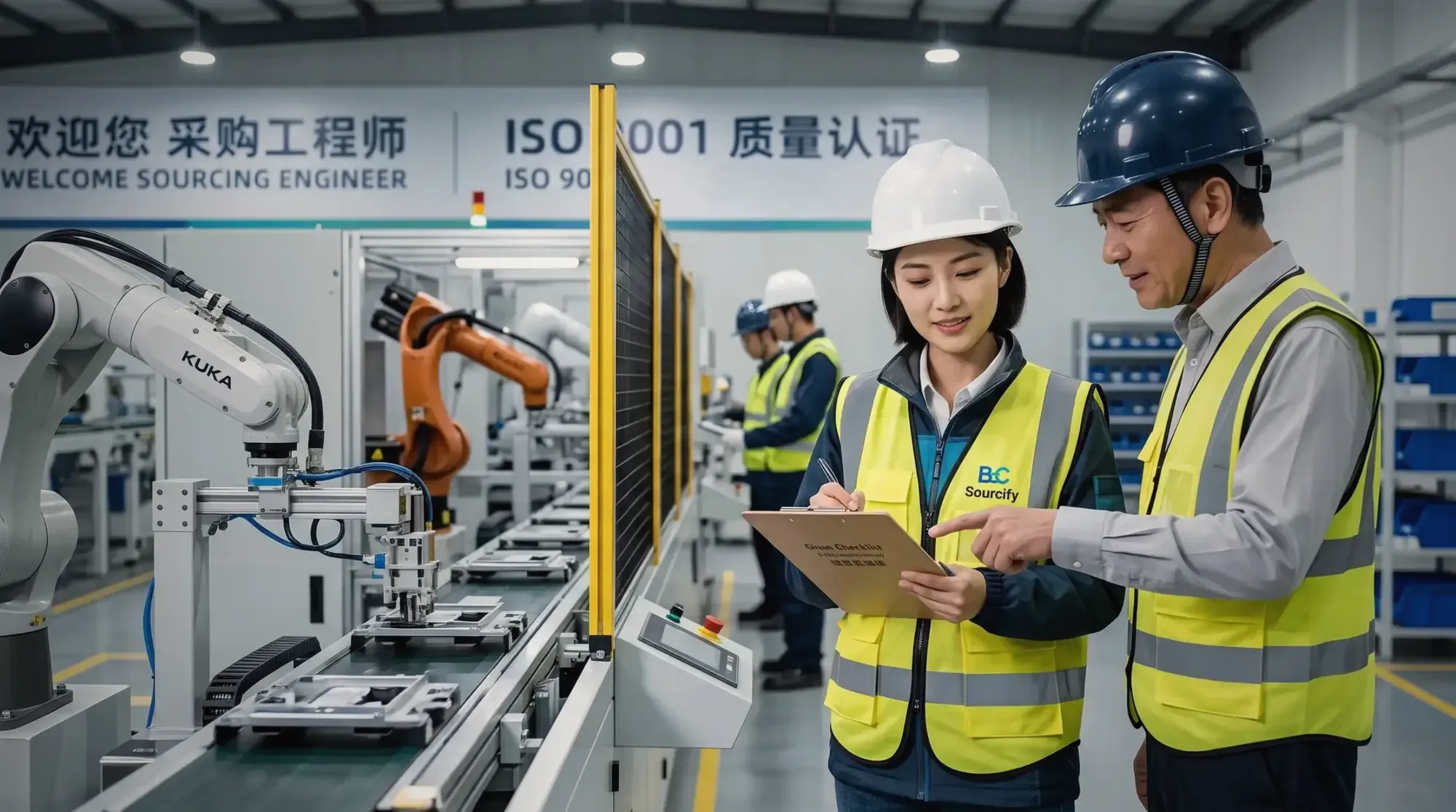
Then the physical resources. A factory audit looks at the buildings, the equipment list, the production lines, the workforce, the sample room, the warehouse and the export history. The aim is not a factory grade. The point is to see whether the capability the salesperson described exists on the floor.
We split the work into two levels. The supplier background audit is free and comes back within 24 hours; it is a desk audit built from official records and public filings, not a site visit. The site visit puts a person on the floor: lines running, equipment maintained or idle, quality staff in place, samples kept, and the distance between the catalogue and the site. The two levels answer different questions, and neither one is a formality.
A useful report names what was checked and what was not. A report that only says the supplier passed tells the buyer almost nothing. Was the second workshop visited? Was the subcontracted finishing line included? Was the business scope read against the product? Those questions belong in the document, with an answer beside each one. A report that lists the sites visited but not what each site was asked to show is a travel log.
What a Product Inspection Actually Measures
An inspection starts with the lot and a reference. The reference is the sealed sample, read with the written specification, and both are settled before the run. The specification covers what a sample cannot show: dimensions with tolerances, materials, functions and packing. The sample covers what the paperwork cannot: the actual look, feel and finish of the approved unit.
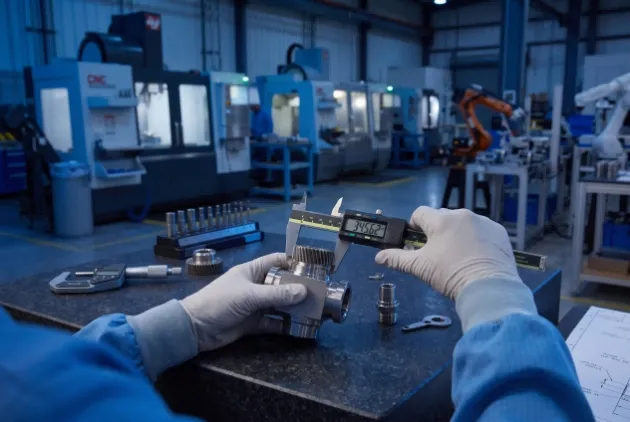
At the end of the run, the pre-shipment check compares the production units with both references. The inspector checks quantity with the packing list, appearance checked to the sealed sample, dimensions against the drawing, function against the stated use, and packaging, labels and marks against the order. The report records what was measured, where the sample came from and what failed.
Between the sample and the final check sits IPQC, the patrol during production. It watches for drift while the line is still running: a changed material, a new operator, a tool that has moved, a process that has quietly skipped a step. A patrol log is not an acceptance report. It is an early warning.
Loading supervision is the last gate. It stands at the container door as the load goes in: the cartons, the pallet stack, the shipping marks, the piece count, the condition of the box and the seal. Photos of the load and a short video of the closing are kept with the order. At that point the goods are packed, and what matters is whether the right cartons are going into a sound box.
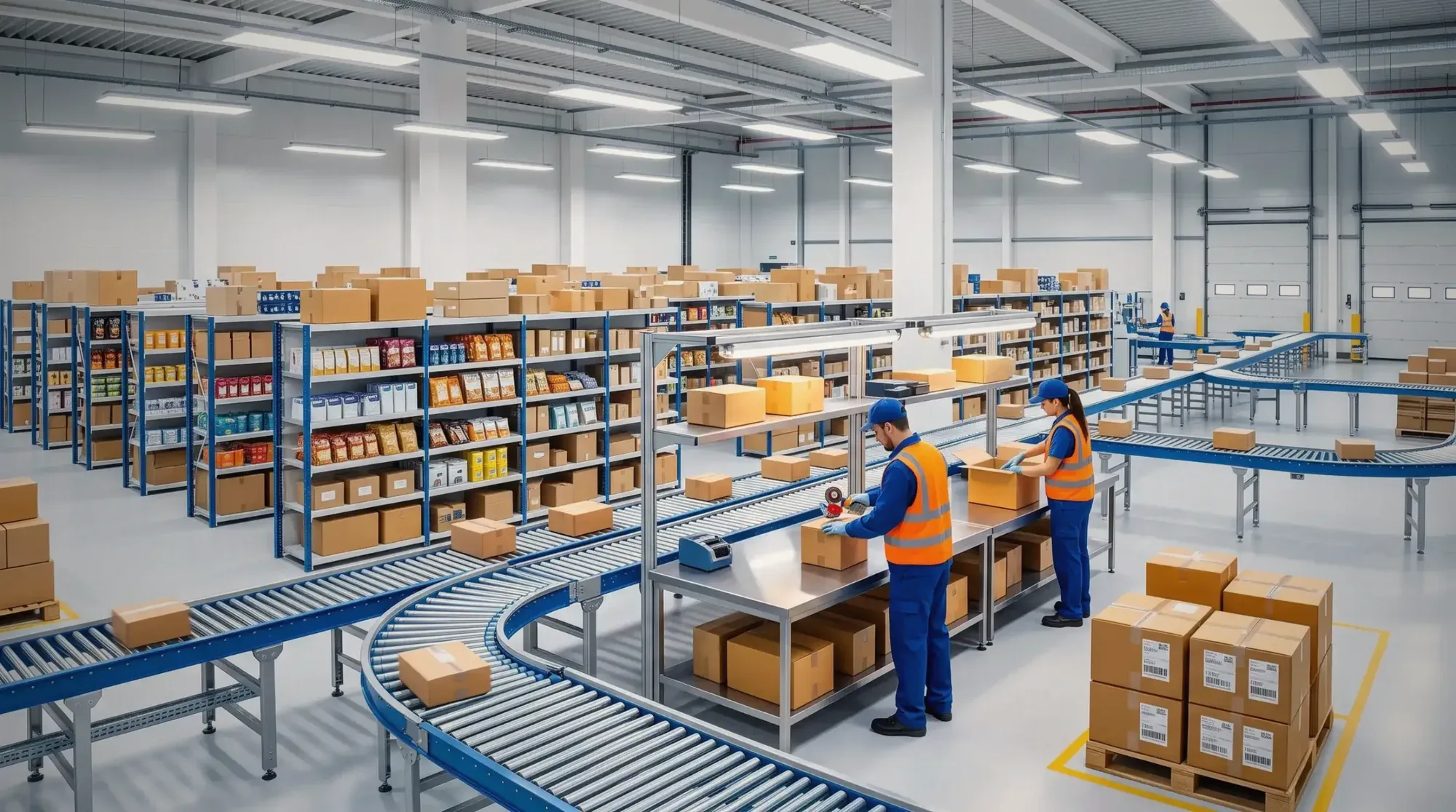
One distinction matters here. The hundred percent check in our B2C warehouse is a separate check. It happens after arrival, unit by unit, and it cannot substitute for the inspection before loading. The sequence behind all of this sits on the sourcing service page (/b2b-sourcing).
What the Audit Cannot Catch
An audit is a snapshot, and factories change after the visitor leaves. New workers join a line. A material lot is substituted. A rush order rebalances the schedule. A shift runs longer, a subcontractor takes part of the volume, a machine is moved. None of that appears in a report written three months earlier.
The audit reads capability, not output. A factory can own the right equipment and still lose a batch to a schedule it accepted too quickly. It can hold a clean quality manual and still put a new operator on the most delicate station in the week your order runs.
There is also what a site visit does not show. It does not show the second workshop, the real sub-tier or the line that was cleaned for the visit. We read a site visit as a reduction of the blind spot, not its removal.
So the audit answers the counterparty question with a date attached. It tells you what the company could do on the day of the visit, with the evidence the auditor was allowed to collect. It says nothing about the next batch. That is a different question, asked later, at the lot. A clean audit is a starting position, not a lasting verdict.
What the Inspection Cannot Prove
Inspection is late by design. By the time a lot is checked, the deposit is paid, the tool is built and the schedule is set. The inspection can stop a shipment. It cannot prove the company will be there for the next order.
A passed lot is a data point, not a system. It says these units met the reference at this moment. It does not prove capacity, ownership, financial stability, or that the sample came off the same line as the production run. A supplier can pass one inspection and fail the next without changing its name.
The inspection also reads only what it is asked to read. A check built around appearance and dimensions says little about a failure mode nobody wrote into the specification. A report can be complete and still narrow. The gate is real. Its reach is limited.
Then there is the sample. A sample speaks for the units in the sample. It does not describe the units outside it. The count of what was checked and the lot size behind it belong in the same report, or the reader is guessing.
We treat a clean report as a reason to release a lot, not a license to skip the next audit. The two documents cover different risks, and one cannot retire the other.
How to Stage Both Before the First Order
The order of the stages matters more than the format of any single report. We stage the work so each step answers a question the next step depends on.
It starts with the records stage, covering the legal entity, the scope, the litigation record and the public filings. That is the cheap filter, and it runs before a deposit is discussed. The site visit comes next, when the supplier is still one of two or three.
Then the reference. A golden sample is signed and sealed before the run. One copy stays at the plant; the other stays with us. The sample is what the line builds against, and it is what the inspection measures later.
During the run, the patrols watch the process. Before shipment, the final inspection sets whether this lot can be released. At the container, the loading check reads the cartons, each pallet stack and the seal. Each stage ends in a decision, not a document. The records stage filters the supplier list. The site visit decides whether a sample is ordered. The sealed sample opens the run. The container clears for closing only after the loading check.
The payment schedule follows the same line. Production opens with thirty percent up front, and the balance of seventy percent is released after the inspection clears. We work without credit terms. That arrangement gives the inspection commercial weight.
A program that covers several product families is audited family by family. Our standard scope carries a ceiling of five categories.
Our rule is short. Audit the company before you trust it with money. Inspect the lot before you release the money. Supervise the loading before the doors close.
Put the Audit and the Inspection in One File
Put the audit report and the inspection report in one file (/contact-us). Send the supplier name or link, the written specification and the stage the order has reached. We read the two reports against each other: what the audit covered, what the inspection measured, and where the two leave a gap.
Bring the raw reports, not a summary. The details that matter are usually in the annex: which sites were covered, the units checked, the count behind them and the open findings. A summary written for a sales file tends to remove exactly those lines.
The reply names the audit scope for that supplier, the inspection points for that product and the payment release conditions for the order. It makes no promise of a clean result. It shows which question each document answers and which question is still open.
The entry point is annual spend from USD 10,000. Dore Technology Co., Ltd. executes the agreement. A good audit and a good inspection answer different questions. One file is where both answers become a decision.