Oct 17, 2026Sourcing Guides
Inbound QC for E-commerce: Catching Defects Before Your Customers Do
A flaw caught in your warehouse is a rework order; caught by a customer, it is a refund and a review. Inside the piece-by-piece check and the rework that leaves no trace.
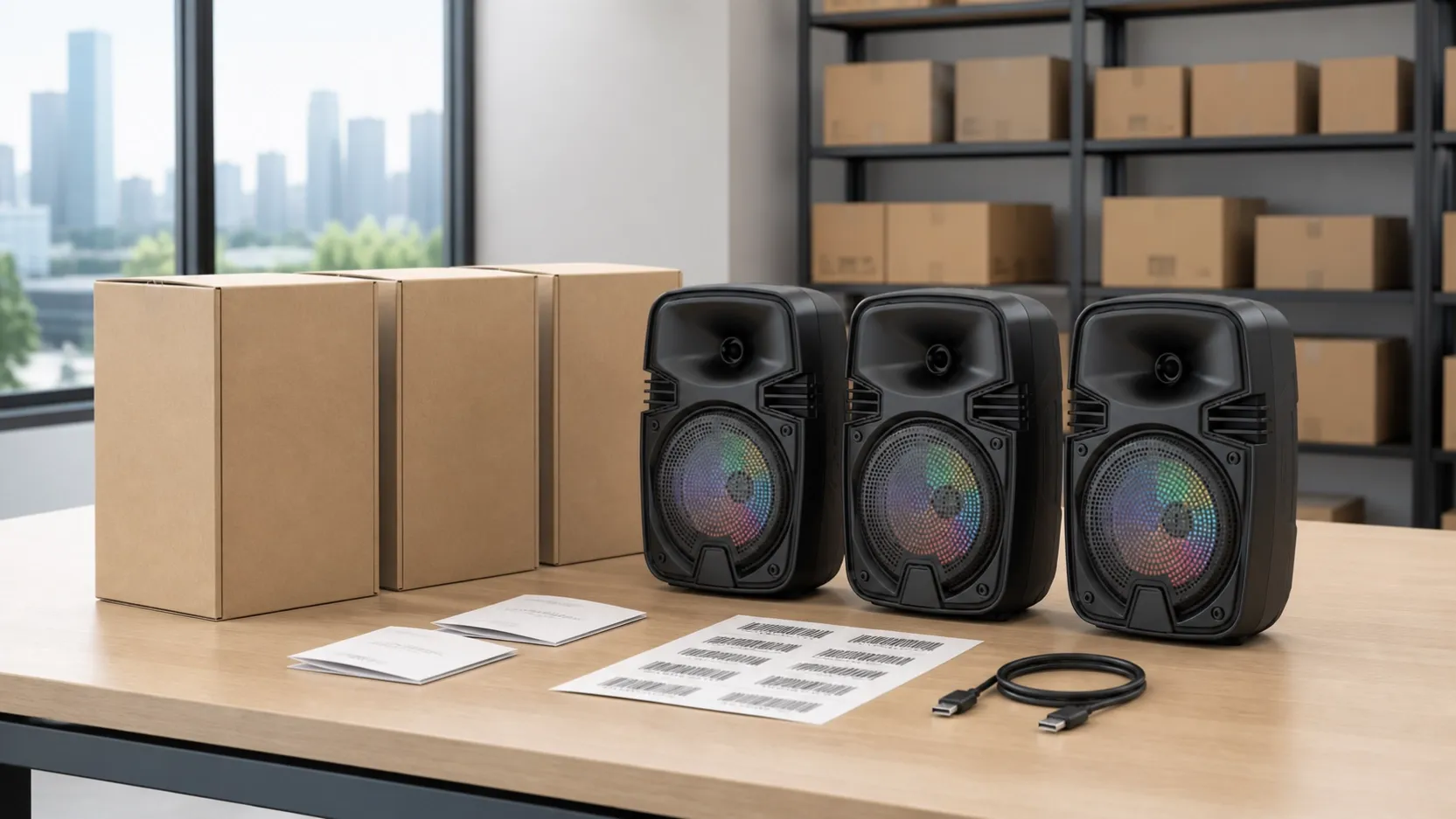
The same flaw has two price tags. Caught at our receiving table, it costs a tag, a repair, at most a replacement part. Caught in a customer's hands, it costs a refund, a review, and a chargeback you explain instead of win. Here is how every inbound unit moves through this warehouse: what the check reads, how a failing unit gets judged, and where it goes next. We came out of manufacturing, with a family-run sheet metal factory underneath and mold and PCBA work behind us, and we read a warehouse bench the way an inspector reads a line.
Why the Warehouse Gate Exists
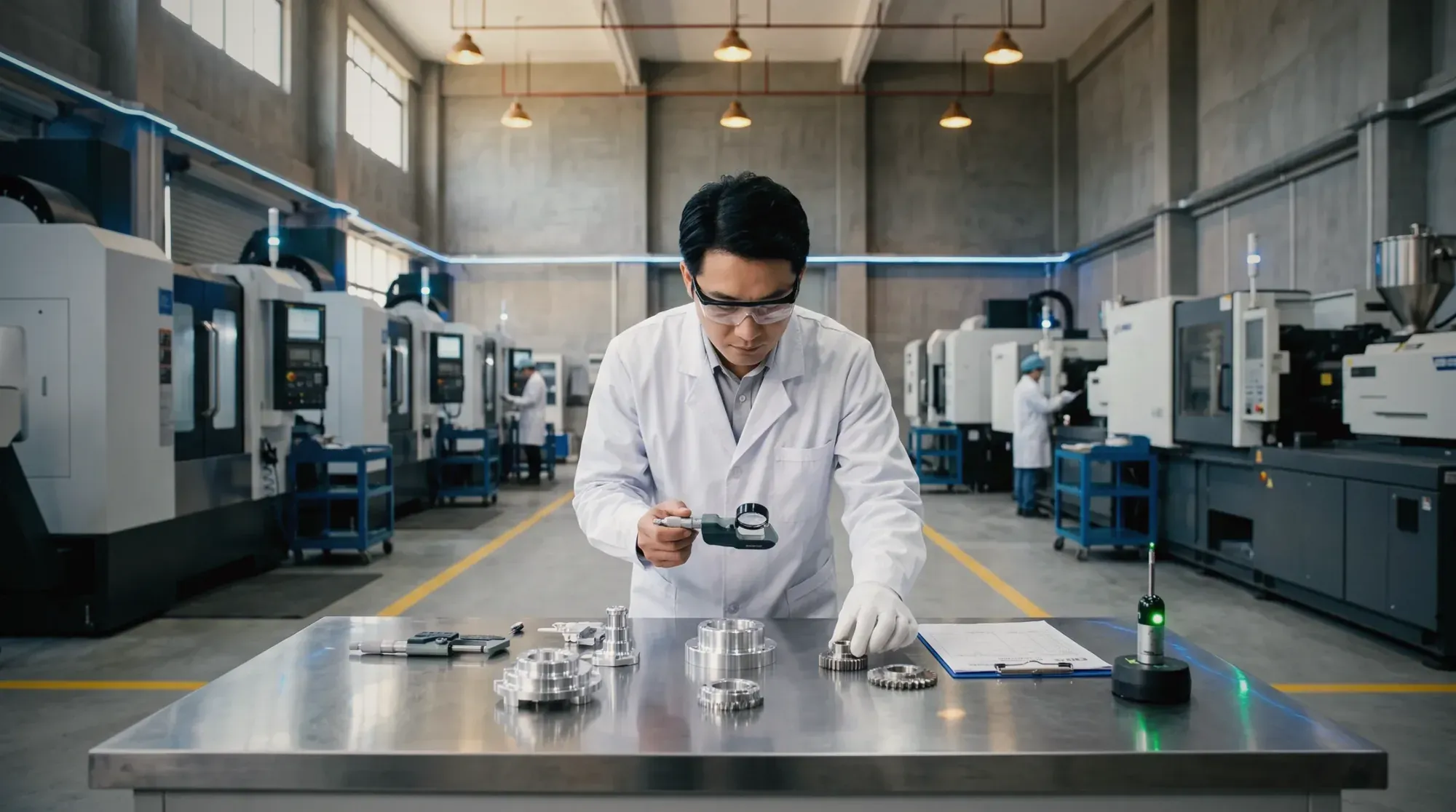
An inspection at the factory answers a probability question: how likely is it that this batch is clean? The receiving table does not deal in probabilities. Every unit that arrives here comes out of its carton and gets judged on its own, with no sampling shortcut, so defects that would turn into refunds and chargebacks abroad get caught while the goods are still here. That is the entire reason this gate exists. The layers also catch different things: a production line sees the process, a receiving table sees the product in the exact state a buyer would receive it, and anything that slipped past the factory, or happened after it, gets its hearing here. Factory-line checks are covered in a separate piece.
Three Ways a Unit Fails at the Inbound Check
Units fail here in three ways, and each one asks its own question. The first is surface: a loose seam, a dent from transit, a stain or a scuff that would read as used. The question is whether the unit can still go out as new, because a shopper meets the surface before the product. The second is completeness: a missing cable, a missing accessory, a missing component. Here the question is whether the unit can be made whole from parts we already hold, and whether the repair disappears. The third is configuration: wrong color, wrong variant, wrong model folded into the batch. That one is not a repair or a top-up; it is a mismatch against the order, and it goes back to its origin. All three judgments hang on two references, the approved sample and the order spec, which is why both stay within arm's reach of the bench. Judgment here is comparison, not taste.
Pull It, Don't Patch It
A failed unit loses its place in line. It gets tagged with the reason, pulled from the flow, and parked in a hold area that pickers do not enter. From there it takes one of three roads, and the road is chosen by the standard, never by the clock. The bench closes what it can close: a re-bag, a fresh label, a replaced part, a clean on a scuffed surface. Those units get the work and then pass a full check again, top to bottom, as if they had just arrived. What the bench cannot close escalates: the unit comes out of sellable stock and waits for replacements from the factory, because a known defect does not ship with an apology attached. Structural or irreversible damage ends the trip here; that unit does not go out at all, however clean the rest of it looks. Every pull carries a signature, and every signature points to a standard. The interception upstream of this table, the prep work before dispatch, runs to its own playbook (/knowledge-hub/fba-prep-amazon-inbound-rejections).
Rework That Leaves No Trace
Rework has one rule: a repaired unit re-enters at the same door a new arrival uses. It does not skip the bench because someone looked at it once, and it does not travel on a mental note. When a unit needs a fresh bag, a card or a label, the replacement comes from the same material batch the order was packed from, because the second-best bag is a visible bag. How those bags and cards get personalized is its own write-up. Customers inspect without knowing they are inspecting. A box that opens the wrong way, a card on different stock, a label sitting a few degrees off square: each small tell says this product has been somewhere before, and that story ends in a return. So the line is drawn at damage we cannot make disappear. A cracked shell, a deep scuff, a repair a fresh check would catch: the unit is scrapped or sent back, never quietly slid into the shipping pile. Invisible is the bar, and we hold it.
Keep the Evidence: Photos and the Defect List
Photos are available whenever you ask for them, not only when something goes wrong. We would rather you see your stock than take our word for it. The record serves three audiences. You, when the question is what actually sits on the shelf. The supplier, on the day a claim needs evidence more than an argument. And the bench, deciding what to watch on your next run. The defect list writes by SKU, with dates, quantities and photos attached, and it lives as one running file instead of a pile of notes. A single torn seam is an incident. The same torn seam on the same SKU across batches is a message.
The Defect List Becomes the Supplier's Work Order
A replacement unit solves today. The list behind it is what changes what gets made next. When the same flaw shows up across a whole batch, the cause is upstream and it is repeatable: a tolerance too loose, a material that will not hold, a step nobody owns. Those problems get cheaper to fix the closer they sit to the machine that caused them, so the list travels back as a work order: what failed, how many units, which production run, and what we did with the affected goods. The factory receives an instruction, not a complaint, and the next batch gets measured against it. Run that loop, and every new run starts from a slightly higher floor.
One Product Is Enough to Start
Your main product is enough to start. Tell us the product and the problem history through the contact form (/contact-us): what you sell, and what keeps coming back wrong. We map an inbound QC plan around it, the piece-by-piece checkpoints, the pull rules, the rework path, and attach a rate card. Where this check sits in the wider operation, storage through dispatch, is on our fulfillment service page (/b2c-fulfillment). The team is in Shenzhen, and Dore Technology Co., Ltd. signs the contract.