Oct 15, 2026Sourcing Guides
How to Source Commercial Ice Cream Machines from China: A Factory-Floor Guide
Two machines can look identical and still be two different businesses. What we read inside the machine, from frame welds to the refrigerant circuit, before you compare quotes.
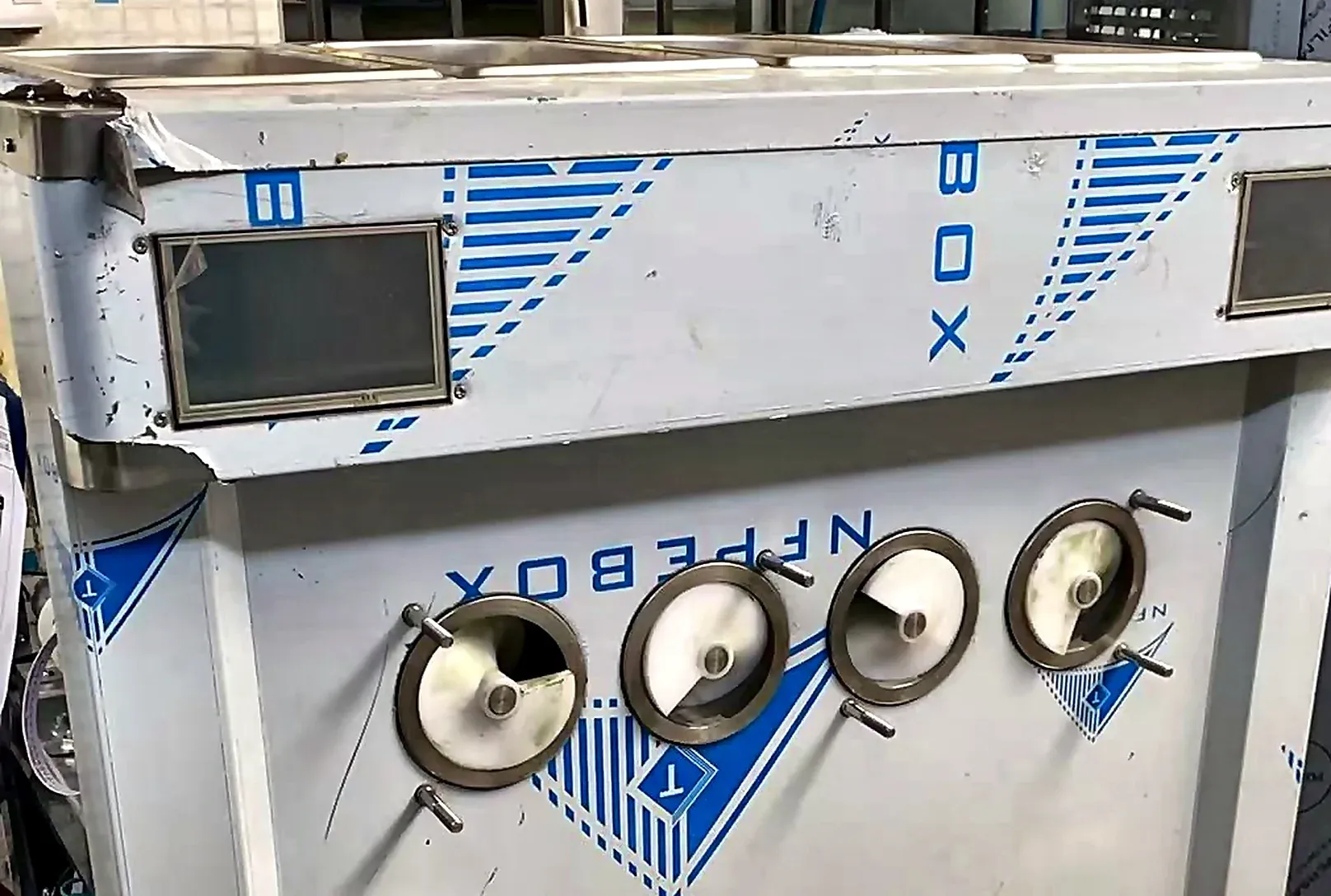
Two machines can look identical and still be two different businesses. The difference rarely shows in a catalog photo. It sits in the sheet metal, the molded parts, the compressor and the control board, and it decides how long a machine runs. We source commercial machines from Shenzhen, where a family sheet metal factory anchors us, with molding and PCBA capabilities beside it. This is the decision order we would run in your place.
Pick the Machine Class First, the Supplier Second
The category covers more than the name suggests: countertop single-flavor soft serve units, floor-standing two and three-flavor machines, batch freezers from 6 to 60 liters, gelato display cabinets, popsicle machines and mobile carts. Which one fits your business is a decision before it is a purchase. Your counters, your peak hour and your best-selling format pick the class. Class first, supplier second. The class then decides which supplier pool is worth talking to. A wrong class cannot be rescued by a good factory, and a right one makes every later step easier.
The full lineup we work with, from soft serve to batch freezers, gelato and carts, sits on our machine page (/industry/commercial-ice-cream-machines).
What the Factory Sees Inside the Machine
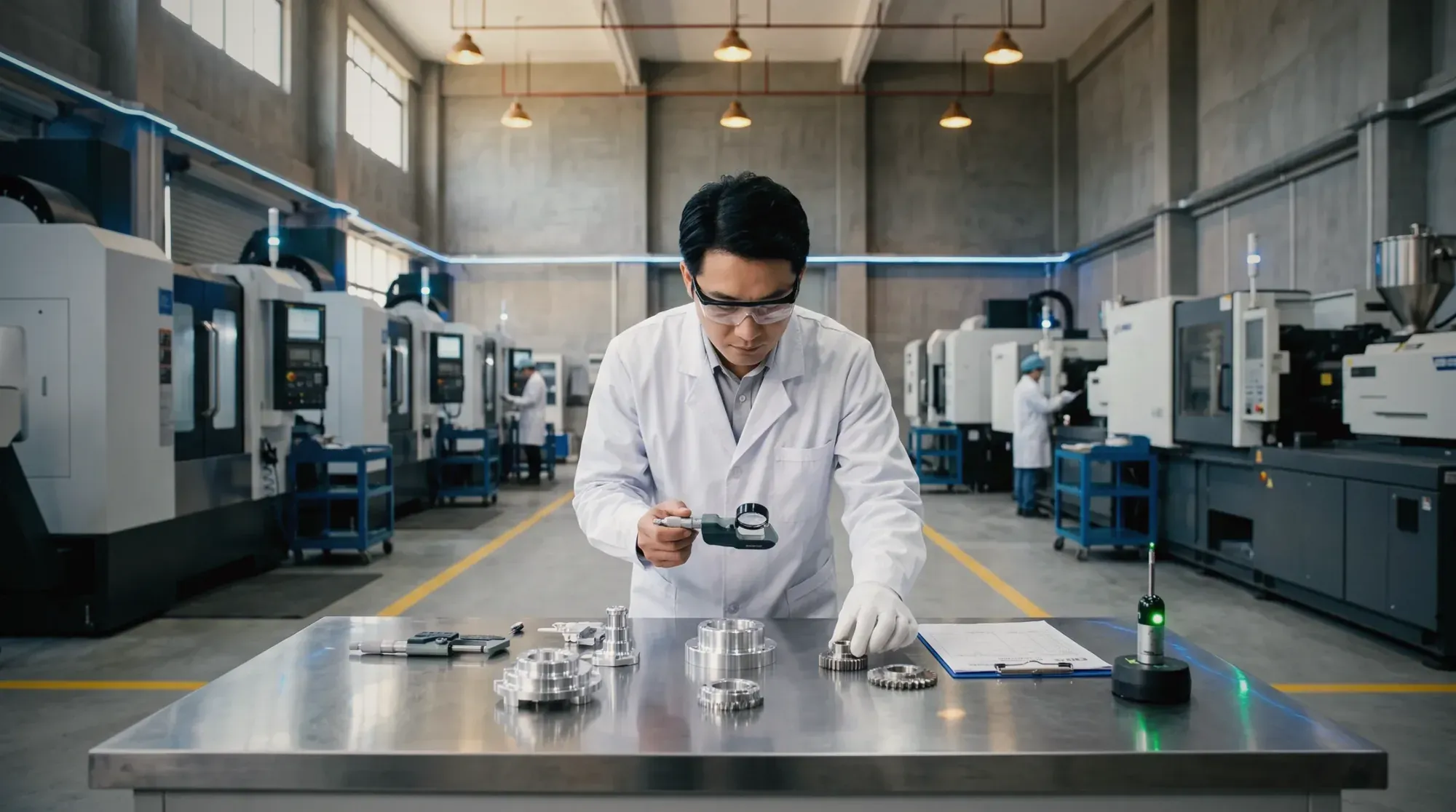
A listing says 304 stainless body. The factory hears a set of questions: which panels, how thick, how the welds are finished, how the edges are pressed. Body first, every time. Sheet metal frames and cabinets are where bending, welding and tolerance control decide whether doors still close square after a year of daily use.
Then the molded parts. Hopper lids and front panels tell you whether the tool that molded them was built properly; a good mold shows in the first shot, and in every part after it. Behind the panels sits the control board. We check SMT placement and run a powered function test before anything ships, because a weak board does not announce itself until the machine is running.
The last stop is the compressor and the refrigerant circuit. That pairing decides how the machine behaves in a hot room during your busiest week, which is the only week your customers remember.
Read the Quote Like a Manufacturer
Two quotes for a machine that reads the same on paper usually differ for four reasons, and none of them needs to be a mystery. Compressor: the options, Embraco, Copeland and Panasonic among them, move the price and the working behavior. Refrigerant: R404A, R134a or R290 tells you which gas circuit the quote is built around. Voltage: 110, 220 and 380 volt builds follow the market you sell in. Controls: digital, mechanical or IoT decides what your operator sees and what your maintenance looks like.
Below those lines sits the cabinet, and the same questions apply to the steel, the door fit and the seams. When a quote comes in well under the others, ask which line got cheaper. Then read the terms: minimums with the factories we work with typically run 50 to 200 units, and production takes 30 to 60 days.
The Custom Job Nobody Prices Properly
Custom here is not a sticker set. It reaches the mold, the process and the control software, and every one of those changes moves the delivery. The seven-color, full-touchscreen machine we took on for a well-known Spanish procurement firm at the end of 2025 is the proof: new colors and a screen reopened tooling and controls, and the format pulled after-sales technical guidance and operator training into delivery, where the factory joined the client's sessions more than once.
A quote that stops at the hardware misses half the job. A screen asks different questions from a lever, and the team that will run the machine is not the team that packed it. Price training and technical guidance in from the start, and the margin survives contact with the dock. If the wider OEM/ODM route from drawing to mass production is your next question, our production guide walks it end to end (/knowledge-hub/oem-odm-china-concept-to-mass-production-guide).
CE and Market Access: Lock the File, Not the Promise
A machine without its market file is a crate, not a product. The factories we work with support CE, CB, ETL, cETL, SAA, DOE, RoHS and REACH, and the work lands in one place: matching the build you ordered to the market you sell in. Lock three things early. Which configuration, down to compressor and controls, carries the certified mark. Which market's paperwork the shipment needs. And how the documents travel with the goods, not behind them.
CE adaptation was one of the delivery challenges on the Spanish build, and it was solved the same way, with the factory, before anything shipped. Once delivery closed, the client signaled a bulk order and asked what it would take to represent us in their market. Treat certification as a design input, not a shipping errand, and the dock stops being a gamble.
Crating, Acceptance Tests and the Handover
Before a machine leaves, we run the endurance tests a kitchen will demand of it, only sooner. A 24-hour continuous run comes first, so a failure shows up on our floor instead of yours. A 32°C compressor check follows, because a machine that only works in a mild room is not a machine for ice cream. Leak and pressure tests run on every unit, not a sample, and we verify the stainless really is 304. The last gate is a trial batch with real mix — run the machine the way your kitchen will, before it is packed.
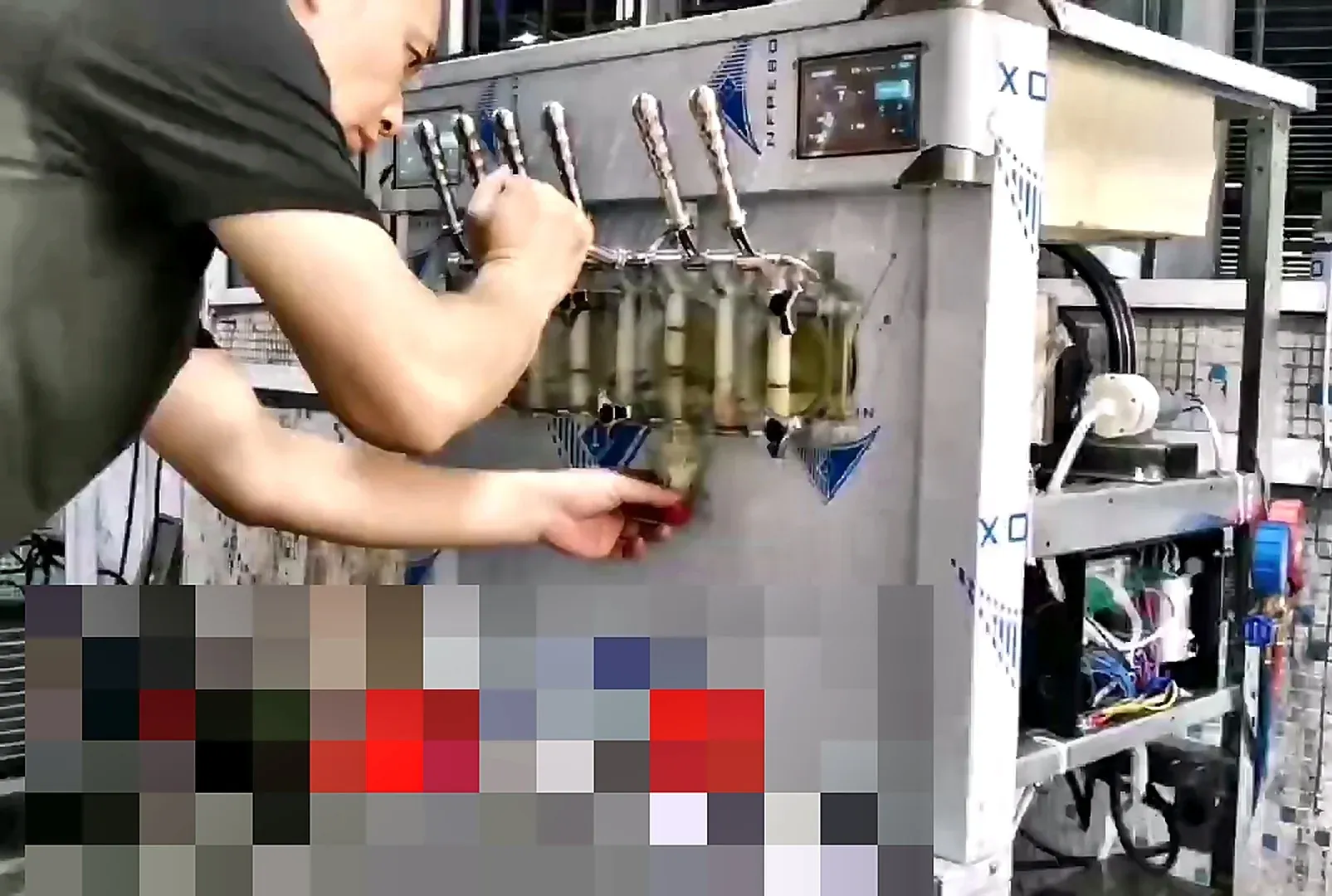
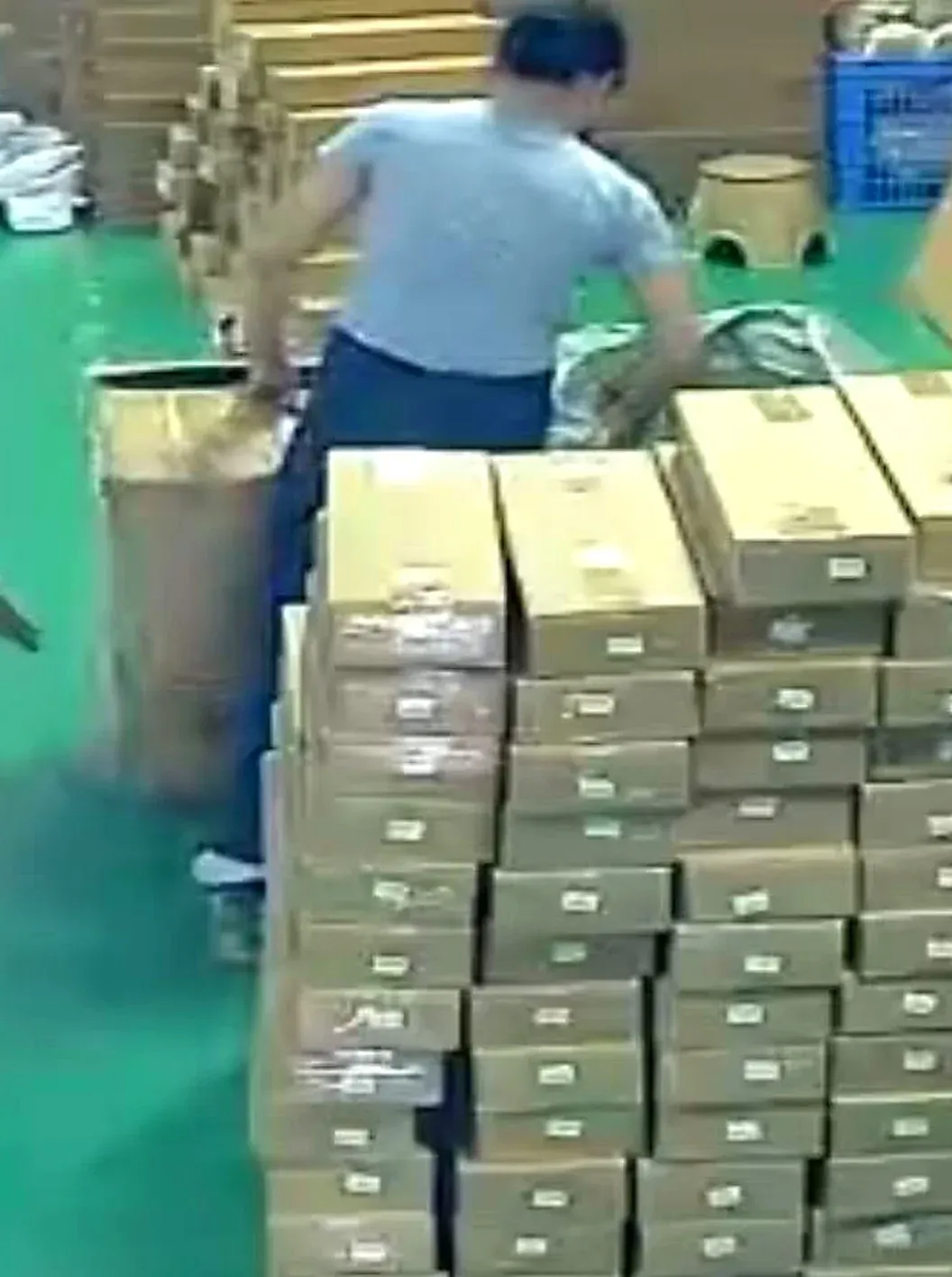
Packing comes next. The Spanish build shipped in 350KG heavy-duty plywood crates, and the crate is part of the product: it holds alignment through port moves and forklift work. Two more checkpoints bookend this chain. Before mass production we seal a physical golden sample, signed and stamped. On loading day, we stand at the factory.
Send Your Spec Sheet, and We'll Check the Builders
Details decide these machines, so send the details. The spec sheet, the quotes you are comparing, the factory links behind them: any of it can go through our contact page (/contact-us). Within 24 hours you get a free written check on those builders, covering official registration, business scope and litigation records, plus a practical read on the configuration you have in mind. Contracts, invoices and company payments are handled by Dore Technology Co., Ltd. Our standard structure is a 30% deposit with the 70% released after inspection passes, and we do not offer credit terms. We sit in Shenzhen, close enough to the workshops to check the welds ourselves.