Amazon Remote Fulfillment (NARF): Selling into Canada and Mexico from US FBA Stock
Amazon Remote Fulfillment lets US FBA sellers reach Canada and Mexico without separate stock. Here is how NARF works, what it costs, and which products qualify.
If you sell on Amazon in the United States, Canada and Mexico are the two closest markets you are probably not selling in. The usual reason is inventory: opening a second and third stock pool means more cash tied up, more warehouse fees, and the risk of stock sitting in a market that turns out to be slow. Amazon Remote Fulfillment — NARF — is built for exactly this problem. It lets you sell on Amazon.ca and Amazon.com.mx from the same US FBA inventory you already hold.
This guide explains how NARF works, what it costs, which products qualify, and when it is the right call versus holding separate stock in Canada or Mexico.
What NARF is
NARF is an Amazon program that connects your US FBA inventory to the Canadian and Mexican marketplaces. You enrol in Seller Central, and Amazon lists your eligible products on Amazon.ca and Amazon.com.mx. When a customer in Canada or Mexico places an order, Amazon picks the product from a US fulfilment centre, ships it across the border, handles customs clearance, and delivers it. You do not ship anything to Canada or Mexico yourself, and you do not hold stock there.
Amazon acts as the importer of record for the cross-border shipment, which means it handles the customs paperwork and the import duties and taxes. The customer sees a total price that includes those charges, and the delivery time is longer than a domestic US order — typically a matter of days rather than weeks, depending on the destination and the product.
Your listings are created from your US listings. Prices are shown in Canadian dollars and Mexican pesos, converted from your US price, and you can adjust the price for each marketplace. Payouts come back to you in US dollars, converted at Amazon's exchange rate.
What you need to join
The starting point is US FBA inventory. Your products must already be enrolled in FBA in the United States, with stock available in a US fulfilment centre. NARF draws from that stock, so if your US inventory runs out, your Canadian and Mexican listings go out of stock too.
Not every product is eligible. Oversize products are excluded, and so are products in restricted categories, dangerous goods, and products that require special handling or destination-specific certification. The eligibility of each ASIN is shown in Seller Central when you enrol, so check your catalogue before making plans — a product that sells well in the US may not be eligible for remote fulfilment, and the reason is usually size, category or a regulatory restriction in the destination market.
Compliance is your responsibility, not Amazon's. A product that is legal to sell in the United States is not automatically legal to sell in Canada or Mexico. Canada requires bilingual labelling — English and French — on consumer products, and has its own rules for certain categories such as health products, children's products and electronics. Mexico has its own labelling and certification requirements, including NOM standards for electrical and electronic products. Before enrolling a product, check the labelling and regulatory requirements of the destination market, and budget for any relabelling or certification the product needs. A listing that is live but non-compliant is a listing that will be removed, and in some categories the removal comes with a fine.
What it costs
NARF adds costs on top of the normal cost of selling on Amazon, and it is worth understanding the structure before you enrol.
You still pay the referral fee for each sale, and the standard FBA fulfilment fee for picking, packing and shipping the order from the US fulfilment centre. On top of that, Amazon charges a remote fulfilment fee for each unit shipped to Canada or Mexico. The fee depends on the size tier of the product and the destination, and it is charged per unit, not per order. Amazon also charges a fee for the currency conversion when it converts the sale price back to US dollars.
These fees change, and the exact numbers for your products are in Seller Central, in the NARF fee schedule. Do not price a NARF listing from a blog post's fee table. Work out the per-unit cost for your own products — referral fee, fulfilment fee, remote fulfilment fee and conversion — and check the margin at the price you intend to charge in Canadian dollars and pesos. For a high-value, light product, the remote fulfilment fee is usually a small share of the price, and the margin holds up. For a low-value, heavy product, the fee can eat the margin entirely, and the product is better left out of NARF.
What NARF does not do
NARF is not a substitute for holding stock in Canada or Mexico, and it is worth being clear about its limits.
Delivery is slower than local fulfilment. A customer in Toronto ordering from a US fulfilment centre will wait longer than a customer ordering from a Canadian warehouse, and the delivery promise on the listing reflects that. For products where fast delivery drives the sale, that matters.
Returns are handled in the destination country. A customer in Canada who returns a product sends it to a Canadian address, and the returned unit does not automatically come back to your US inventory. The return handling, and what happens to the returned product, follows Amazon's remote fulfilment returns process — read it before you enrol, because it affects what you recover from a return.
NARF also does not solve the compliance question. Amazon moves the goods across the border, but the product still has to meet Canadian and Mexican rules. If your product needs French labelling, a NOM certificate or a destination-specific registration, NARF does not provide it. And NARF does not cover every product in your catalogue — the ineligible products simply stay US-only, and if you want to sell those in Canada or Mexico, you will need separate stock and a local fulfilment arrangement.
When NARF is the right call — and when it is not
NARF is the right call when you want to test a new market without committing stock to it. If you are not sure whether your products will sell in Canada or Mexico, NARF lets you find out with no extra inventory, no new warehouse and no cross-border shipment of your own. It is also the right call when your catalogue is broad and your per-product volume in the new market will be low: splitting a small volume across three stock pools is expensive, and one pool serving three markets is cheaper.
It is also a good fit for products that are light, high-value and already compliant in the destination market — the products where the remote fulfilment fee is small relative to the price and the labelling is already right.
NARF is the wrong call when speed is the selling point. If your product competes on fast delivery, or if your category's customers expect next-day or two-day shipping, a cross-border delivery will lose sales to local competitors. It is also the wrong call when your products are heavy or low-value, where the per-unit remote fulfilment fee leaves no margin, and when your products need destination-specific certification that you have not yet obtained. In those cases, the honest answer is to hold stock locally in Canada or Mexico, or to stay out of that market until the product is ready.
The decision is best made product by product, not for the whole catalogue at once. Enrol the products that are light, compliant and high-margin, watch how they sell for a few months, and then decide whether the volume justifies local stock. Many sellers find that NARF is the first step, not the last: it proves the demand, and the proven products graduate to local inventory later.
What we can and cannot do
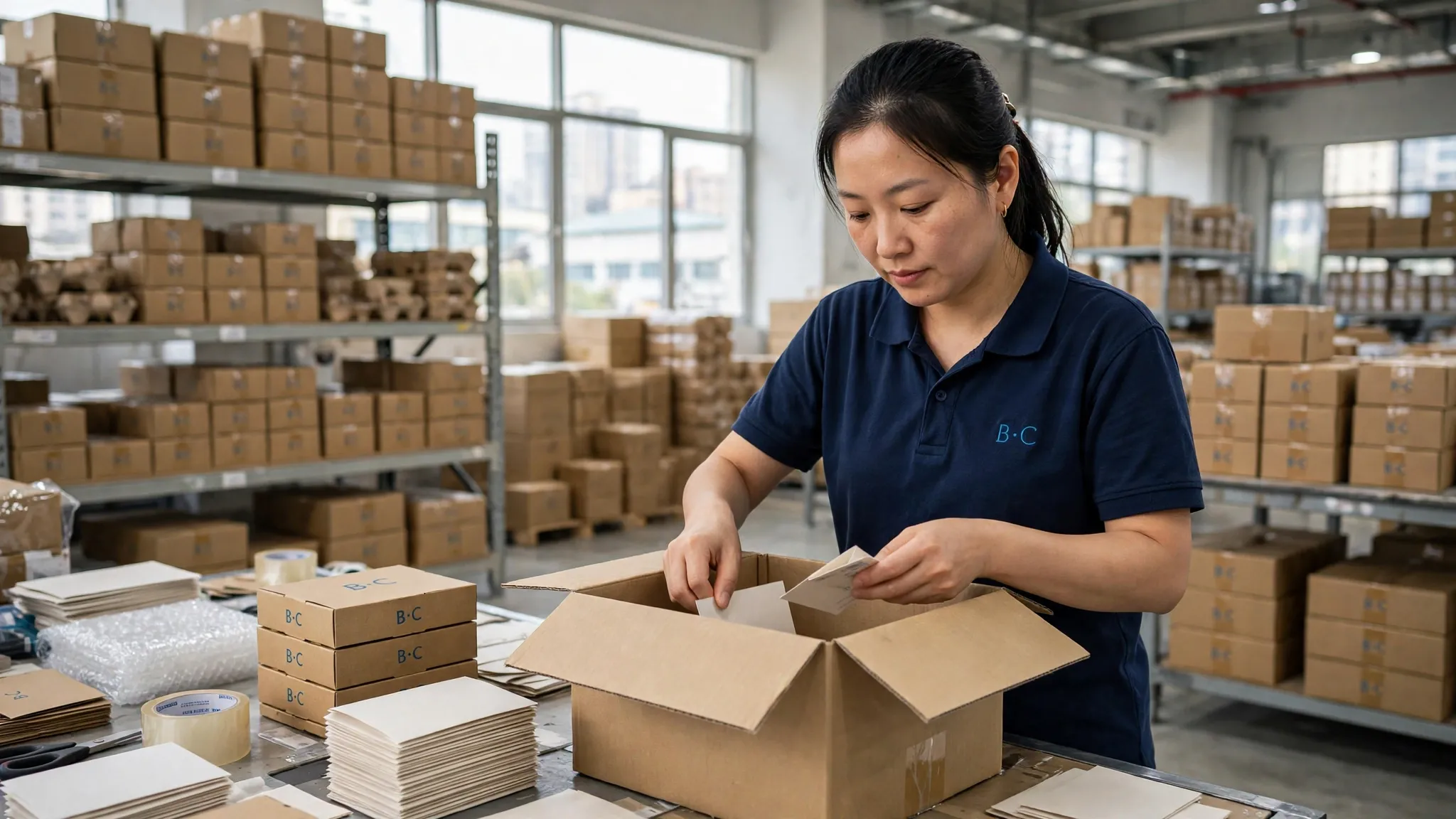
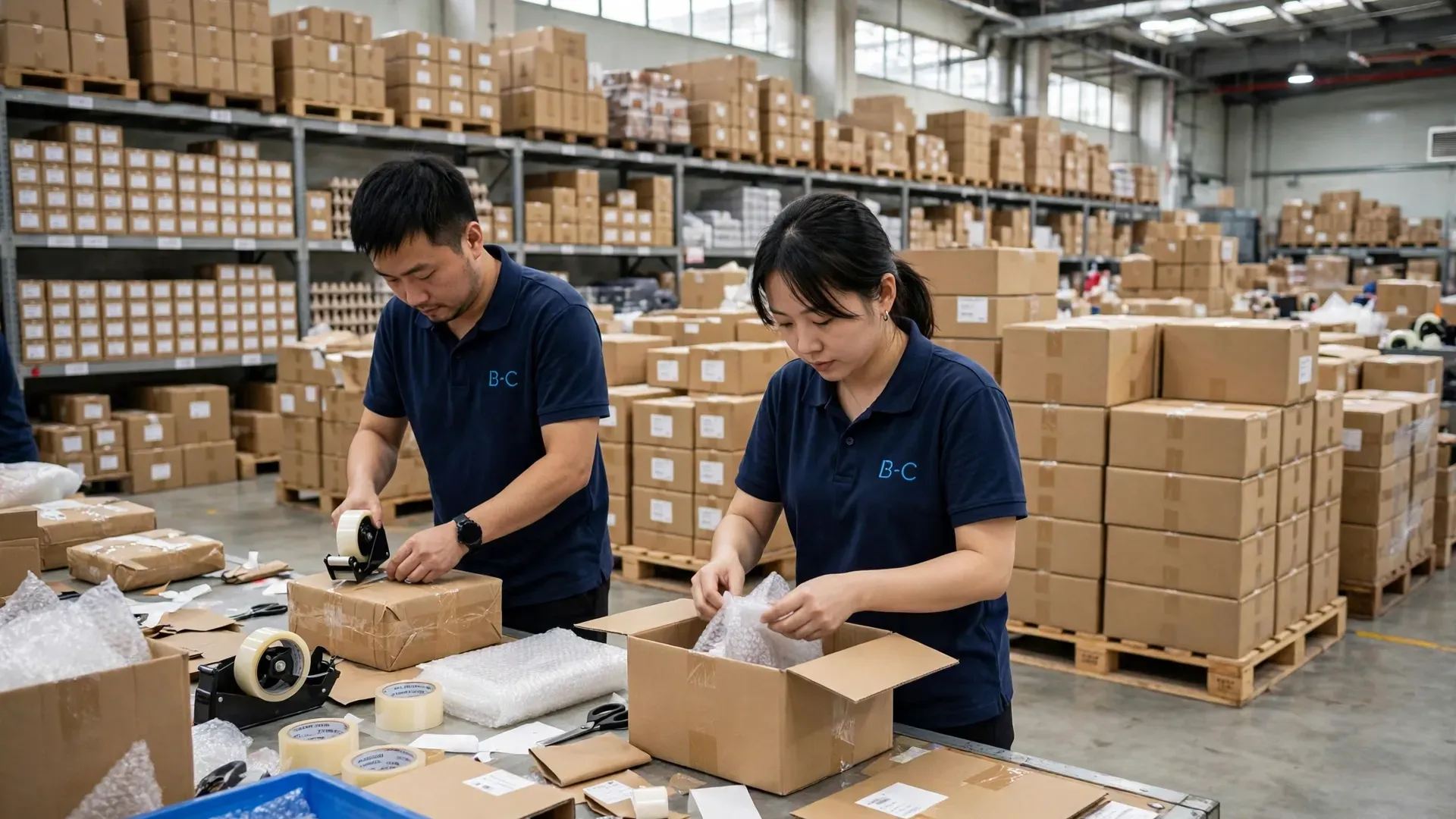
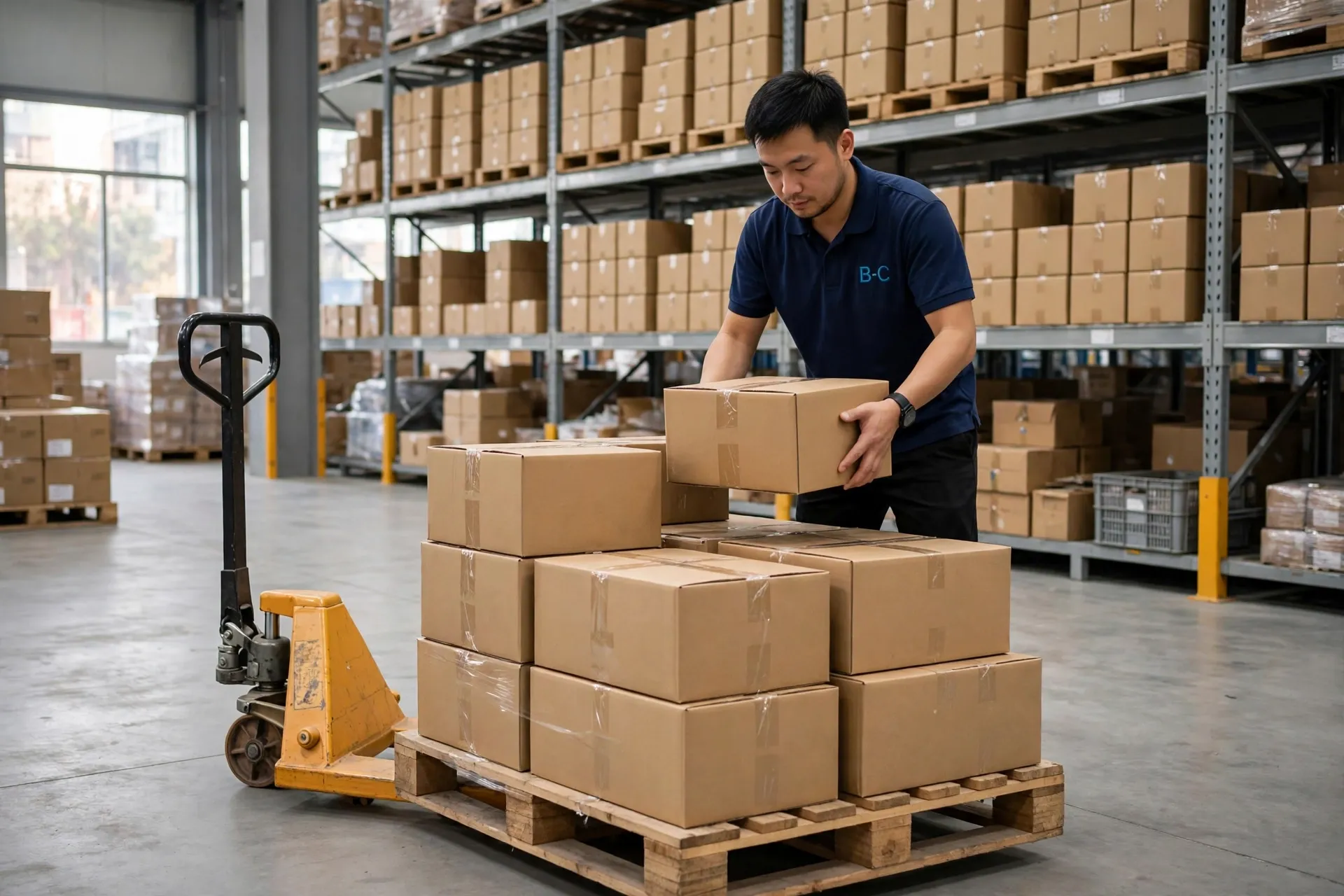
We can hold your US FBA stock in our China warehouse, prepare and ship replenishments to US fulfilment centres, and help you work out which of your products are likely to be eligible for NARF and which will need relabelling or certification for Canada or Mexico. We can also run a full inspection on every order before it leaves, and give you a weekly stock position so you know how many units are available to serve all three marketplaces from one pool.
What we cannot do is enrol you in NARF — that is done in your own Seller Central account — and we cannot change Amazon's eligibility rules or its fee schedule. We cannot make a product compliant in Canada or Mexico by relabelling it in the warehouse unless the relabelling is something you have specified and the destination rules allow it; certification and registration are the manufacturer's or the brand owner's job. What we can do is keep the stock ready, the replenishment moving, and the numbers visible, so the decision about each marketplace is made on real sales data.
The bottom line
NARF is the lowest-risk way for a US FBA seller to reach Canada and Mexico: one stock pool, no cross-border shipment of your own, and Amazon handling customs. It works best for light, high-value, compliant products, and as a test of demand before committing to local stock. Check the eligibility of your catalogue, price each product with the remote fulfilment fee included, and sort out the destination labelling before you enrol. The sellers who do well with NARF are the ones who treat it as a measured expansion, product by product — not as a switch to flip for the whole catalogue at once.
If you want help keeping the stock flowing to your US fulfilment centres while you test the new markets, get a fulfilment quote in 24 hours — send us your catalogue and your current stock positions, and we will map the replenishment plan for all three marketplaces from one pool.
Related: B&C Sourcify Fulfilment Services — China warehouse fulfilment, Amazon FBA prep and direct-to-customer shipping from Shenzhen.