Buying from 1688 as a Foreigner: How It Differs from Alibaba and Where It Goes Wrong
1688 prices look lower than Alibaba — because it is a different market. Here is how the two platforms differ, where foreign buyers get stuck, and how to buy from 1688 safely.

Every foreign buyer who discovers 1688 has the same first reaction: the same product, a lower price than on Alibaba. The second reaction usually comes a few hours later, when the listing is in Chinese, the seller asks for a Chinese phone number, and the checkout page wants a payment method the buyer does not have.
1688 is not a worse version of Alibaba. It is a different platform built for a different customer — domestic Chinese buyers. Buying from it as a foreigner is possible, and for the right products it is worth doing, but it works on different rules. This guide explains the differences that actually matter, the places where foreign buyers get stuck, and the routes that work.
1688 and Alibaba are not the same marketplace
Both platforms belong to the Alibaba Group, but they serve different markets:
- 1688 (1688.com) is China's domestic wholesale market. Listings are in Chinese, prices are in RMB, and sellers expect buyers who understand Chinese business practice — negotiating on the platform's chat tool, paying through domestic methods, and arranging their own logistics or using a domestic forwarder.
- Alibaba.com is the export platform. Listings are in English, suppliers are used to export orders, and the platform offers Trade Assurance, an escrow-style payment protection that holds the payment until the buyer confirms receipt.
- Prices differ for a reason. A supplier selling the same product on both platforms usually prices it higher on Alibaba.com. The difference covers export packaging, English-language service, export documentation, the platform's fees, and the cost of dealing with a buyer the supplier cannot meet in person. The 1688 price is lower because the domestic buyer does the work the export buyer does not.
- The supplier pool overlaps but is not identical. Many export-ready factories sell on both platforms. But 1688 also has a large number of small workshops and traders who only serve the domestic market — no export licence, no English, no experience shipping abroad. Finding the right supplier on 1688 means filtering out the ones who cannot export at all.
The practical consequence: 1688 is a sourcing pool, not a shopping site. The price is the starting point of the work, not the end of it.
Where foreign buyers get stuck
- Language. The whole platform is in Chinese — listings, chat, dispute pages, even the error messages. Machine translation gets the product name right and the specifications wrong, and the details that matter most (material grade, customisation limits, packaging) are exactly the details translation mangles. Negotiating a price, a specification change or a quality problem in translated Chinese is slow and error-prone.
- Accounts and verification. Registering on 1688 asks for a Chinese mobile number. A foreign number often does not work, and the verification steps assume a Chinese identity document. Some buyers get in with a workaround; others spend days on it. Either way, it is a barrier Alibaba.com does not have.
- Payment. 1688 sellers expect Alipay or a domestic bank transfer. Most foreign buyers do not have a Chinese bank account, and international cards are not accepted on the platform. Paying a seller by direct transfer to a personal account — which some sellers suggest — leaves no payment protection at all: if the goods never ship, the money is gone.
- No Trade Assurance. 1688 has no equivalent of Alibaba.com's Trade Assurance for cross-border buyers. The platform's buyer protection is built around domestic transactions, domestic payment methods and domestic delivery. A foreign buyer paying from abroad is outside the system the protection was designed for.
- Export capability. A 1688 seller may be a perfectly good domestic supplier and still be unable to export your order: no export licence, no experience with customs declarations, no export packaging, no way to put your brand or labels on the product to your specification. The order can be fine as a domestic purchase and unworkable as an import.
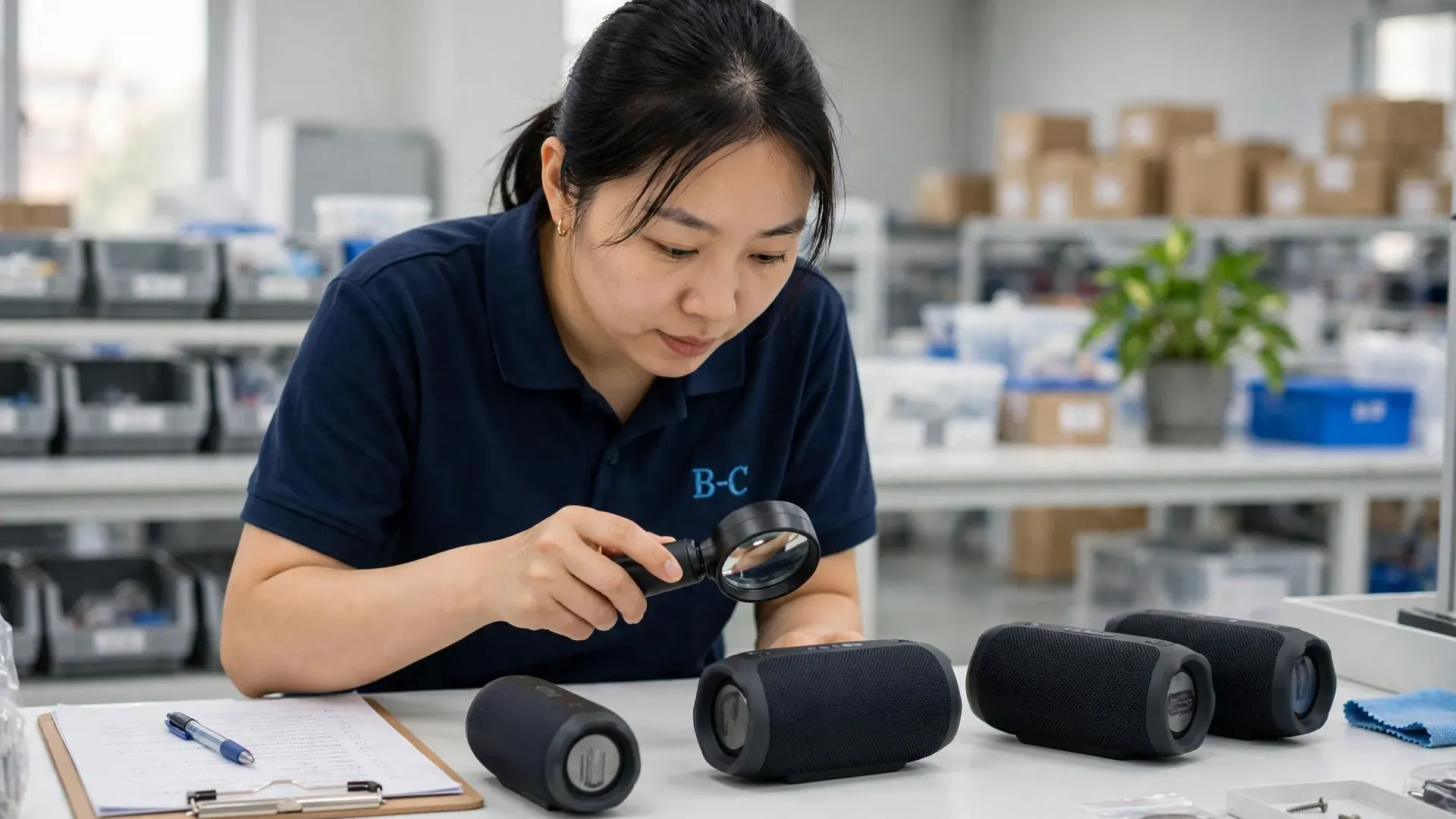
- Quality and consistency. 1688 listings often show a sample or a catalogue photo rather than the exact production item. Minimum orders can be low — sometimes a handful of pieces — which makes sampling cheap, but also means the supplier may treat your order as a small domestic sale rather than an export order with a specification to meet. What arrives can differ from what the listing showed, and without an inspection step you find out when the goods reach your warehouse.
What works: three routes for foreign buyers
Route 1: Use 1688 to find, Alibaba to buy. If the same supplier sells on both platforms, use 1688 for discovery and price comparison, then place the order through their Alibaba.com store where Trade Assurance and export service apply. You lose some of the price advantage, but you keep the payment protection and the export handling. This is the safest route for a first order with a new supplier.
Route 2: Buy on 1688 through a China-based partner. A sourcing agent or a trusted contact in China can hold the 1688 account, communicate with the seller in Chinese, pay through domestic methods, receive the goods, inspect them, and arrange export shipping. This is the route that captures the full 1688 price advantage, because the domestic side of the transaction is handled by someone inside it. The agent's job is also the part 1688 does not provide: verifying the supplier, checking the goods before they ship, and consolidating orders from several sellers into one shipment.
Route 3: Go direct once the relationship exists. After several successful orders through a partner, some buyers build a direct relationship with the supplier — a WeChat contact, agreed specifications, an established payment route. This works when the volume justifies it and the supplier has shown it can meet export requirements. It does not work as a first step.
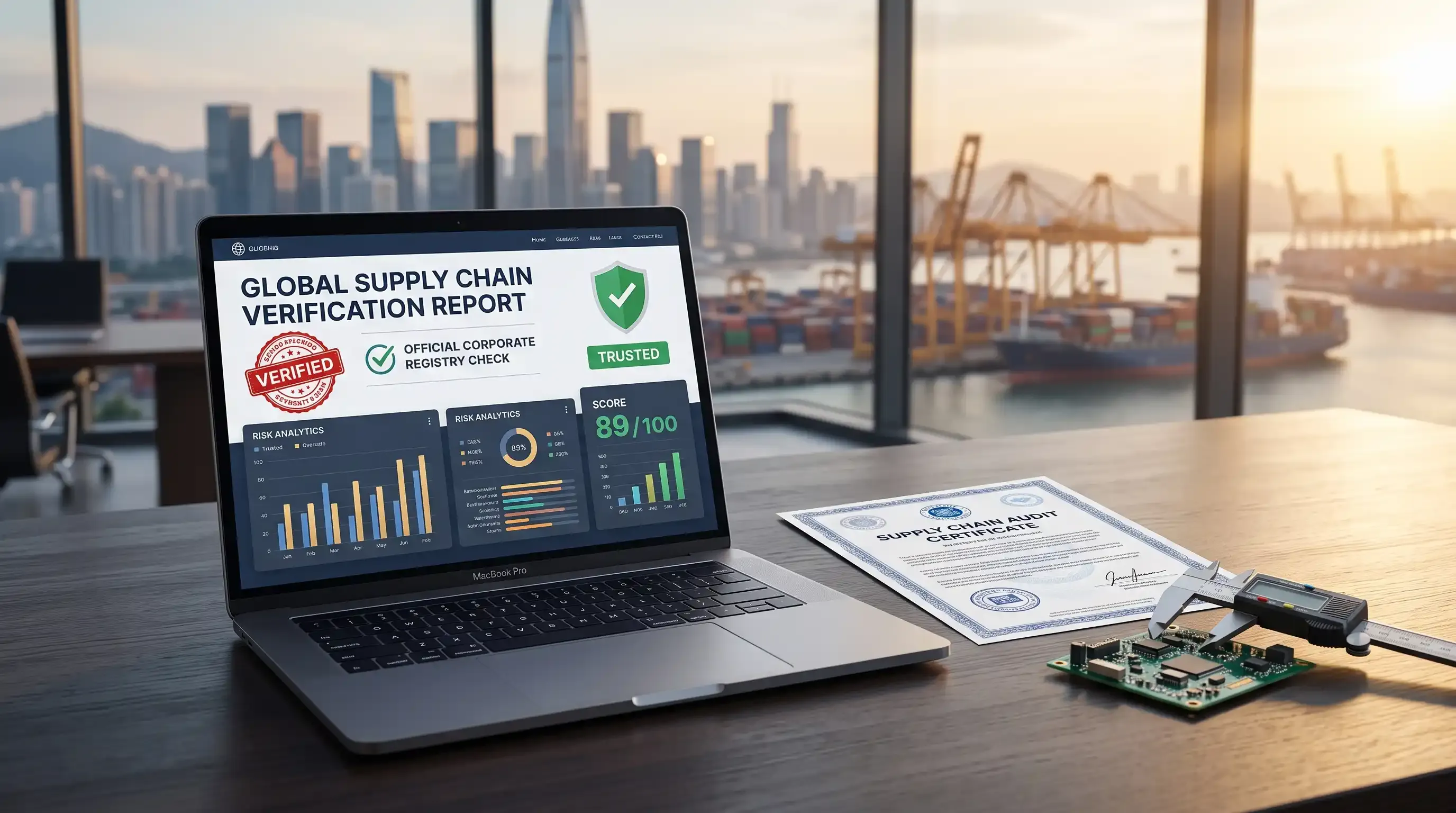
Whichever route you take, the same checks apply before the first order: confirm the supplier is a real factory or an authorised trader, confirm the product specification in writing, get a sample before a bulk order, and inspect the goods before they leave China. A free supplier background check before the first payment is cheaper than any dispute after it.
What to check before you pay
- The seller's business licence and export history. A domestic-only seller will not have export records. That is not a red flag by itself — it is information about which route to use.
- The exact specification, in writing. Material, dimensions, colour, packaging, labelling — confirmed by the seller in the chat record, not just on the listing page.
- A sample first. 1688's low minimums make sampling cheap. Order the sample, check it against the specification, and only then place the bulk order.
- Who handles export. Confirm before payment whether the seller can export directly, or whether your partner will handle customs and shipping from China.
- The real landed cost. The 1688 price is the factory price. Add domestic freight to the warehouse, inspection, export handling, international freight and any duties before comparing it with an Alibaba.com quote. A lower factory price with unplanned handling costs is not a lower total cost.
What we can and cannot do
We can search 1688 on your behalf, shortlist suppliers against your specification, verify a supplier's registration and export history, order and check samples, inspect the goods before shipment, consolidate orders from several 1688 sellers into one export shipment, and handle the export documentation and freight. That is the work 1688 does not do for foreign buyers, and it is the reason the platform's prices are reachable for buyers outside China.
What we cannot do is make a domestic-only supplier export-ready overnight, or guarantee a price a seller quoted for a domestic order will hold when the order becomes an export order with different packaging and documentation. We also cannot recover money paid directly to a seller's personal account outside any protected payment route — which is why payment should go through a documented channel with a named company, not a private transfer.
The bottom line
1688 is worth using. Its prices are lower because it is a domestic wholesale market, and the gap between its prices and Alibaba.com's is real. But the gap is not free money — it is the cost of the work the platform does not do: Chinese-language communication, domestic payment, supplier verification, inspection and export handling. Buyers who pay for that work, whether through a partner or by doing it themselves, get the 1688 price. Buyers who skip it usually pay the difference later, in the form of a shipment that is wrong, late, or never arrives.
If you have a product you found on 1688 and want it quoted as a landed, export-ready order, get a factory quote in 24 hours — send the listing and your specification, and we will price the whole route, not just the listing price.
Related: B2B Sourcing from China — supplier verification, sampling, inspection and consolidated export shipping for orders sourced from 1688, Alibaba and direct factories.