Sourcing Guides
China Business Trip Service: Factory Visits, Trade Fairs and Market Tours
A China business trip service that plans factory visits, trade fairs and market tours around your supplier list. USD 200 per day for the arranged service; travel costs reimbursed at actual cost.
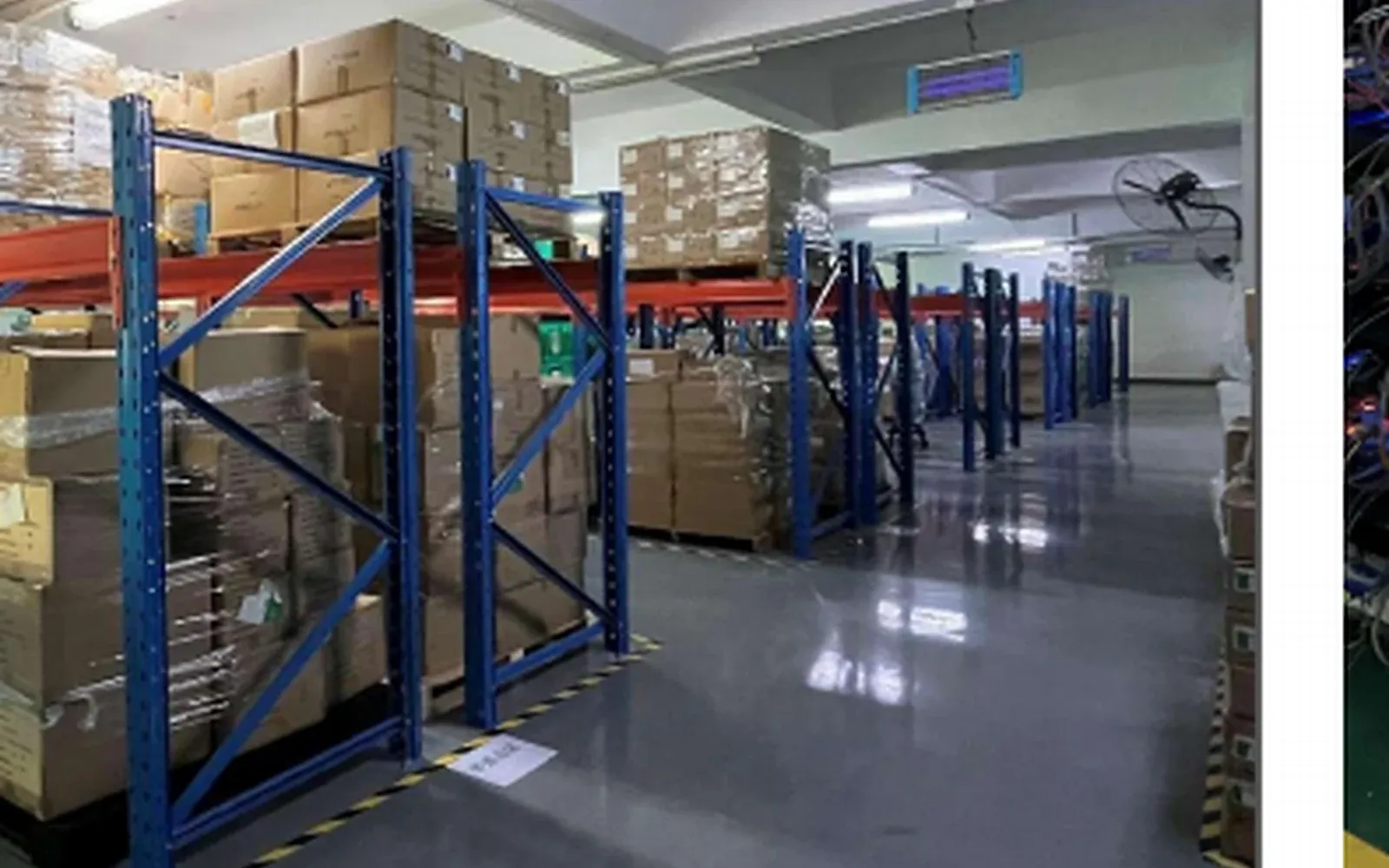
Reading a supplier through email and video call only goes so far. At some point most buyers want to stand on the factory floor, watch a line run, and put a face to the name that has been quoting them for months. Getting that trip right inside China is its own job: which factories to see, how many fit into one day, how to move between districts, and what to do when a planned visit falls through the night before. That is the trip service we run.
This page describes the trip itself. If a factory behind a supplier needs checking before you fly in, the supplier audit runs separately and should be done first (/knowledge-hub/supplier-audit-registry-red-flags).
What the trip service covers
You bring the intent and we build the itinerary around it. Some buyers arrive with a fixed supplier list and want logistics only: cars, timing, interpretation, and a person who keeps the day moving when a factory manager is late. Others arrive with a category and no names, and want candidate factories arranged so that three or four stops sit in one sensible route instead of four directions. Both are the same service; the difference is only how much of the supplier list you hand over and how much we assemble.
The service covers factory visits, trade fair attendance, wholesale market tours and supplier meetings. It also covers the unglamorous parts: tickets, drivers, timing between districts, and a team member who is with you in the meeting, not waiting in the car. You can specify every supplier and market you want to see, or give us a product category and let us propose the stops; either way the itinerary is confirmed with you before the day starts.
Where trips have actually gone
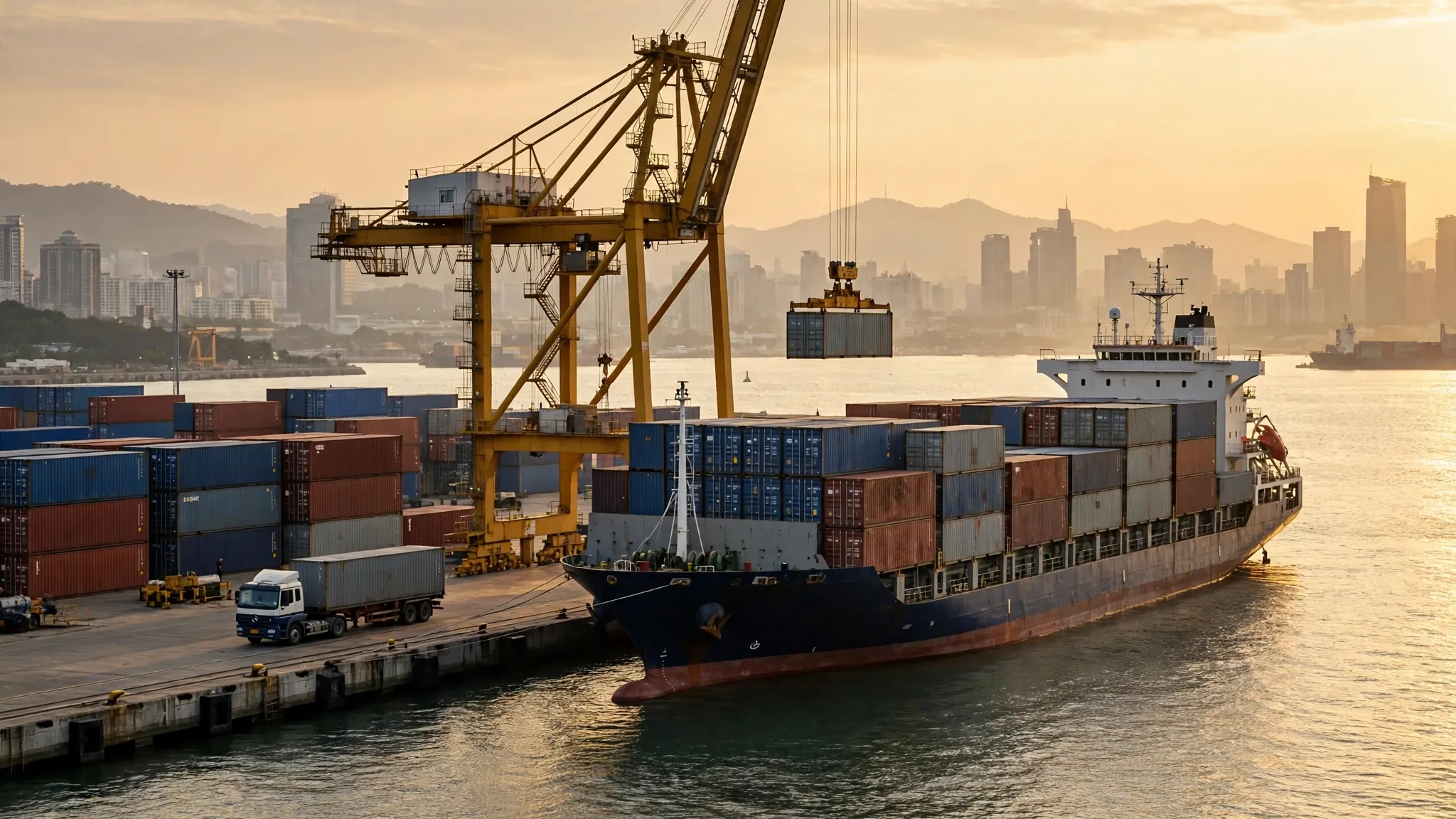
The trips we have arranged give a better picture than a service list. We have brought buyers through the Canton Fair in Guangzhou, walking halls with a list of booths that mattered and skipping the ones that did not. We have received a European buying group on a multi-day schedule that mixed factory floors with market walks. We have run a day with three factory visits in it, which is the practical ceiling if you want each stop to be a meeting rather than a drive-by.
The wholesale markets are their own kind of trip. Yiwu is a commodity market the size of a district, and a day there without a route dissolves into stalls. Huaqiangbei in Shenzhen is the electronics version: floors of components, floors of finished devices, and a reliable mix of real traders and sample shops. We have taken buyers down both, and through the consumer experience stores that matter to some categories, such as the DJI drone store and the Tesla store in Shenzhen, when the trip is about seeing how a product is presented and sold rather than how it is made.
Beyond Shenzhen we have arranged factory trips to Hangzhou and Shanghai, and the same planning applies anywhere in China. Being based in Shenzhen makes the Pearl River Delta the easiest geography, since Dongguan and Guangzhou sit within a morning's drive, but a trip plan is not limited to this region.
How an itinerary gets built
Every trip starts with your list: the suppliers you already buy from, the factories you want to qualify, the markets you want to walk, and the fairs that fall inside your dates. We check which stops are realistic given travel time, confirm visits with each factory, and sequence the days so that meetings do not collapse into each other. A factory that agrees to a visit on paper is not always a factory that will receive you well on the day, so confirmations are re-checked before each stop.
During the trip someone from our team is present at each stop. That person handles interpretation where needed, keeps the schedule, and takes the notes that a full day of meetings makes hard to keep. When a visit is cancelled or a line is not running, the day is rebuilt around the alternatives rather than lost. After each day you have the notes, the contacts and the next-step list from every stop.
Trips by buyer type
Different buyers use the same service differently, and the itinerary changes with them. A first-time visitor usually wants a broad sweep: two or three candidate factories in one category, a market day to understand the price layers, and a fair if the dates line up. An experienced importer often inverts that, arriving with named suppliers, narrow questions and a schedule that is mostly meetings. A trading company that wants to show its own buyers around uses the service for group logistics, where the priority is moving several people between stops without losing half a day.
The category also shapes the route. Electronics buyers usually pair factory visits with Huaqiangbei, because components and finished goods sit within a few blocks. Home and hardware buyers tend to combine a factory day with Yiwu, since small commodities concentrate there in a way no factory tour shows. Apparel and bag buyers often route through Guangzhou and the surrounding delta factories, with the Canton Fair added when the season matches. None of these are packages; they are patterns we have already run, used as a starting point for your dates and list.
What the trip is not
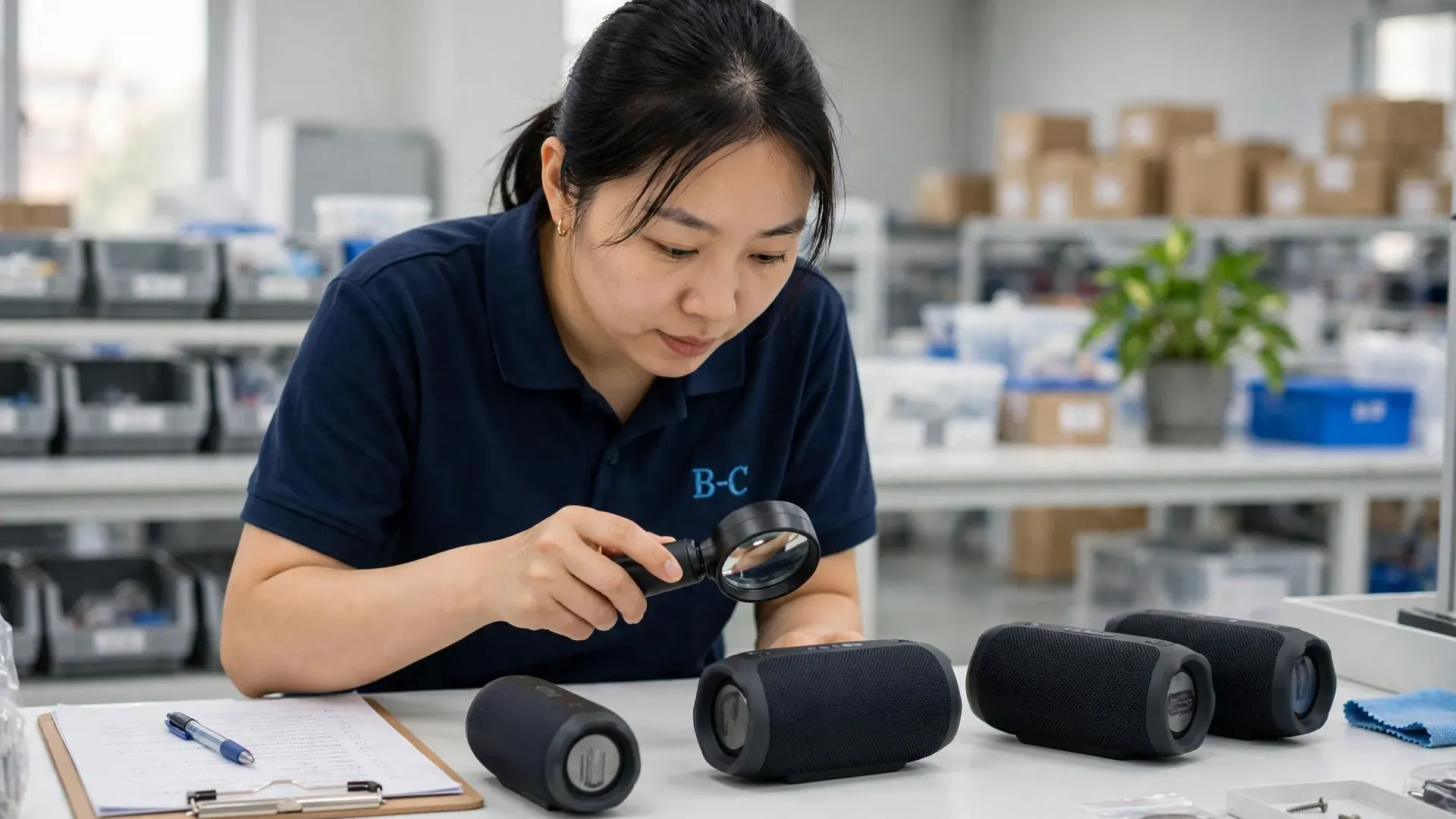
The trip is a logistics and interpretation service, not an endorsement. Seeing a line run with your own eyes is information; it is not a quality guarantee, and it does not replace an inspection of the goods you actually order. A factory that hosts an impressive visit can still ship a batch that fails, which is why inspection and container loading supervision stay separate steps with their own reports. The trip also does not negotiate your prices; the meetings are yours, and the terms you discuss are yours.
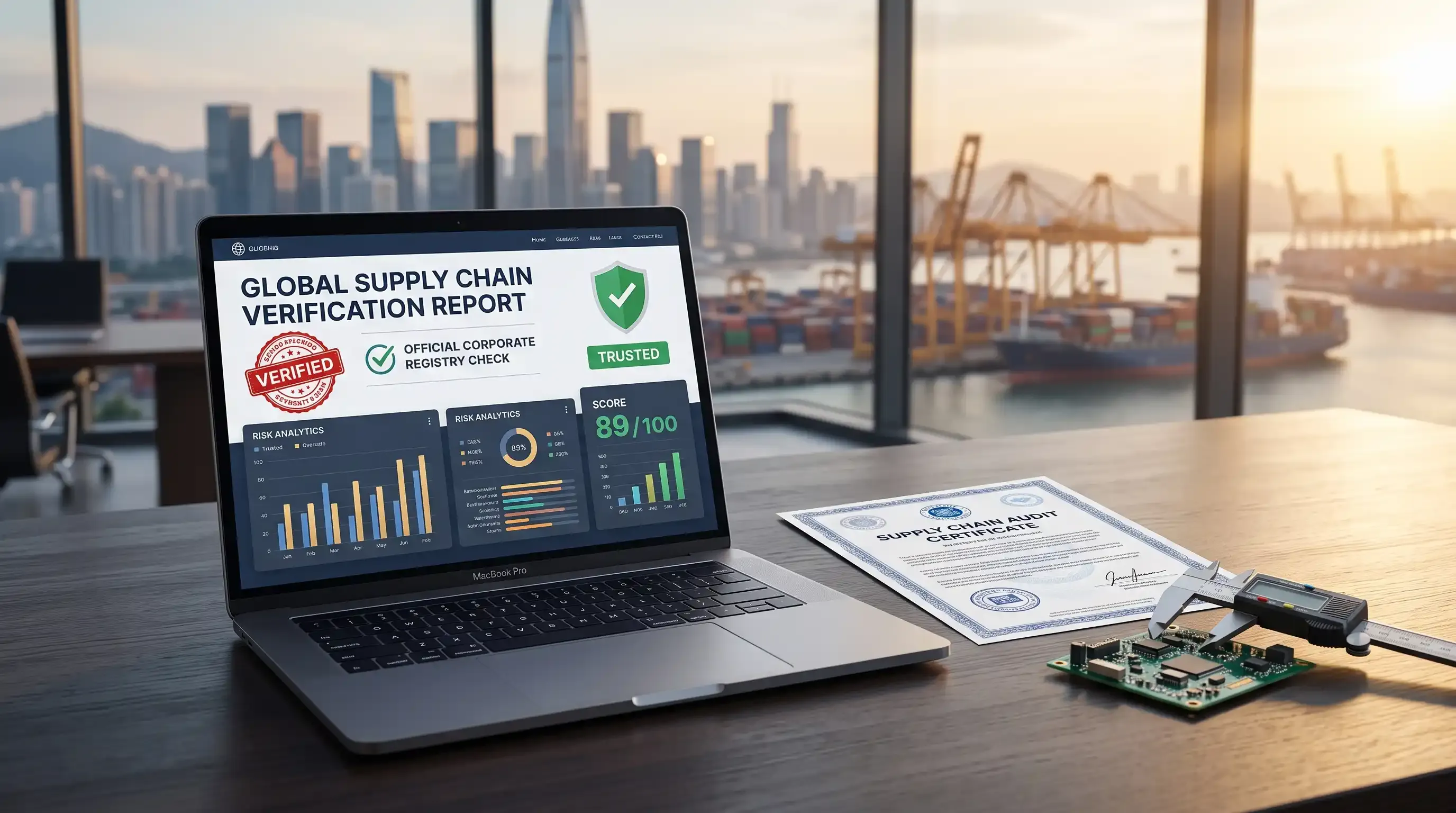
For the same reason, a trip is not a substitute for the document checks that happen before any deposit. The registry reading and the audit are separate services, and doing them first makes the trip time better spent on factories that are worth flying to.
Preparation that makes the trip worth the flights
A trip is expensive in flight time even when the local costs are modest, so the preparation around it matters more than the number of stops. Two checks are worth completing before the dates are fixed. The first is the supplier registry check, because a factory that cannot pass a basic registration review is a poor use of a visit day. The second is the sample stage, because a trip that lands before samples are approved tends to become a showroom tour rather than a working meeting.
The working format also helps. Buyers who get the most out of a trip bring a question list per stop: who owns the line, what capacity is committed to their order, who signs off on quality, and what happens when a shipment fails. We help translate those questions into the meetings and record the answers, so the trip leaves a paper trail instead of a set of impressions. That record is what the following inspection and order stages are checked against.
Cost and booking
The arranged service is USD 200 per day. That covers the planning, the scheduling, the coordination with factories and markets, and a team member accompanying you for the day. Travel costs outside that service — flights, hotels, meals, ground transport, tickets — are reimbursed at actual cost, or paid directly by you, whichever you prefer. We keep this separate from the sourcing commission so the two services stay easy to account for.
Trips are booked by date range, not by stop count. Send us the dates you plan to be in China, the suppliers or markets you want on the list, and whether you want us to add candidate factories. We will come back with a day-by-day plan and the cost split between the service fee and the reimbursables before anything is confirmed.
For sourcing and inspection beyond the trip itself, our B2B sourcing service covers the full chain (/b2b-sourcing). To start with a trip, send the dates and the list through the contact page (/contact-us).