Returns to a US Address, Refurb in China: A Hybrid Returns Flow for DTC Brands
Returns don't have to end in a write-off. Buyers return to a US address; batches come back to a China warehouse for grading, refurbishment and relisting — when the numbers work, and when they don't.
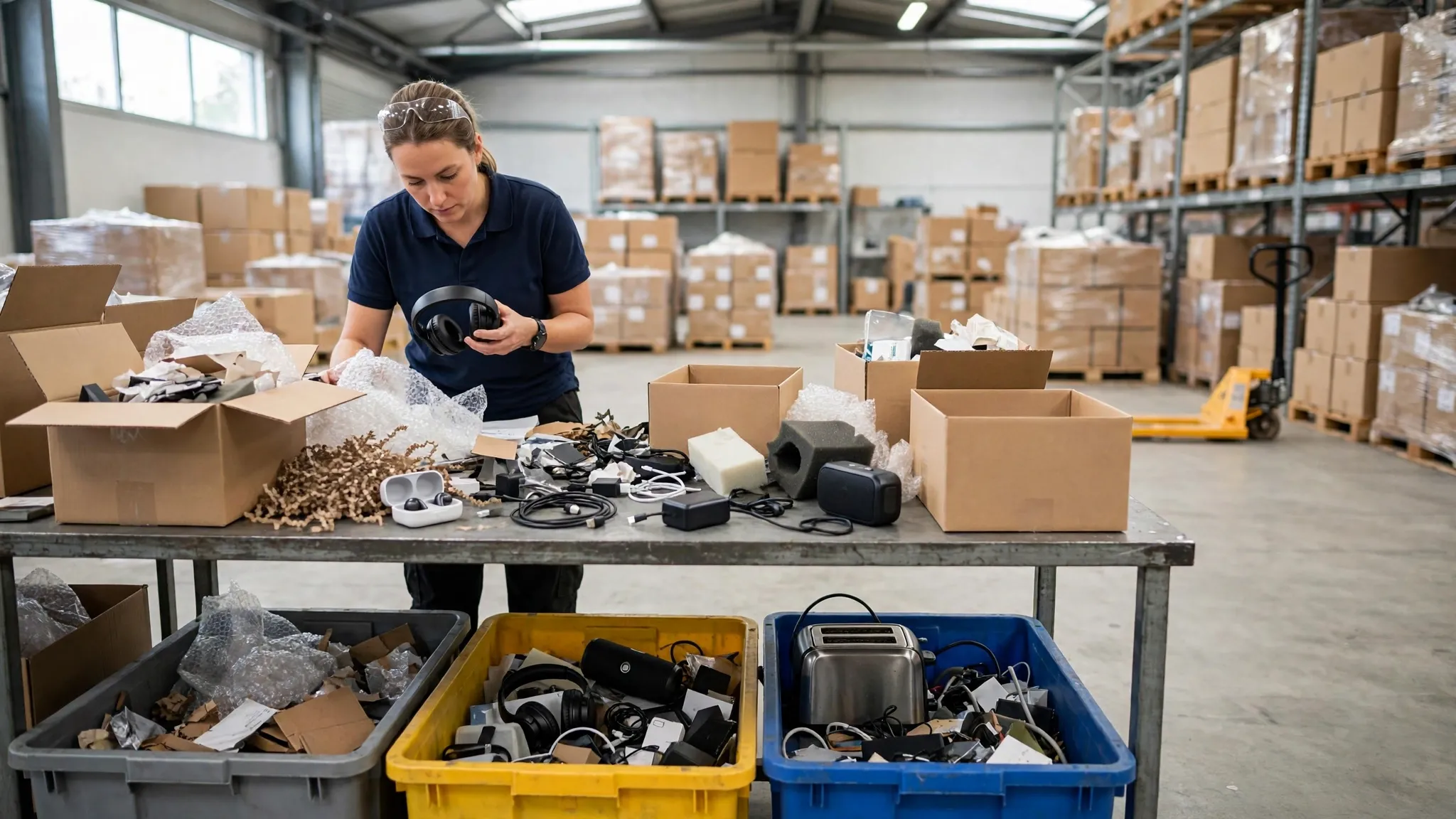
A return is two problems wearing one label. The first is the buyer's problem: they want a local address, a fast refund, and no international shipping form. The second is yours: the unit is now sitting somewhere, it cost you money to get there, and it still has value — if someone on the other end knows what to do with it.
Most DTC brands solve only the first half. They rent a US returns address, the buyer is happy, and the returned units pile up in a domestic warehouse at domestic prices until someone writes them off. The hybrid flow solves both halves: the buyer still returns to a US address, but the units do not stay there. They come back to China in consolidated batches, where the labour, the parts and the bench that can actually restore them are — and where the unit can go back on sale instead of going to a landfill or a liquidator.
This is not a trick for hiding where a product came from. It is a cost decision: pay US prices to store and judge a returned unit, or pay a consolidated freight leg and let a China warehouse do the work it is built for. The rest of this article is how to tell which one wins for your products, and how the flow actually runs.
Why the Buyer Sees a US Address and the Unit Ends Up in China
A return address is a trust signal. A buyer who has to ship a return overseas will hesitate before buying again — or before buying at all. A local address removes that friction at the moment it matters most, right after the sale, when the buyer is deciding whether your store is safe to buy from.
But a local address is only the front door. Behind it, the economics flip. US warehouse labour, US storage and US bench work are priced for US costs. The work a return needs — opening, inspecting piece by piece, grading, cleaning, replacing a part, re-bagging, re-labelling — is labour-heavy and low-margin. In a Shenzhen warehouse that work is the daily routine, done at China costs, by people who handle the same products outbound every day.
So the hybrid flow splits the job by what each side is good at. The US side does one thing: receive, hold, and consolidate. The China side does everything else: inspect, grade, refurbish, re-pack, and put the unit back into sellable stock. Neither side pretends to do the other's job.
One thing to be clear about: the US address in this flow is your local returns point — your own US warehouse, your US 3PL, or a returns consolidator you already use. We do not run a US returns hub. Our side of the flow starts when the consolidated batch reaches our Shenzhen warehouse. If a provider tells you the whole loop happens under one of their roofs on both continents, ask which roof, and who staffs it.
The Flow, Step by Step
1. The buyer returns to the US address. The return label, the refund trigger and the communication are all local. The buyer never fills in a customs form and never waits on an international parcel. This is the part that protects your repeat-purchase rate, and it is worth protecting even if the unit inside turns out to be worthless — the buyer experience and the unit's value are separate decisions.
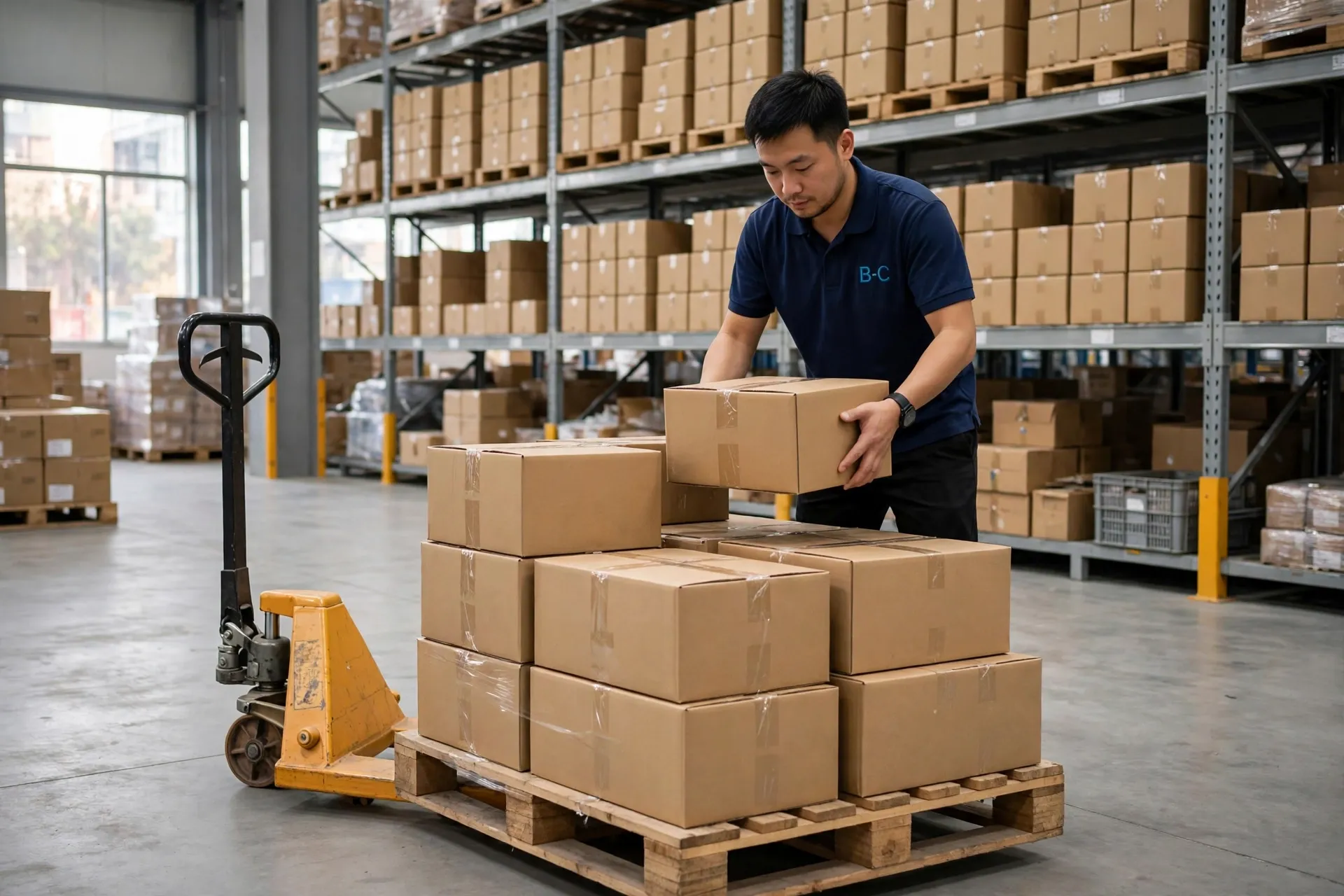
2. The US point consolidates; it does not judge. Returned units are held, counted and packed into consolidated cartons. No grading happens here, no repair, no repacking for resale. The only decision at this stage is when a batch is full enough to ship. Shipping single returns back to China one at a time destroys the economics; shipping a full consolidated carton is what makes the whole flow work. A practical rule is to set a trigger in advance — a full carton, or a fixed cadence such as monthly — and not to make the call unit by unit.
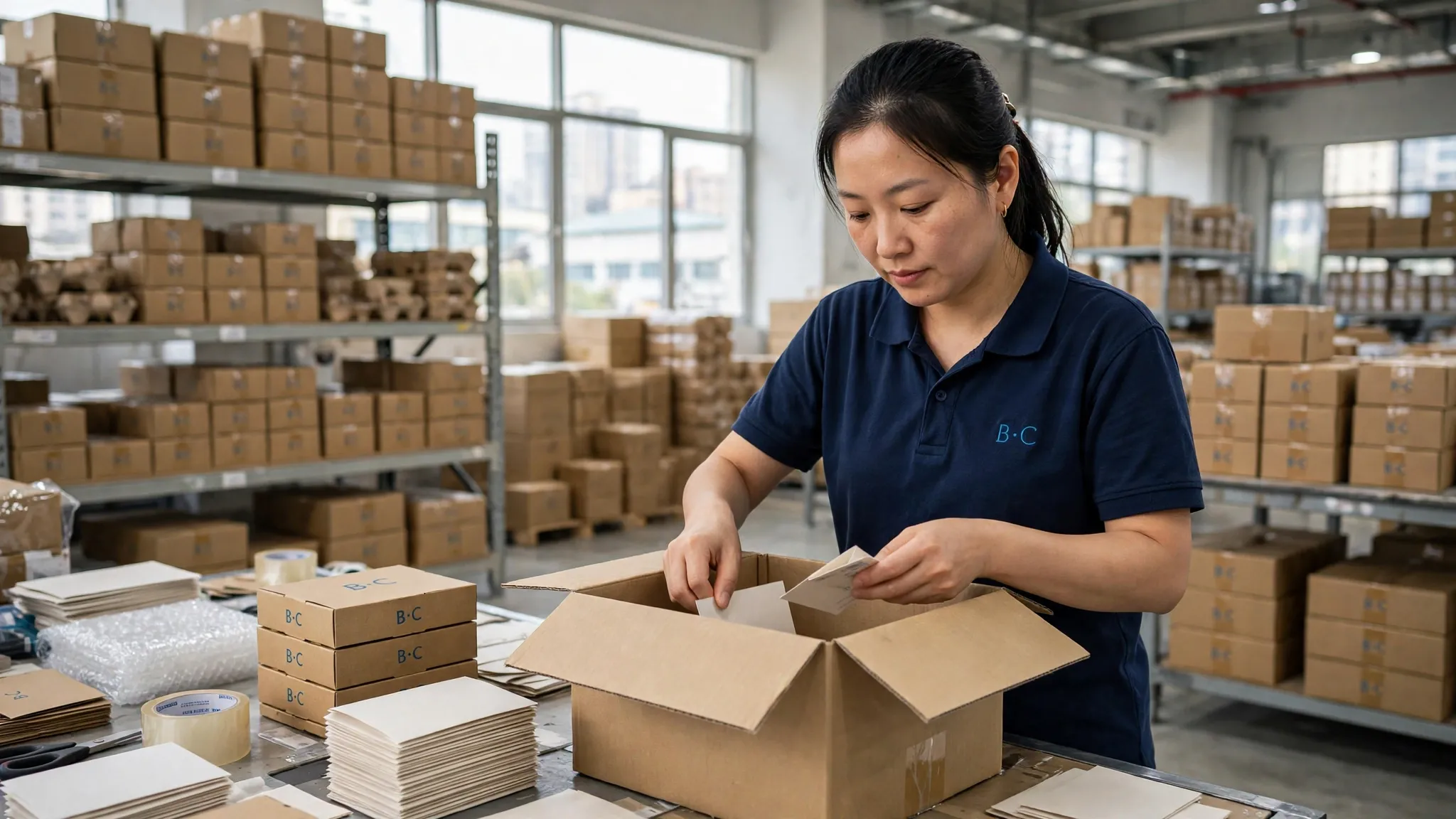
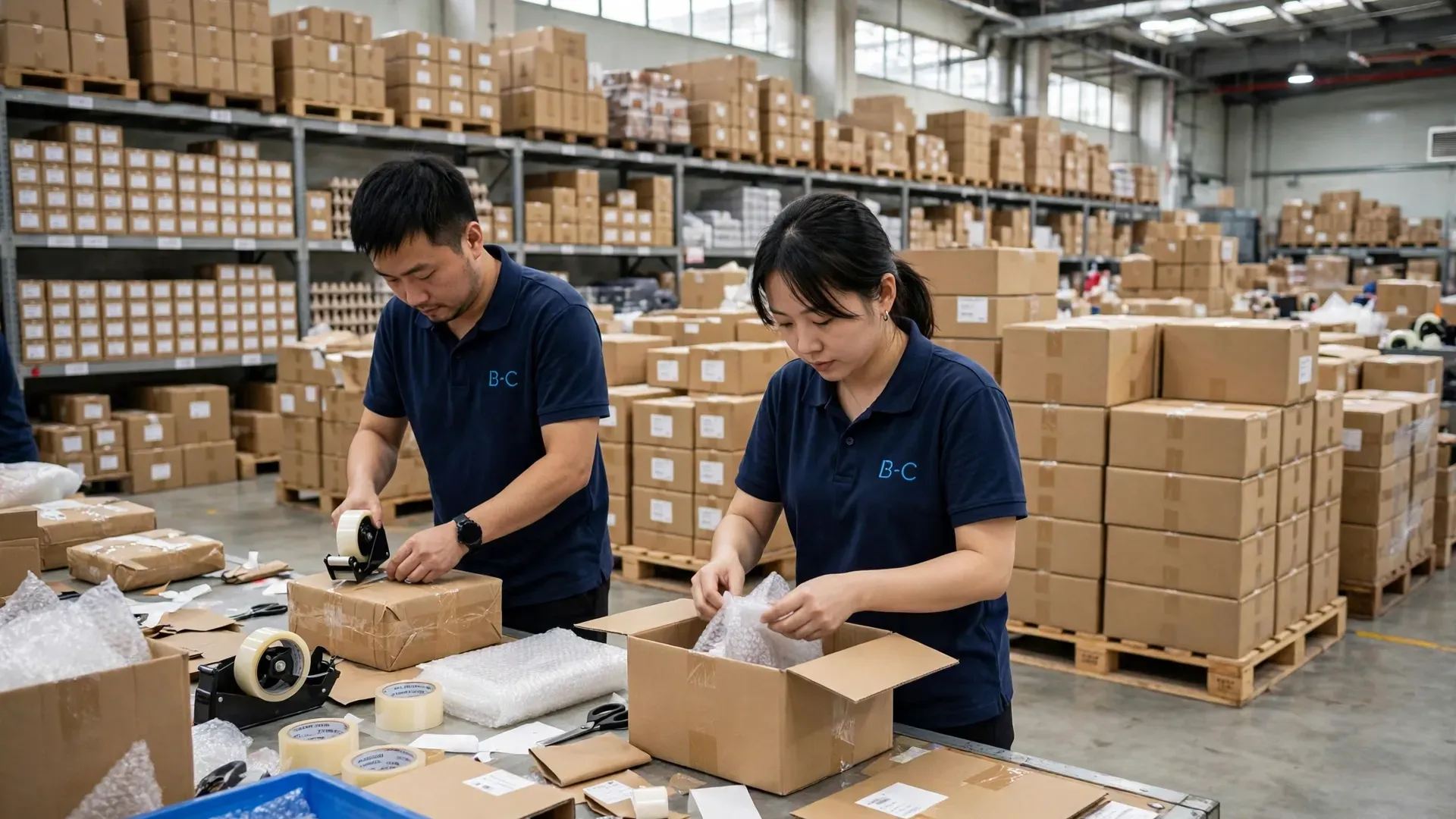
3. The batch arrives at the China warehouse and every unit is graded. This is the same receiving pipeline our returns guide describes: every unit is inspected piece by piece and graded. Grade A is sellable as is. Grade B works perfectly but has cosmetic box damage only. Grade C is defective or damaged and is isolated from inventory. Nothing damaged is ever re-shipped to a new customer. The grade is a description, not a decision — it says what the unit is, and the next step decides what it becomes. See how we grade and restock returns
4. Each unit takes one of four doors. Resell as is, refurbish, harvest for parts, or scrap. The order of the questions matters: first the record (what came back, what is missing, what was replaced), then whether the fix is feasible without hiding a defect, and only then the value of the outcome. A unit that can be sold as is, a unit that needs a part, a unit that becomes parts, and a unit that should never leave the bench again are four different assets, and they deserve four different answers.
5. Refurbished units get a new evidence chain before they go back on sale. A new stock identifier and condition tag, before and after photos with consistent angle and light, and a description that states the condition, what was replaced and what is missing — in plain words, not borrowed from a new-product listing. New stock and refurbished stock never share a shelf or a listing, and each keeps its own stock record. Mixing them is how a used unit gets sold as new and comes back as a complaint. Use repackaging for relisting
6. The unit re-enters stock and the next order ships from China. Grade A units go straight back into active inventory; refurbished units go back once their record is complete. From there the normal outbound flow applies — the same 7–15 working day delivery window we quote for China-shipped orders, with the same packing and labelling discipline. See our guide to refurbishment and relisting
What Refurbishment Can and Cannot Fix
The bench has a physical ceiling, and the ceiling is set by the unit, not by the price you want for it. The reversible work in scope is cleaning, replacing an available part, re-bagging, re-labelling and re-kitting. Cosmetic restoration is in scope when it restores a surface and leaves the structure alone. The work has to be reversible in the sense that matters: a buyer who inspects the unit can see what was done, and nothing about the repair is hidden.
What the bench cannot fix is a longer list. A cracked shell, structural damage, water damage, and any repair that changes what the product is rather than restoring it stay out of the refurbishment queue. So does a repair that hides a defect the inspection already found. We do not turn every category into a repair project, and we do not pretend a bench is a factory.
The test is one sentence: the bench signs off on the unit in front of it, not on the unit it used to be. If a fix cannot survive that standard, it does not go back to stock — even when the arithmetic says it would pay. A fix that changes the product's story has stopped being refurbishment. It is a new product claim.
The Cost Ledger: When the Hybrid Flow Wins — and When It Does Not
The decision is arithmetic, not philosophy. For each returned SKU, compare the full cost of the second sale with the net recovery. The lines in the ledger are labour, replacement part, packaging and label, inbound and outbound freight, holding time, channel cost, expected resale price, expected return risk, and scrap or parts recovery.
The hybrid flow wins when the unit's resale value is high enough to carry a consolidated freight leg and a bench hour, and when the return rate is high enough that the flow runs as a routine instead of an exception. It wins clearly on mid-value electronics, small appliances, and branded goods with replaceable parts — the categories where a cleaned, honestly described unit sells again at a real price.
It does not win on everything. A low-value unit whose resale price barely covers the freight back is better written off or harvested for parts at the US point. A unit with a high return risk — one the next buyer is likely to send back for the same reason — is not a high recovery no matter what the resale price says; it is a bet that the next buyer will accept what the last one did not. And a product whose defect is structural is not a refurbishment candidate at any price.
There is also a cost most sellers forget to put in the ledger: holding time. A unit sitting in US storage while you decide what to do with it is paying rent every week. The hybrid flow only works if the consolidation trigger is set in advance and the batch actually moves. A returns flow with no trigger is just a more expensive warehouse.
What We Can and Cannot Do
We can do the China side of this flow: receive your consolidated return batches at our Shenzhen warehouse, inspect and grade every unit, refurbish what the bench can honestly restore, re-pack and re-label, and put Grade A and refurbished units back into active stock synced to your store. We can receive returns on your behalf, and we handle the evidence chain — label, photos, description — before anything is relisted.
We cannot do the US side for you: the local return address, the consolidation point and the freight leg back to China are yours to arrange with your US warehouse or 3PL, and we will tell you what the batch needs to look like when it arrives (a packing list with product, quantity, colour, photos and dimensions, so we can check stock in against it). Returns handling is charged separately from standard fulfilment, and we do not accept collect-on-delivery returns. And we cannot make a unit sellable that the bench has failed — if the only way to sell it is to describe it as something it is not, it is not inventory. It is a future return.
How to Start: One SKU, One Batch
Do not redesign your whole returns policy on day one. Take your most-returned SKU and send one batch through the flow. You will learn three things from a single batch that no spreadsheet can give you: what share of your returns are actually Grade A or B, what the bench can fix on your product specifically, and what the consolidated freight leg really costs per unit.
Send us the SKU and its return profile through our inquiry form: what the product is, why it comes back, and what usually happens to it once the parcel reaches a warehouse. For that SKU, you get a disposition path, the refurbishment steps that fit it, an evidence checklist to clear before relisting, and a rate card. The warehouse operation behind this work, from inbound check to packing and dispatch, is on our fulfilment page.
A return is not a verdict. It is a unit asking what it can become next — and for a surprising share of them, the honest answer is: sellable again, from China, with its record attached. get a fulfilment quote within 24 hours