Sourcing Guides
Shipping into Shenzhen During APEC Week: Normal for Most Goods, Extra Checks for Sensitive Ones
Shenzhen hosts APEC 18–19 November 2026: parcels into the city face screening until 22 November and trucks face controls 16–20 November. Normal for most goods — extra checks for sensitive ones.
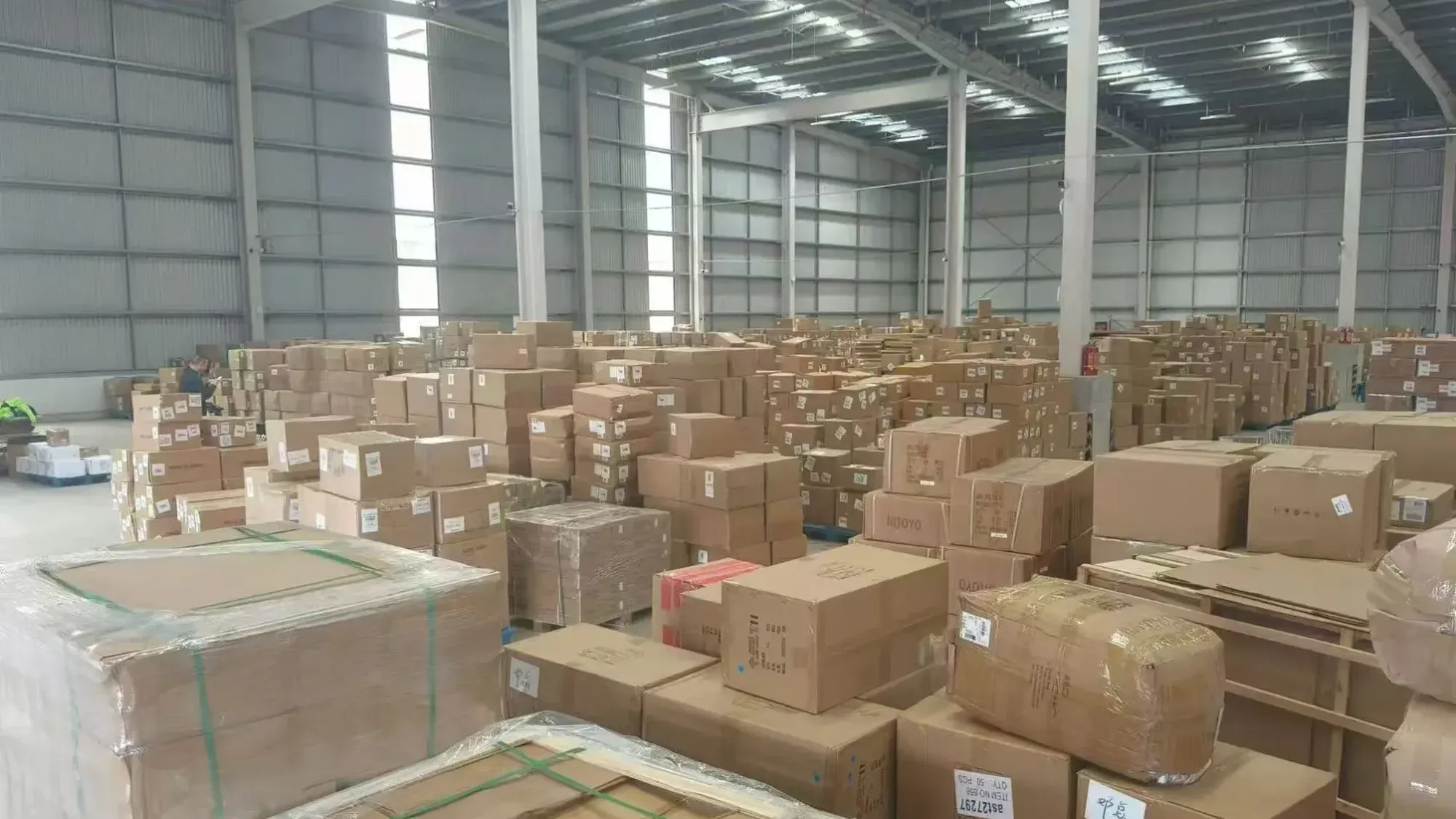
If you ship ordinary goods into or out of Shenzhen this month, the short answer is: business as usual. Shenzhen hosts the 33rd APEC Economic Leaders' Meeting on 18–19 November 2026, with 16–20 November designated as meeting week. Around the meeting there are temporary, dated security measures — screening for parcels addressed into Shenzhen (1–22 November) and short traffic controls in meeting week. For most products, nothing about your shipment changes. The goods that need attention are the ones that were already sensitive before APEC — bladed items, and some batteries, liquids and powders — which may see extra checks or delays, and a few of which cannot move through the Shenzhen parcel channel at all right now.
This article states what is officially in force, what is still only a warning, and what we at B&C Sourcify can and cannot do for you right now. The measures are temporary and dated; check the latest official notice before you ship, because dates and scopes can still change.
What is officially in force
Parcels addressed to Shenzhen: security screening, 1–22 November. The Guangdong Postal Administration announced on 1 November that, from 1 to 22 November 2026, mail and parcels addressed to addresses within Shenzhen are subject to temporary security management. That means X-ray security screening or other necessary security checks. Parcels whose contents do not comply with the parcel security rules will have their delivery service restricted, and the administration states plainly that delivery times may be affected. This applies to parcels going into Shenzhen — including samples, returns and goods sent to a Shenzhen warehouse — not only to outbound e-commerce orders.
Trucks: temporary controls, 16–20 November. The Shenzhen Municipal Public Security Bureau notice of 3 November 2026 sets out the following, all local time:
- Small trucks: banned in Futian, Luohu and Nanshan districts (including expressways inside those districts), 06:00–22:00 on 18–19 November.
- Large trucks: banned on some road sections on 17–18 November, including parts of Yue Liang Wan Avenue, Bei Huan Avenue and the Tanglangshan Tunnel.
- Dangerous-goods vehicles: banned on all roads citywide, all day, 16–20 November.
Non-Shenzhen passenger cars are also restricted in six districts during meeting week, and companies have been encouraged to adopt flexible working arrangements from 16 to 20 November. In practice this means pickups and port transfers in Shenzhen may run a little slower on those few days — a scheduling detail for ordinary cargo, not a stop.
What is a warning, not a confirmed closure
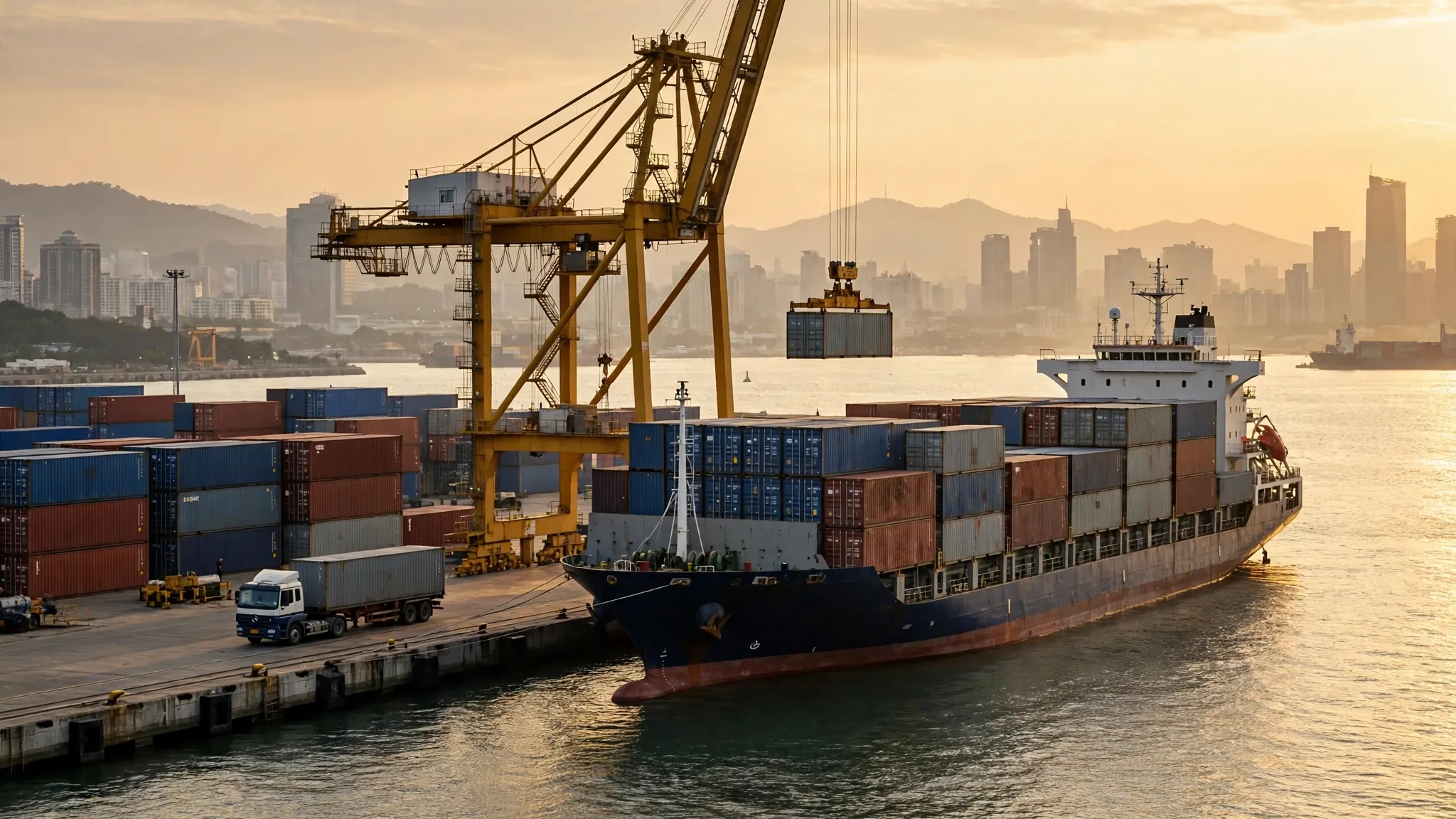
One widely circulated report needs careful reading. Forwarder Dimerco's Asia Pacific Freight Report for November 2026, published 3 November, warned that Shenzhen's container terminals may stop accepting export cargo from 16 to 20 November. That is a warning from a forwarder, not a confirmed port announcement, and it should be treated as a risk to plan around — not as a fact. The prudent response is to confirm gate-in status with your forwarder or terminal before the week begins, and to have a fallback port in mind. Guangzhou and Hong Kong are the usual alternatives for Shenzhen-origin cargo, and some air-freight schedules out of Shenzhen have already been adjusted, with cargo rerouted through Guangzhou or Hong Kong.
Air cargo deserves the same treatment. Shenzhen airport has not announced a general suspension of cargo flights, and ordinary air freight is moving normally. What is tighter is screening: parcels entering Shenzhen face secondary screening, and sensitive goods — batteries, liquids and powders — face a substantially higher risk of being held for re-packaging or extra checks. If your goods fall into those categories, allow for the extra handling time and confirm the declaration documents (for batteries, UN38.3 test summary and MSDS) before the goods leave the factory.
What this means for your orders
For most orders: very little. Ordinary consumer goods, apparel, accessories, most home and pet products — these move on normal timelines, with at most minor scheduling friction in meeting week itself (16–20 November), when some pickups and transfers run slower.
The orders that need a second look are the ones carrying sensitive contents, and they were the same orders that needed care before APEC:
- Sensitive categories — bladed items, and some batteries, liquids and powders: expect extra screening on parcels into Shenzhen, and possible delays if a parcel is held for re-packaging or further checks. A parcel refused at screening can be returned or held, and that delay is hard to recover in peak season. See lithium battery products such as portable power stations.
- Deadline-critical stock — Black Friday falls on 27 November 2026. If your goods are both time-critical and in a sensitive category, the safe play is to have them leave China before 14 November, ahead of meeting week. If your goods are ordinary, normal scheduling applies — no need to rush on APEC's account.
So the checklist is short:
- Check the contents against the restricted list before you book. This matters only for the sensitive categories above — but for them, it matters a lot.
- If it is sensitive and time-critical, ship before 14 November and count backwards from the real deadline.
- Confirm, do not assume, in meeting week. Gate-in status and truck availability can shift day by day on 16–20 November; a same-day confirmation from the carrier or forwarder is worth more than a schedule printed a week earlier.
What we can do — and what we cannot do
We publish this list because saying plainly what we cannot do is part of earning trust.
What we can do right now:
- Source and consolidate your order from factories outside the tightest control zones, and route export through Guangzhou or Hong Kong where that is faster or more reliable than Shenzhen.
- Hold your stock in our Shenzhen/Dongguan warehouse and stage it so that it ships before the control window, or after it, depending on your deadline.
- Check your product against the current restricted-item rules before you order, and tell you the compliant alternative — a different shipping mode, a different port, or a different packaging and declaration — instead of letting the parcel be refused at screening.
- Give you a written quote with the full cost breakdown in advance, including any surcharge that applies during this period. Our fee position is unchanged: costs are stated before you commit, and there are no unclear temporary surcharges added afterwards.
What we cannot do right now:
- We cannot dropship restricted items as single-piece parcels into or out of Shenzhen during this period. Bladed items such as knives are the clearest example: right now, one-piece dropshipping of knives cannot be transported through the Shenzhen parcel channel. The same applies in practice to other items that fail the tightened security screening — including some batteries, liquids and powders shipped as single parcels. This is not a judgement about the product; it is a statement about the channel. If your product is in this group, the compliant route is bulk shipment by sea or by a dedicated line, or stock held in an overseas warehouse — and we will tell you which one fits your order size.
- We cannot guarantee a delivery date for any parcel that must pass through Shenzhen between 1 and 22 November. We can give you the fastest realistic window, build in buffer time, and keep you updated — but a guarantee would not be honest while the temporary screening measures are in force.
- We cannot move dangerous goods by road in Shenzhen at all from 16 to 20 November. That is a citywide ban, not a carrier policy, and no forwarder can work around it.
The bottom line
APEC week is a narrow, dated tightening aimed at specific categories — not a general disruption to shipping through Shenzhen. For most goods, most sellers will notice nothing beyond a slightly slower pickup day or two in meeting week. The measures end — the parcel screening window runs to 22 November, the meeting week to 20 November — and normal operations resume after that. The only importers who need to plan around it are those shipping sensitive items or racing the Black Friday deadline with sensitive cargo: check the restricted list before booking, ship before 14 November where the deadline truly matters, and keep Guangzhou or Hong Kong in mind as a fallback port.
If you have an order in motion, or one you were about to place, send us the product list and the delivery deadline. We will check it against the current rules, tell you honestly whether it can move as planned, and give you a written quote within 24 hours — including what it will cost and what it cannot do.
Get a Factory Quote in 24 Hours — send your product list and target delivery date, and we will confirm feasibility, timing and the full cost in writing. For e-commerce sellers, the same applies to fulfillment: Get a Fulfillment Quote in 24 Hours.
Note: this article reflects the official notices and forwarder reports available on 10 November 2026. The parcel screening measures run 1–22 November 2026 and meeting-week traffic controls run 16–20 November 2026. Confirm the latest notice with your carrier before shipping.