When Customs Sends a Parcel Back: Who Pays, What Happens Next, How to Prevent It
A parcel returned by customs costs time, freight and sometimes the customer. Who pays depends on why it was sent back — and most returns are preventable before the parcel ships.
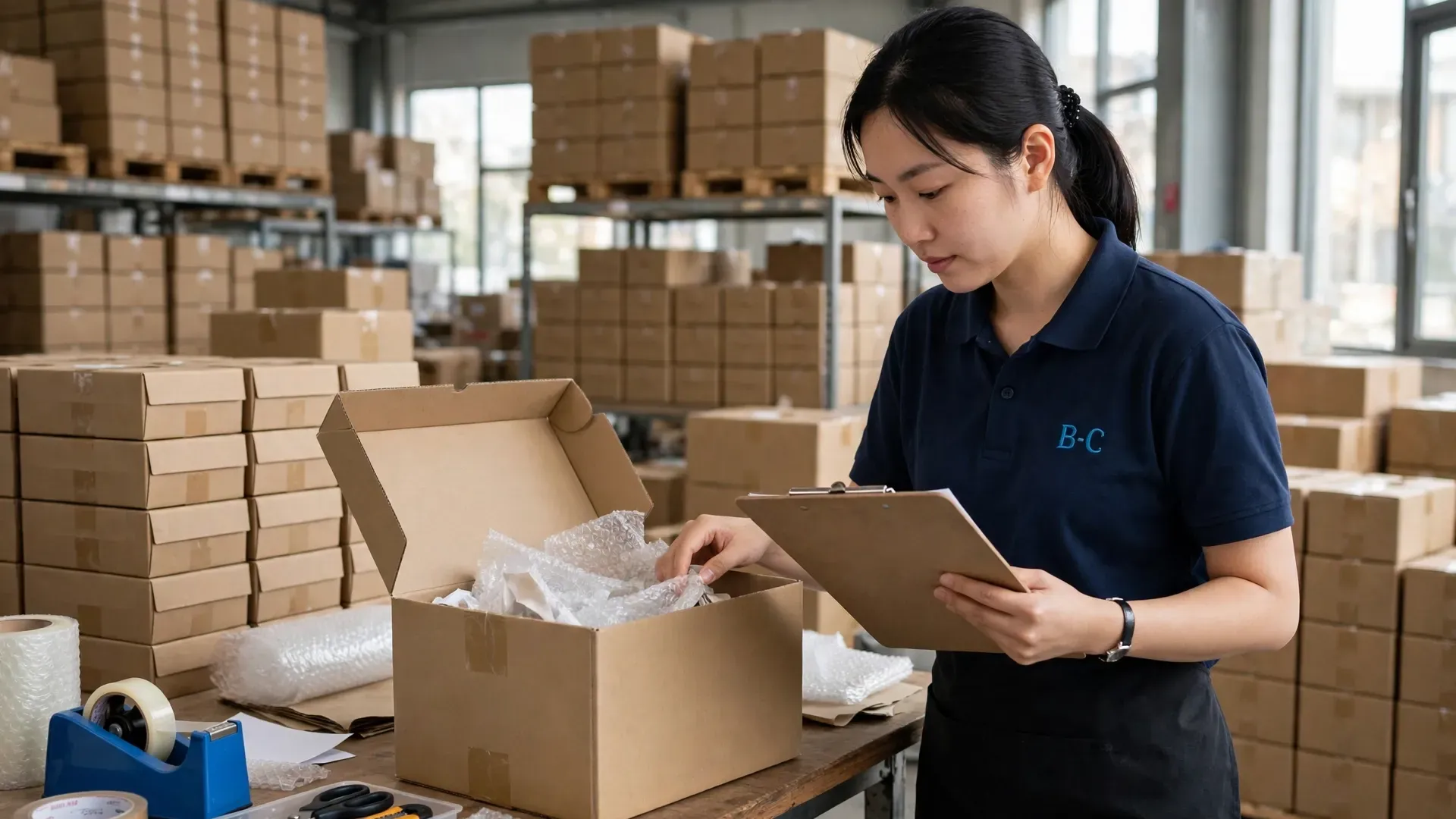
Your customer ordered, you shipped, and then the parcel comes back. Not delivered, not lost — returned by customs. The tracking shows it turning around at the border, and a few weeks later it is back in the warehouse. The first question every seller asks is the same: who pays for this?
The answer depends on why customs sent it back. And in most cases, the return was preventable before the parcel ever left China.
Why customs sends parcels back
Customs returns a parcel for one of a small number of reasons, and knowing which one applies decides everything that follows.
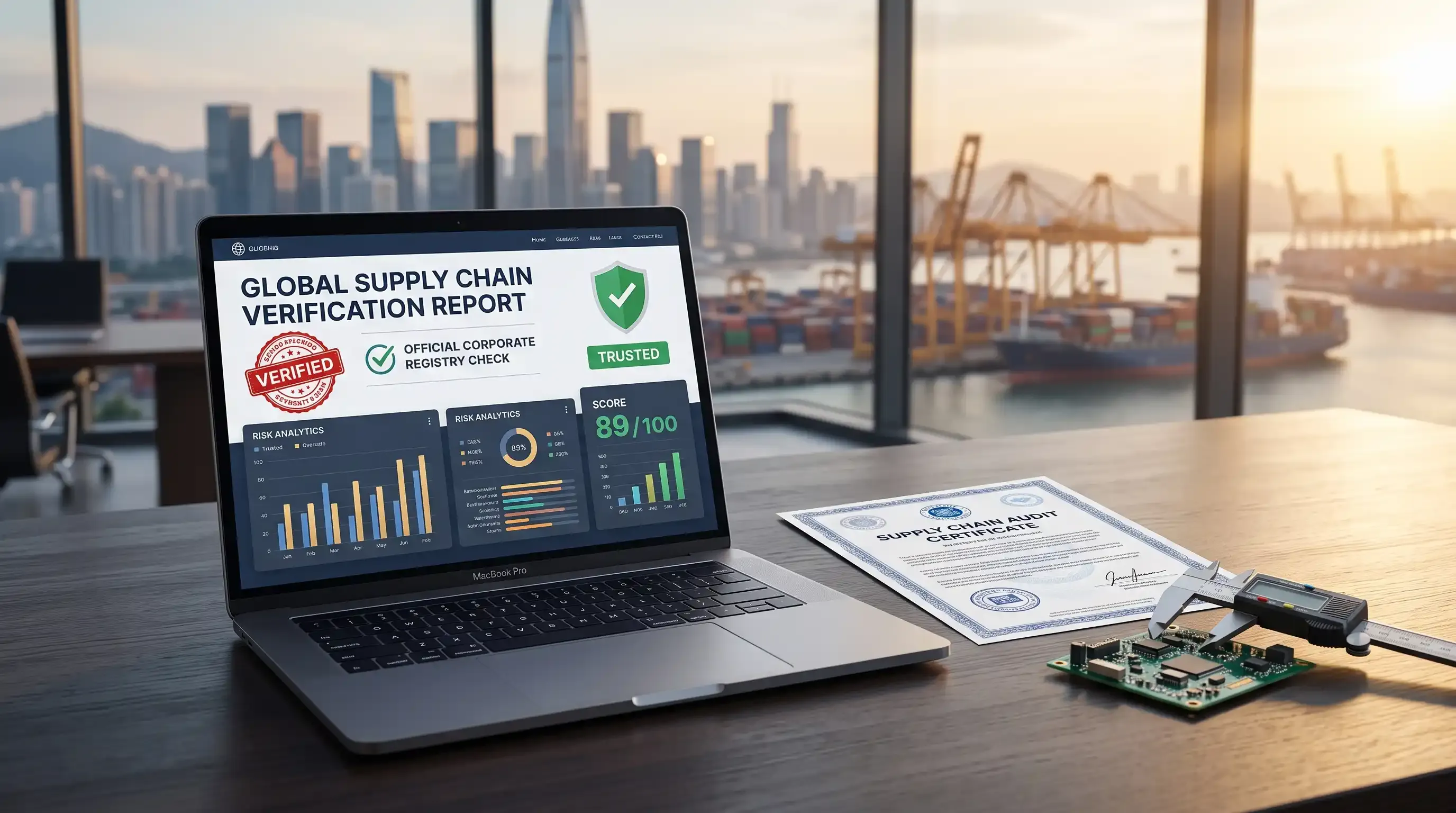
The most common reason is a problem with the declaration: the declared value is wrong, the product description is vague or does not match the contents, or the HS code is incorrect. A parcel declared as "gift" or "sample" when it is a commercial order, or declared at a value far below the real one, is a routine trigger for inspection and return.
The second common reason is a prohibited or restricted item. Every country has a list: batteries above a certain size, liquids, aerosols, knives, certain cosmetics and food products, and anything that needs a licence the parcel does not have. If the contents are not allowed in by that route, customs does not hold the parcel and ask — it sends it back, or in some cases destroys it.
The third reason sits with the recipient: the address is incomplete or undeliverable, the recipient does not respond to a customs notice, or the recipient refuses to pay the duties and taxes due. Some countries give the recipient a short window to pay or provide documents, and if nothing happens, the parcel goes back.
The fourth reason is paperwork: a missing invoice, a missing certificate for a regulated product, or a declaration in the wrong format for that destination. The goods themselves are fine — only the paper is wrong.
Customs rarely explains its decision in detail on the tracking page. Ask the carrier for the return reason in writing before you decide what to do next.
Who pays for a returned parcel
There is no single rule. Who pays depends on three things: the cause of the return, the shipping terms you sold under, and the policy of your carrier or fulfilment partner.
Return freight is almost never free. When customs sends a parcel back, the carrier charges for the return leg, and that charge usually falls on the sender. Some carriers bill the return freight automatically; others hold the parcel until it is paid. If the parcel was returned because the recipient refused to pay duties, the sender still pays the return freight in most cases, because the carrier's contract is with the sender, not the recipient.
Duties and taxes are a separate question. If the parcel was sent DDP — duties paid by the sender — and it is returned, the duties paid are generally not refunded. If it was sent DAP — duties paid by the recipient — and the recipient refused to pay, there is no duty to refund. Either way, the sender still pays the return freight.
What about the customer? If the parcel was returned because of an error on your side — a wrong declaration, a prohibited item, a missing document — the customer is entitled to a full refund including the original shipping cost. If it was returned because the customer refused to pay duties they were told about at checkout, or gave an undeliverable address, some sellers charge a restocking or return-freight fee — but check the consumer rules in that market first. A chargeback is likely if the customer feels the cost was hidden from them.
The practical rule is simple: the seller pays for the return unless the buyer caused it, and even then, the seller pays first and recovers the cost only if the store policy and local law allow it. Build the cost of occasional returns into your pricing rather than trying to recover it from an unhappy customer.
If you want a fulfilment partner that declares correctly and handles returns properly, get a fulfillment quote in 24 hours — tell us the destination countries and product types, and we will set the declaration and duties handling before your first order ships.
What happens to the parcel after it is returned
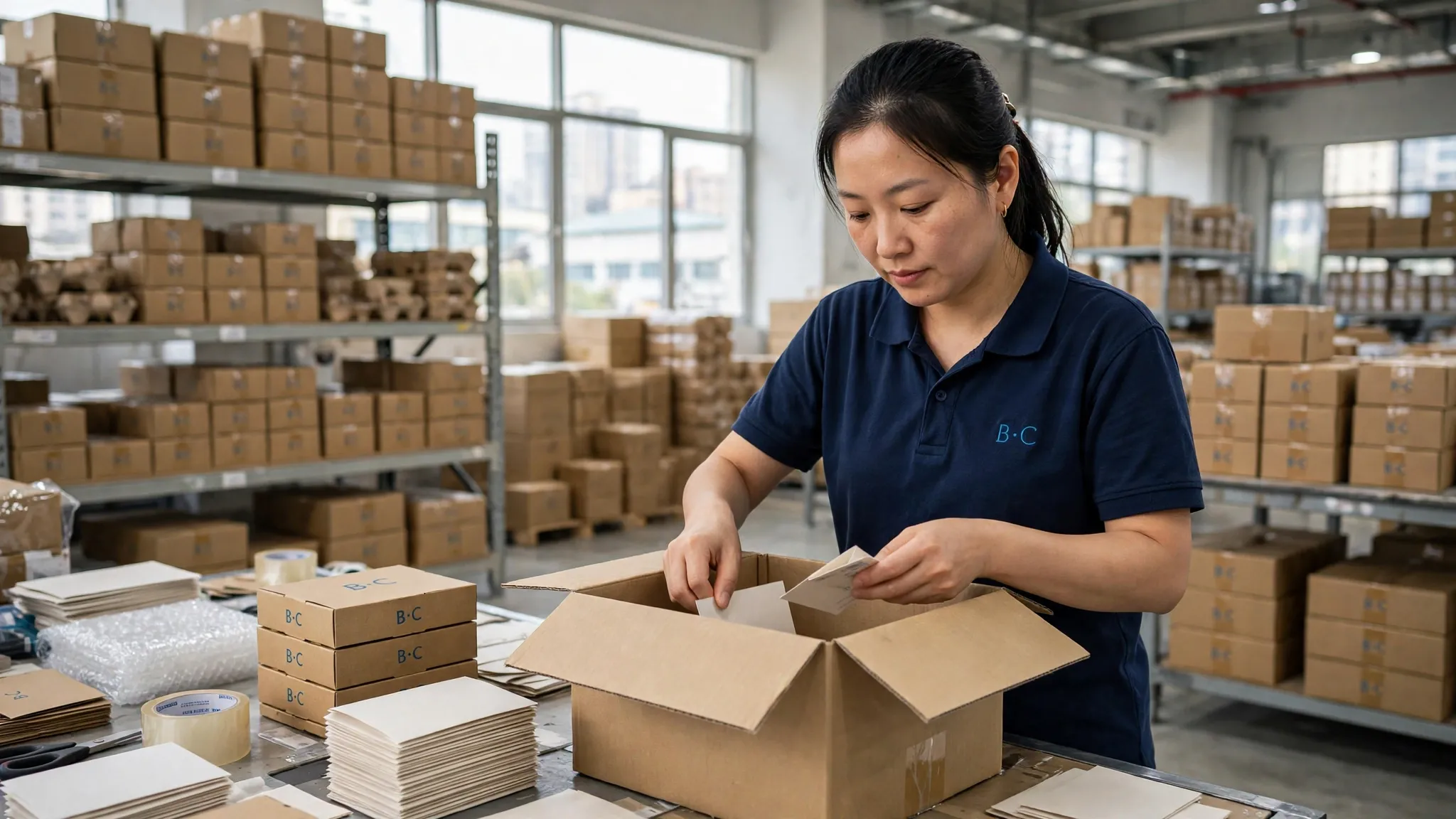
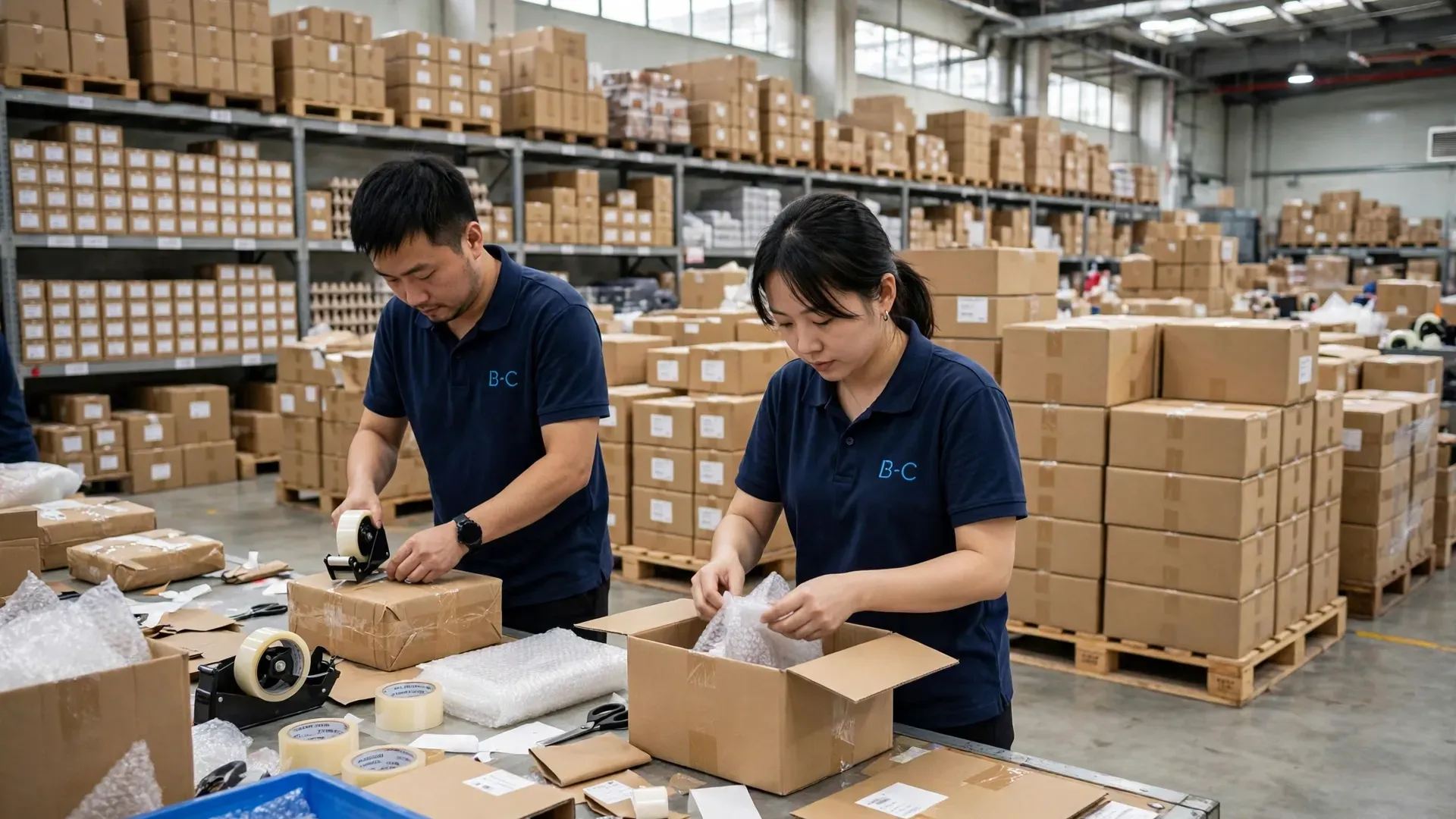
A returned parcel does not simply reappear on a shelf. It arrives back at the warehouse weeks after it left, often with the outer carton opened for inspection and the contents disturbed. Before it can be resold or reshipped, it needs to be received, opened and checked against the packing list: is everything inside, is anything damaged, is the packaging still presentable?
If the goods are intact and the packaging is undamaged, the parcel can usually be reshipped to the same customer — after the cause of the return is fixed — or to another customer. If the packaging is damaged, the goods may need repacking, and a product sold as new should not be reshipped in a damaged box without telling the customer.
If the goods cannot be reshipped, the warehouse needs an instruction: hold it, return it to the supplier, or dispose of it. Agree this in advance with your fulfilment partner.
How to prevent most customs returns
Most customs returns are preventable, and the prevention happens before the parcel ships.
Declare accurately. Write a clear, specific product description, not a vague category. Declare the real transaction value. Use the correct HS code for the product, not the code that produces the lowest duty. A declaration that is honest and specific passes through customs faster than one that is optimised to look cheap.
Check the restricted list for the destination before you ship. Batteries, liquids, powders, magnets, knives, certain electronics and certain cosmetics have different rules in different countries, and the rules change. If a product cannot go by air to a particular country, do not ship it by air and hope customs does not notice — it will notice, and the parcel will come back at your expense.
Tell the customer about duties before they pay: if the parcel is sent DAP and duties are due on arrival, the customer needs to know that at checkout — not when the courier calls asking for payment. A customer who was warned is far more likely to pay; a customer who was surprised is far more likely to refuse.
Make sure the address is complete and deliverable, including the recipient's phone number and, where required, a tax ID. Keep the paperwork with the parcel: a commercial invoice inside and outside the carton, the right certificates for regulated products, and a declaration that matches the contents exactly. When customs opens a parcel and the paper matches what is inside, the parcel moves on. When it does not, the parcel goes back.
What we can and cannot do
We can check the declaration for every order before it ships, confirm the HS code and declared value against the product, screen the destination's restricted list, verify the address format, and tell you in advance whether a product can go to a particular country by your chosen route. When a parcel is returned, we can receive it, check the contents, report the damage, and hold, repack or reship it on your instruction.
What we cannot do is guarantee that customs in any country will accept a parcel. Customs makes its own decisions, and a parcel declared correctly can still be inspected, delayed or returned if the destination's rules change or an officer exercises discretion. We also cannot recover return freight from the carrier after the fact, or make a recipient pay duties they refused. What we can do is keep the number of returns low by getting the declaration and the paperwork right before the parcel leaves — and deal with the returns that do happen quickly and transparently, so one failed delivery does not become a lost customer.
The bottom line
A parcel returned by customs is rarely bad luck. It is usually a declaration error, a restricted item, an undeliverable address, or a customer who was not told about duties. The seller pays the return freight in almost every case, and the cheapest way to deal with that cost is to prevent the return in the first place.
Before your next batch of orders ships, check the declaration on one parcel the way customs will: is the description specific, is the value real, is the code correct, is the product allowed in, and does the customer know what they will be asked to pay on arrival? If the answer to any of those is no, fix it before the parcel leaves. A few minutes of checking is cheaper than a parcel that travels to the border and back.
If your orders are going to multiple countries and you want the declaration, duties and returns handling set up properly, get a fulfillment quote in 24 hours — send us your product list and destination countries, and we will confirm what can ship where, and how returns are handled when they happen.
Related: B2C Fulfillment from China — single-piece dropshipping, full inspection, customs declaration and returns handling from our Shenzhen warehouse.