Walmart Marketplace from China: WFS vs Self-Fulfilled Delivery Standards
WFS ships it for you — and takes the delivery metrics with it. Self-fulfilled keeps control, but Walmart grades every order. Which route fits a seller shipping from China?
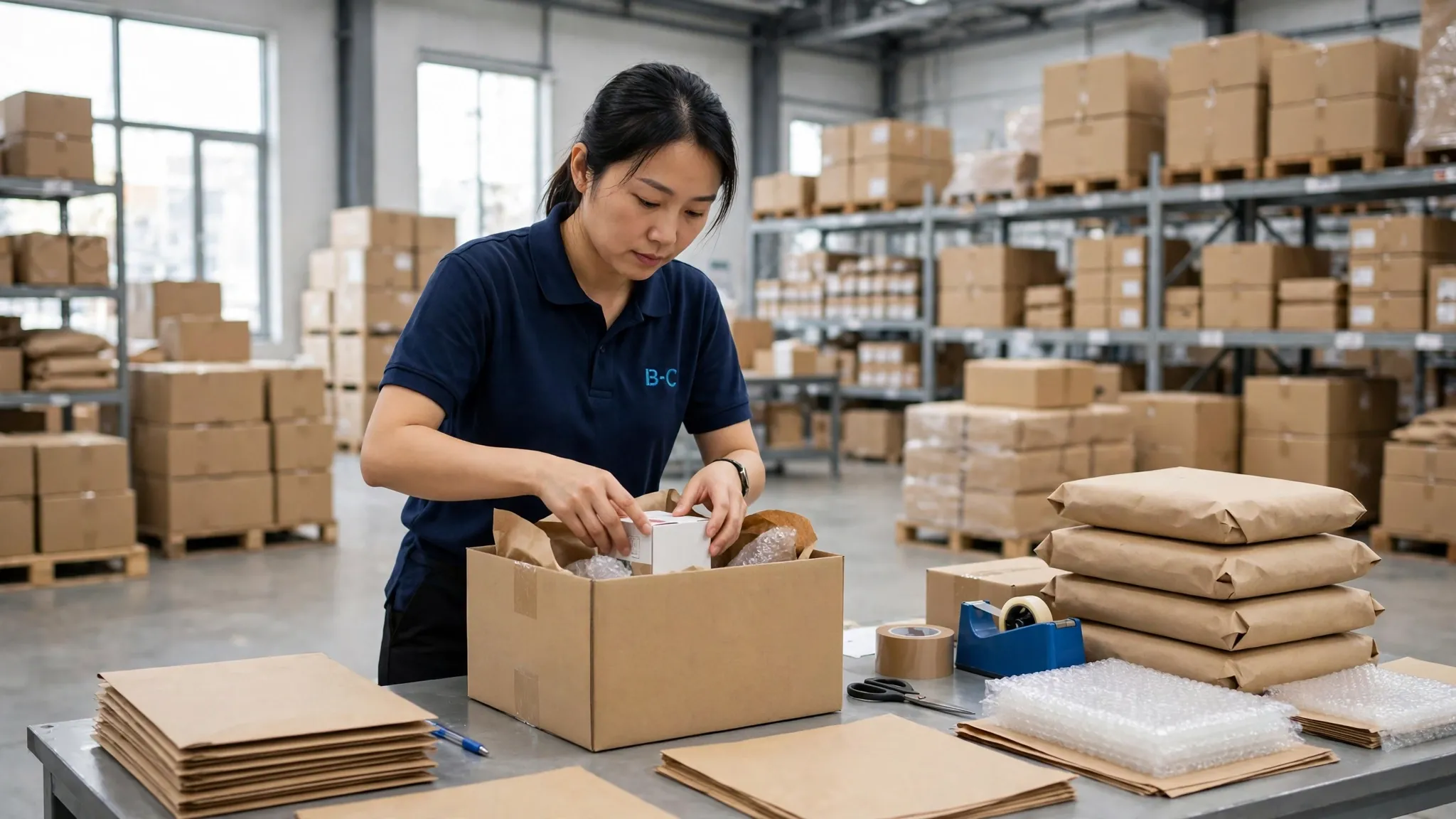
Walmart Marketplace is the fastest-growing large marketplace many China-based sellers have not yet taken seriously. It is smaller than Amazon, but it is also less crowded, its customers expect Walmart's two-day delivery standard, and its rules for sellers are written down in unusual detail. For a seller shipping from China, the first decision is not which product to list. It is how the order gets to the customer — through Walmart Fulfillment Services (WFS), where Walmart does the shipping, or seller-fulfilled, where you do.
The two routes are not just different operations. They carry different delivery standards, different performance measurements, and different risks for a seller whose stock starts its journey in Shenzhen. Choose the wrong one and the problem is not a higher fee. It is a performance score that quietly slides below Walmart's line — and then the listings lose visibility, or the account gets a warning.
The two routes, in plain terms
Walmart Fulfillment Services (WFS) is Walmart's own fulfilment programme for Marketplace sellers. You send inventory to a Walmart fulfilment centre in the United States. When a customer orders, Walmart picks, packs and ships the item, and handles customer support and returns for that order. Most WFS items carry a TwoDay delivery tag; larger items carry a three-day-or-more tag. There is no signup fee and no monthly subscription fee for WFS, and no inventory minimum. The charges are a fulfilment fee per order and a storage fee per cubic foot per month.
Seller-fulfilled means you ship each order yourself — from your own warehouse, or from a third-party logistics provider (3PL) working on your behalf. You are accountable for delivery speed, tracking, and returns. Walmart's seller requirements call for either a US-based warehouse with returns capability that can meet its performance standards, or the use of WFS. That single requirement shapes most of the decisions below: a seller with no US presence at all cannot simply ship every order direct from China and expect to pass.
A third option sits between the two: a 3PL in the United States that receives your bulk stock from China, stores it, and ships seller-fulfilled orders on your behalf. It is still seller-fulfilled in Walmart's eyes — the metrics are yours — but the warehouse is local, which is what makes the delivery standards achievable.
The standards Walmart actually measures
Walmart publishes its Seller Performance Standards, and it enforces them on a rolling basis. For seller-fulfilled orders, the thresholds as published in 2026 are:
On-time delivery rate: 90% or above. This is the metric that causes the most trouble, because Walmart measures whether the order arrived by the estimated delivery date — not whether you shipped it on time. A parcel that left your warehouse promptly but arrived a day late still counts against you.
Valid tracking rate: 99% or above. Almost every order must carry valid tracking that the customer can follow. This is stricter than Amazon's 95% requirement, and it leaves almost no room for untracked or partially tracked shipments.
Cancellation rate: 2% or below. Orders you cancel — including orders cancelled because the item is out of stock — count against you.
Late shipment rate: 5% or below. Orders shipped after the promised ship date.
Seller response rate: 95% or above, with messages answered within 48 hours.
Negative feedback rate: 2% or below, measured over 60 days.
Return rate and item-not-received rate are monitored, with thresholds published by Walmart.
These numbers look forgiving until you do the arithmetic. On 200 seller-fulfilled orders a month, five cancellations is 2.5% — already over the standard. A single bad week of late deliveries can push on-time delivery below 90% for the whole rolling 30-day window. And because the windows roll, a bad month does not disappear on the first of the next month; it takes a full month of clean performance to wash out.
Walmart added new metrics in early 2026, with enforcement from April 2026, and it also runs the Pro Seller programme, which rewards sellers who hold higher standards — higher on-time delivery, lower cancellations, faster shipping across more of the catalogue — with better visibility. The direction of travel is clear: the bar rises, and sellers who treat delivery standards as a one-time setup rather than an ongoing discipline fall behind.
What WFS changes — and what it does not
Using WFS changes the performance math entirely. WFS-fulfilled orders are exempt from the fulfilment-related performance measurements: cancellation rate, on-time delivery, valid tracking, and delivery-related refund measures all shift to Walmart's responsibility. If the problem is late deliveries, moving those SKUs to WFS stops the leak.
The exception is the negative feedback rate. A bad product is a bad product regardless of who ships it, and Walmart still holds the seller accountable for one- and two-star ratings. WFS also does not help with inaccurate listings, poor packaging before the goods reach the fulfilment centre, or quality problems at the manufacturing level. A listing with wrong dimensions, a box that arrives damaged because it was packed badly in China, or a product that fails in use — all of those remain the seller's problem.
WFS has its own limits. Items must weigh up to 500 lb and measure no more than 120 x 105 x 93 inches including packaging, cannot need temperature control, and must be allowed under the WFS and Marketplace prohibited-products policies. Inventory must ship to Walmart from within the United States or clear customs before arriving — you cannot send a container direct from China to a WFS centre and expect Walmart to handle the import. And WFS adds a per-unit surcharge on items priced under $10, which is why Walmart's own guidance steers sellers toward items over $15, or toward bundling cheaper items so the order value justifies the fulfilment cost. WFS orders over $35 qualify for free shipping to the customer, which is part of why the TwoDay tag converts well.
The honest way to think about WFS is this: it buys you delivery performance and the TwoDay badge, at a per-order cost, for the SKUs that sell fast enough to justify keeping stock in a Walmart centre. It does not buy you product quality, listing accuracy, or freedom from the feedback metric.
What self-fulfilled demands from a China-based seller
Self-fulfilled is cheaper per order when it works, and it keeps full control of the inventory, the packaging and the customer experience. But from China, it demands a setup that most new sellers underestimate.
You need stock in the United States. The only realistic way to hit a 90% on-time delivery rate and 99% valid tracking from a China base is to hold inventory in a US warehouse — your own, or a 3PL's — and ship domestically. Direct-from-China shipping to a Walmart customer can take 7 to 15 working days, which cannot meet a TwoDay or ThreeDay delivery promise, and the tracking on a cross-border parcel often does not scan cleanly enough to count as valid. A seller who tries to fulfil Walmart orders direct from a China warehouse will fail the on-time delivery standard in the first month.
You need a returns address in the United States. Walmart requires a US return address for unsellable items, and customers expect to return locally. Returns sent back to China are slow, expensive, and often abandoned — which turns into negative feedback and item-not-received disputes.
You need to ship within two operational days. Walmart expects seller-fulfilled orders to leave the warehouse promptly, and late shipment is measured against the promised ship date. That means the warehouse must pick and pack the same day or the next, every day — including weekends, where the delivery promise counts them.
You need to watch the metrics weekly. The rolling windows mean a problem compounds quietly. A seller who checks performance once a month will discover a breach weeks after it started. The sellers who hold their standards check the Performance dashboard in Seller Center every week and act on any metric approaching its line — reallocating stock, pausing a slow SKU, or moving a problem product to WFS before the metric tips over.
None of this is a reason to avoid self-fulfilled. It is a reason to set it up properly: US stock, a real returns process, a warehouse that ships daily, and someone watching the dashboard. The sellers who fail at self-fulfilled are usually the ones who treated it as "ship it from China when the order comes in" — which is not a fulfilment strategy, it is a hope.
Which route for which seller
The choice is not a matter of taste. It follows from what you sell, how fast it sells, and what infrastructure you already have.
Choose WFS when: the product is a proven seller with steady volume, the item price is above $15 or the item bundles well above it, and the TwoDay badge is likely to win the buy box against competing listings. WFS is also the right answer when your self-fulfilled metrics are slipping and the problem is delivery, not product quality — move the fast movers to WFS first, where the performance relief is immediate, and fix the operation behind the slow movers.
Choose seller-fulfilled through a US 3PL when: you sell across several channels — Walmart plus Shopify, Amazon or TikTok — and you want one pool of inventory serving all of them, rather than splitting stock between Walmart's centres and everywhere else. A 3PL also fits oversized, heavy or unusual items that fall outside WFS limits, and products where branded packaging or a custom unboxing experience matters, since WFS ships in Walmart packaging. The trade-off is that the metrics stay yours, so the 3PL has to perform — daily shipping, valid tracking on every order, and a returns process that works.
Choose a hybrid when: your catalogue is mixed. Fast-moving, standard-sized items go to WFS for the badge and the metric relief. Slow-moving, oversized or heavily branded items stay seller-fulfilled through a 3PL. New products start seller-fulfilled — small quantities, no commitment to Walmart's storage — and move to WFS once they prove they sell. Most established Walmart sellers end up here, because no single route fits every SKU.
Do not choose direct-from-China fulfilment for Walmart orders. The delivery promise cannot be met, the tracking standard cannot be met, and the returns process cannot work. The same model that serves a Shopify store — where the seller sets the delivery window — fails on a marketplace that sets the window itself and grades you on it. China is where the goods are sourced, packed and quality-checked. The United States is where Walmart orders are shipped from.
The China-side work that makes either route work
Whichever route you choose, the work in China is the same — and it is where a sourcing and fulfilment partner earns its keep.
First, quality control before the goods leave China. WFS does not fix a bad product, and the negative feedback metric follows you on every route. Full inspection in the China warehouse — checking the product, the packaging and the labelling against the approved sample — is what keeps the feedback rate under 2%.
Second, compliant packaging and labelling for the US market. WFS requires unit labels and a shipping plan before inbound; seller-fulfilled orders need retail-ready packaging that survives a domestic parcel journey. Barcodes, warning labels and the correct country-of-origin marking all have to be right before the goods ship from China, because fixing them in a US warehouse costs far more.
Third, consolidated shipping to the US warehouse. Whether the stock is bound for a WFS centre or a 3PL, shipping it as a consolidated bulk shipment from China — one freight booking, one customs clearance — is far cheaper per unit than sending it parcel by parcel. The decision is when to send it: early enough to stay in stock, late enough to avoid months of storage fees.
Fourth, inventory discipline. WFS charges storage per cubic foot per month, with long-term storage fees for stock that sits too long. A 3PL charges storage too. Either way, stock that does not sell is a cost, and the sellers who manage Walmart well are the ones who watch sell-through by SKU and pull slow stock before the storage bill grows.
What we can and cannot do
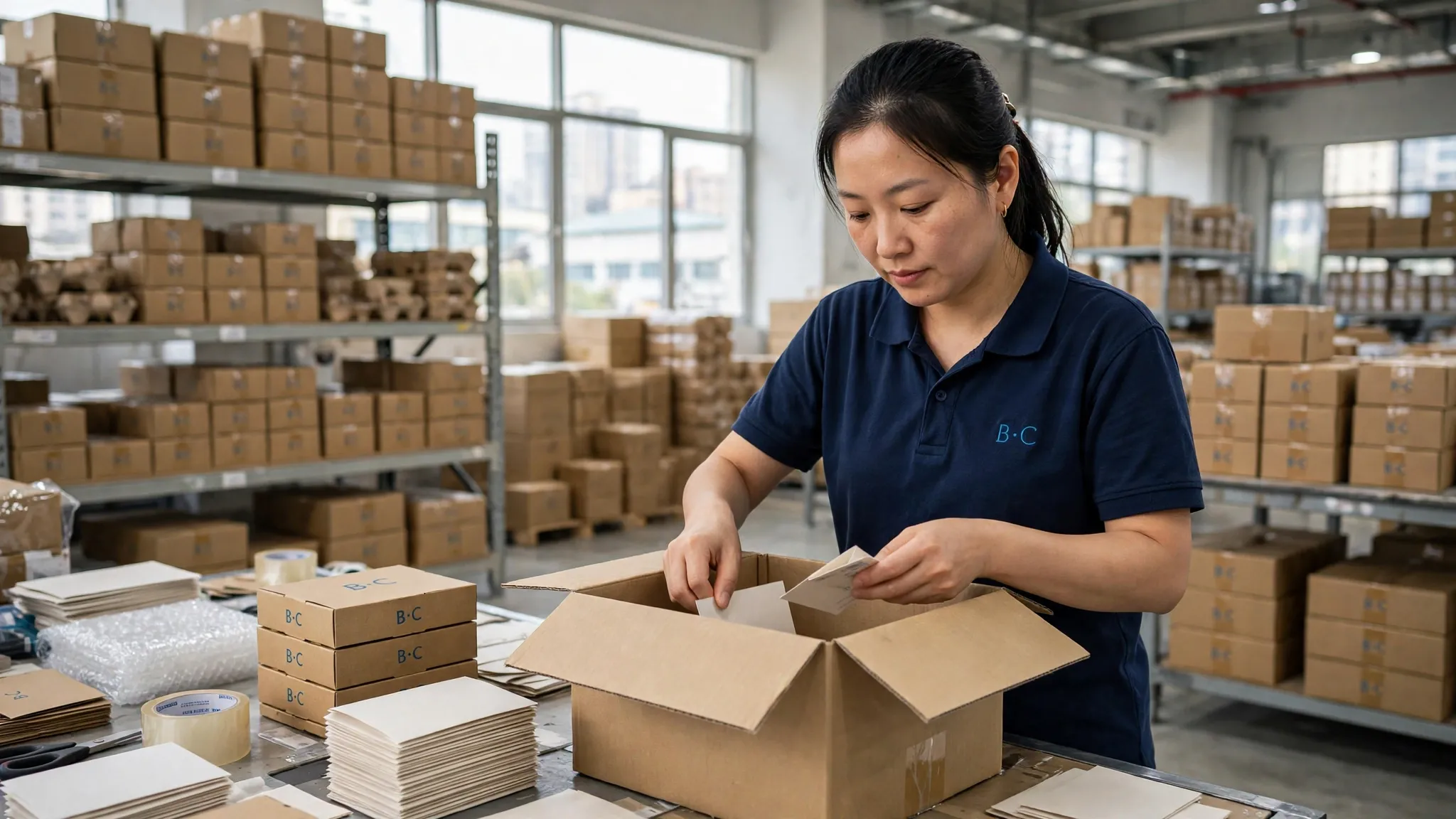
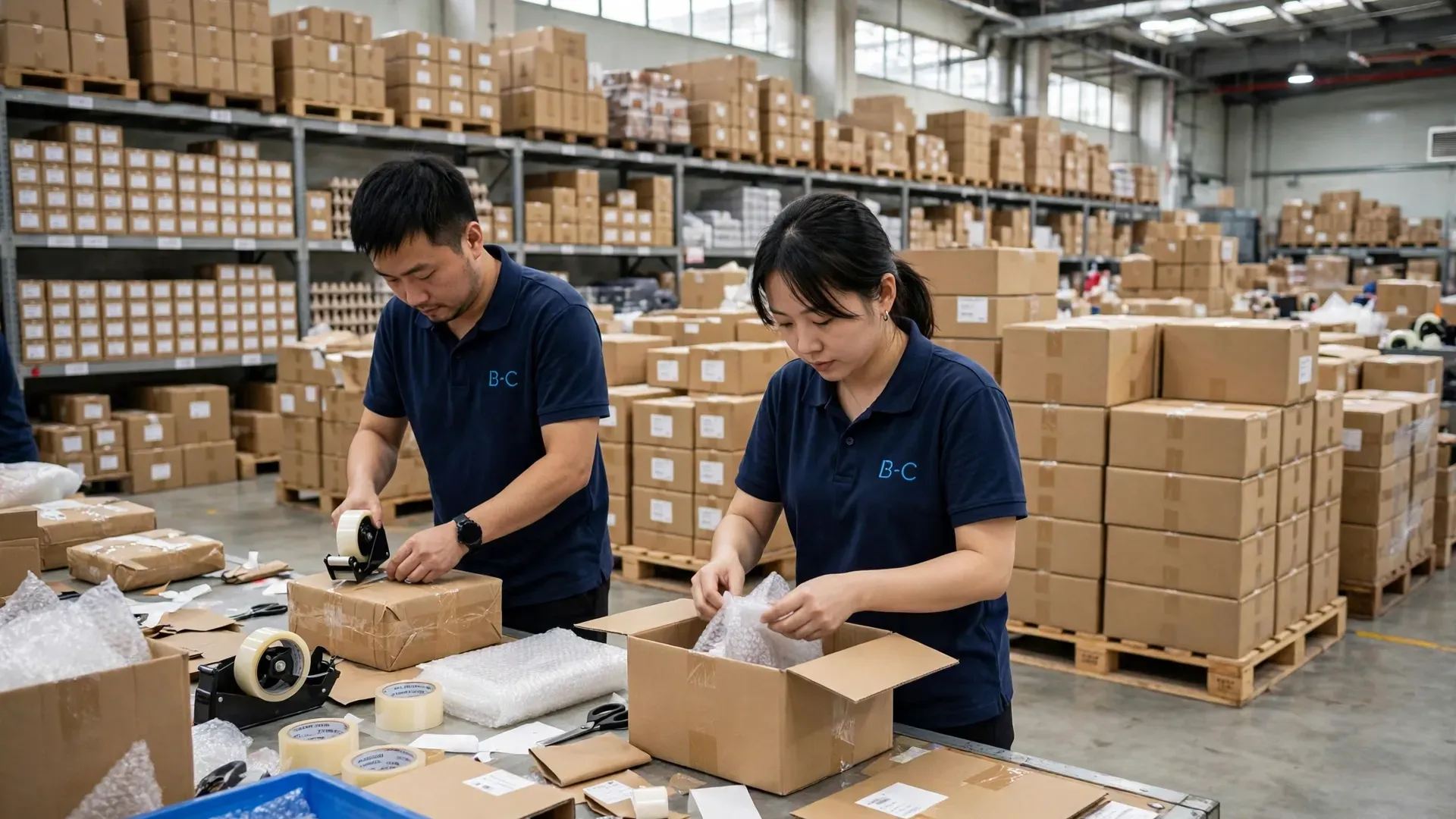
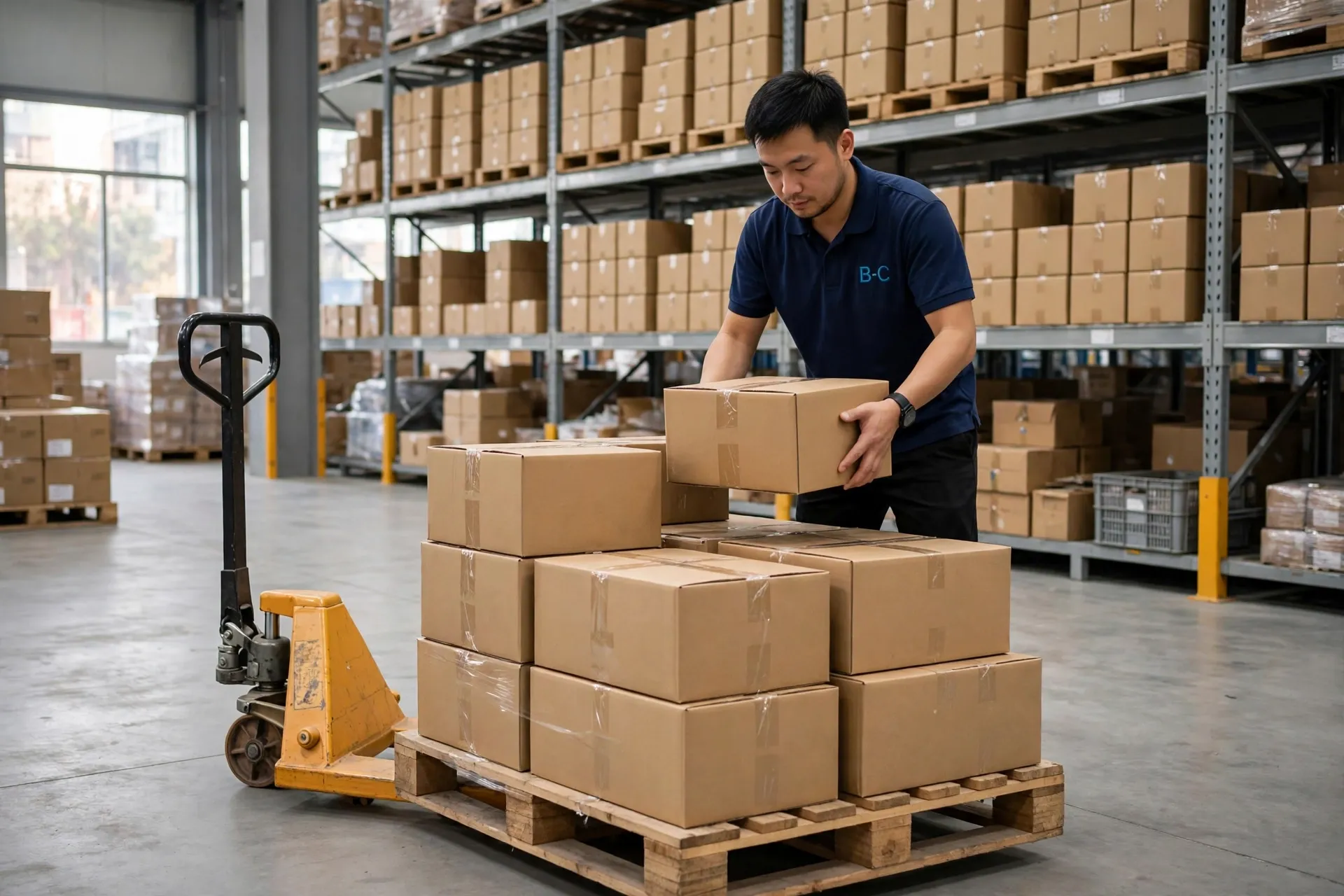
We can run the China side of either route: source and verify the product, inspect every unit before it leaves our Shenzhen warehouse, pack and label it to WFS inbound requirements or to your 3PL's specification, and ship it consolidated to the US warehouse — WFS centre or 3PL — with the paperwork done properly. We can also run the fulfilment itself for sellers who prefer a single partner: receive your stock in Shenzhen, hold it, and ship seller-fulfilled orders to US customers with tracking, or prepare and forward bulk stock to your US warehouse on a schedule that keeps you in stock without overfilling it. And we can tell you honestly which of your SKUs belong in WFS and which belong with a 3PL, because the answer is different for every catalogue.
What we cannot do is make Walmart's standards go away — no partner can. We cannot ship a Walmart order direct from China and have it arrive in two days, and we will not promise a delivery time we cannot meet. We cannot control what happens inside a WFS centre once the stock arrives, and we cannot fix a product-quality problem with better logistics — if the product draws negative feedback, the fix is in the product, not the shipping. And we cannot quote WFS fees for you: Walmart publishes its own fee card, and the right number depends on your item's size, weight and storage time, so any fee figure you rely on should come from Walmart's current published schedule, not from a third party.
The bottom line
WFS and self-fulfilled are not two versions of the same thing. WFS buys delivery performance and the TwoDay badge, and takes the fulfilment metrics off your scorecard — but not the feedback metric, and not at a price that suits every SKU. Self-fulfilled keeps control and costs less per order when it works, but it only works with stock in the United States, daily shipping, valid tracking on 99% of orders, and someone watching the performance dashboard every week. For a seller shipping from China, the practical answer is usually both: proven sellers in WFS, the rest through a US 3PL, new products tested self-fulfilled first — and nothing shipped direct from China to a Walmart customer.
If you are selling on Walmart Marketplace — or thinking about it — and you want the China side handled properly, from inspection to consolidated shipping to your US warehouse, get a fulfilment quote in 24 hours. Send us the products, the volumes and the route you are considering, and we will tell you what it takes to hold Walmart's standards from a China base.
Related: Amazon Remote Fulfillment (NARF): Selling into Canada and Mexico from US FBA Stock — how cross-border fulfilment works once your stock is already in the US; Ship from China or Stock in a US Warehouse? Which Orders Should Go Which Way — the decision framework for when to hold stock overseas; B2C Fulfilment Services from China — warehousing, inspection, packing and shipping from our Shenzhen team.